Global Shipping Emissions Deal Survives US-Led Opposition, Adoption Delayed to 2026
In a dramatic turn at the International Maritime Organization (IMO) meeting in London last week, nations have salvaged the proposed 'net-zero framework' for global shipping emissions, pushing its adoption to December 2026 after intense negotiations. The framework, which aims to cut emissions from international shipping—responsible for over 2% of global greenhouse gases—had been derailed in 2025 by US-led opposition labeled as 'bully-boy tactics.'
'We are back on track, but it was a knife-edge,' said a senior IMO delegate who spoke on condition of anonymity. 'The framework survived because supporters like the EU and Pacific islands refused to let the fossil-fuel lobby dismantle it.'
Background
The IMO's net-zero framework was first agreed in principle in April 2025 at MEPC83, despite the US withdrawing mid-meeting. However, an extraordinary session in October 2025 saw US negotiators accused of 'bully-boy tactics' after they led a push to reject the framework, delaying its formal adoption. Since then, the US, some fossil-fuel producers, and industry groups have demanded the removal of a carbon-pricing mechanism—or outright abandonment.
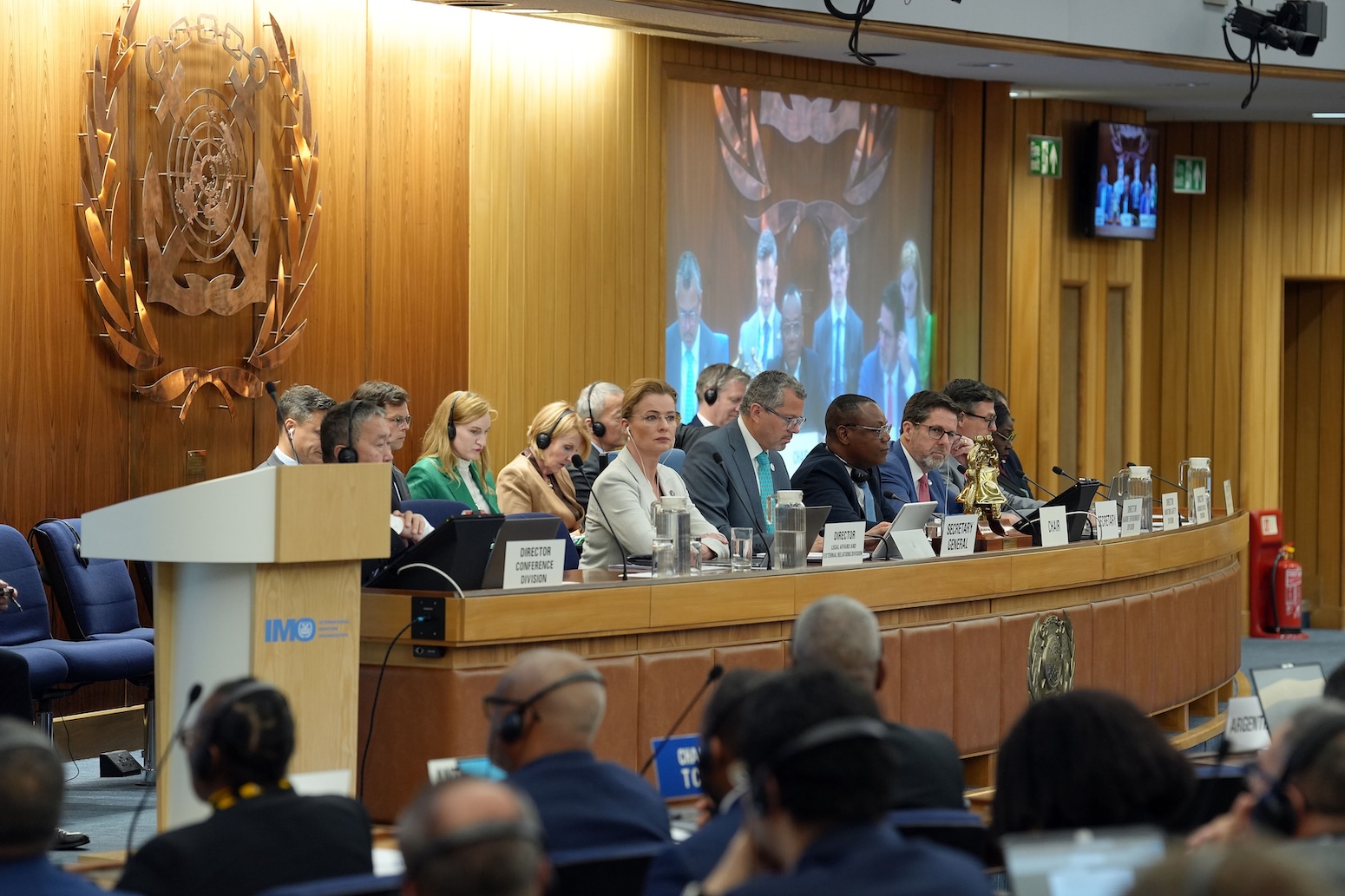
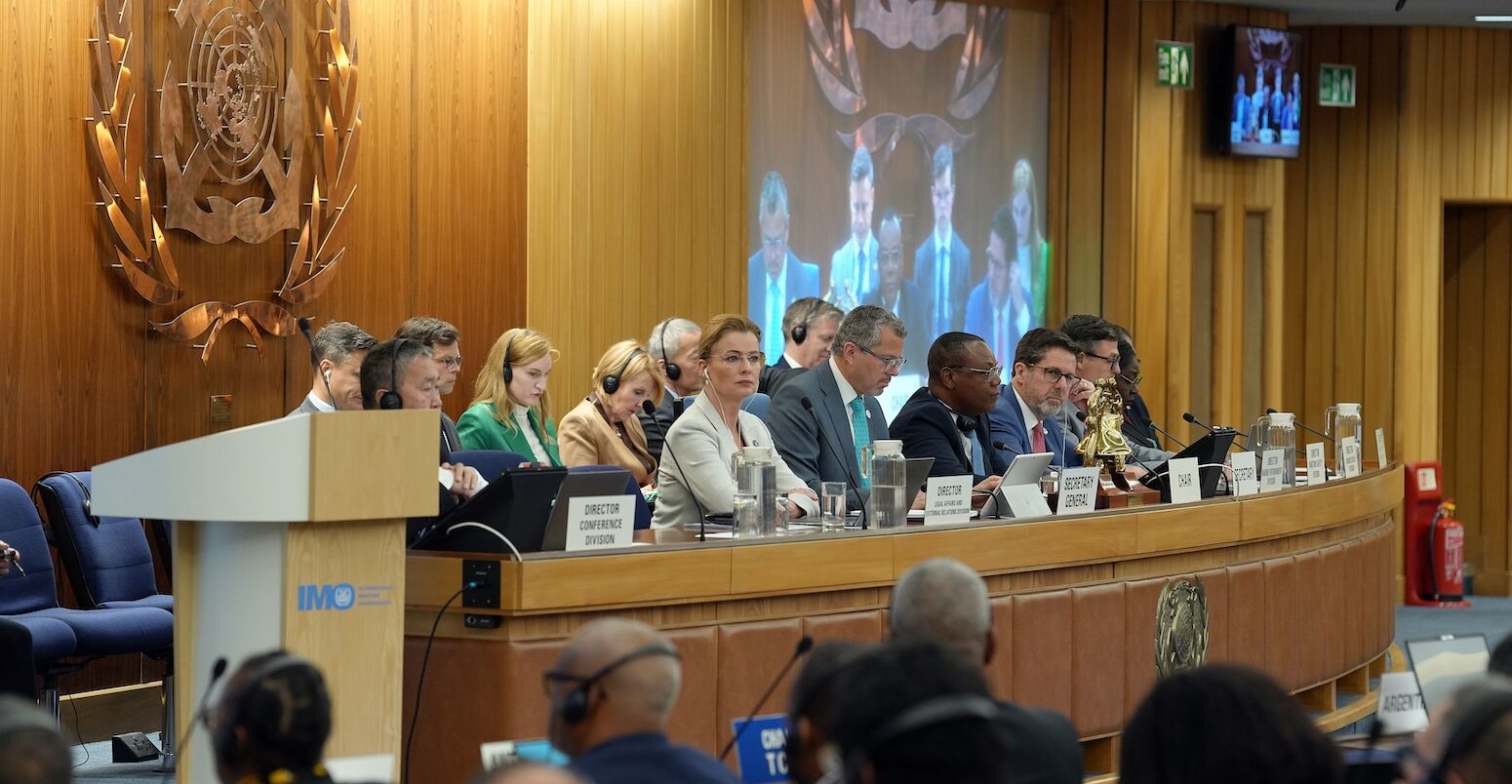
At last week's MEPC84 meeting, opponents—including Liberia, Panama, and Argentina—proposed an alternative that stripped carbon pricing from the framework. Supporters, citing the framework as a 'careful balance,' held firm. Ultimately, the meeting ended with a reconfirmation of commitment to rebuild consensus, targeting December 2026 for adoption.
What This Means
The delay signals ongoing geopolitical friction over climate ambition, but the framework's survival is a critical step for global decarbonization. 'Without a carbon price, shipping would never meet net-zero,' said Dr. Laura M. Steg, a climate policy expert at the London School of Economics. 'The December 2026 deadline gives time for diplomacy, but the US influence remains a wildcard.'
Shipping is not covered by the Paris Agreement, making the IMO framework the only game in town. Industry analysts warn that further delays could undermine investments in cleaner fuels and technologies, risking a missed 2050 target.
For more on the original controversy, see Background and What This Means.
Related Articles
- Turboshaft: Replacing the Sea of Nodes in V8's Compiler
- Flutter Core Team Announces Global Tour for 2026 – Key Events and Developer Engagement
- Navigating Maritime Decarbonization: A Practical Guide to IMO's Net-Zero Framework
- Securing Early Community Funding for a Renewable Energy Zone: A Step-by-Step Guide
- Mid-Week Green Deals Roundup: Ride1Up Prodigy V2 at New Low, Anker SOLIX Flash Sale, Jackery Mother's Day Deals, and More
- Building a Fossil-Free Grid That Survives Transmission Failure: Lessons from Fortescue
- Tesla’s Semi Charging Solutions: Basecharger and Megacharger Explained
- Solar Power Surges Ahead but Faces Hidden Challenges, New 2026 Report Reveals