Travel as Anti-Aging Therapy? New Study Reveals Surprising Biological Benefits
Breaking: Travel May Slow Biological Aging, New Research Suggests
A groundbreaking study published today indicates that positive travel experiences can significantly decelerate the aging process at a cellular level. Researchers from Edith Cowan University in Australia found that tourism activities—such as exploring new environments, engaging in physical movement, and socializing—help maintain the body's natural balance and resilience against entropy, a measure of disorder linked to aging.
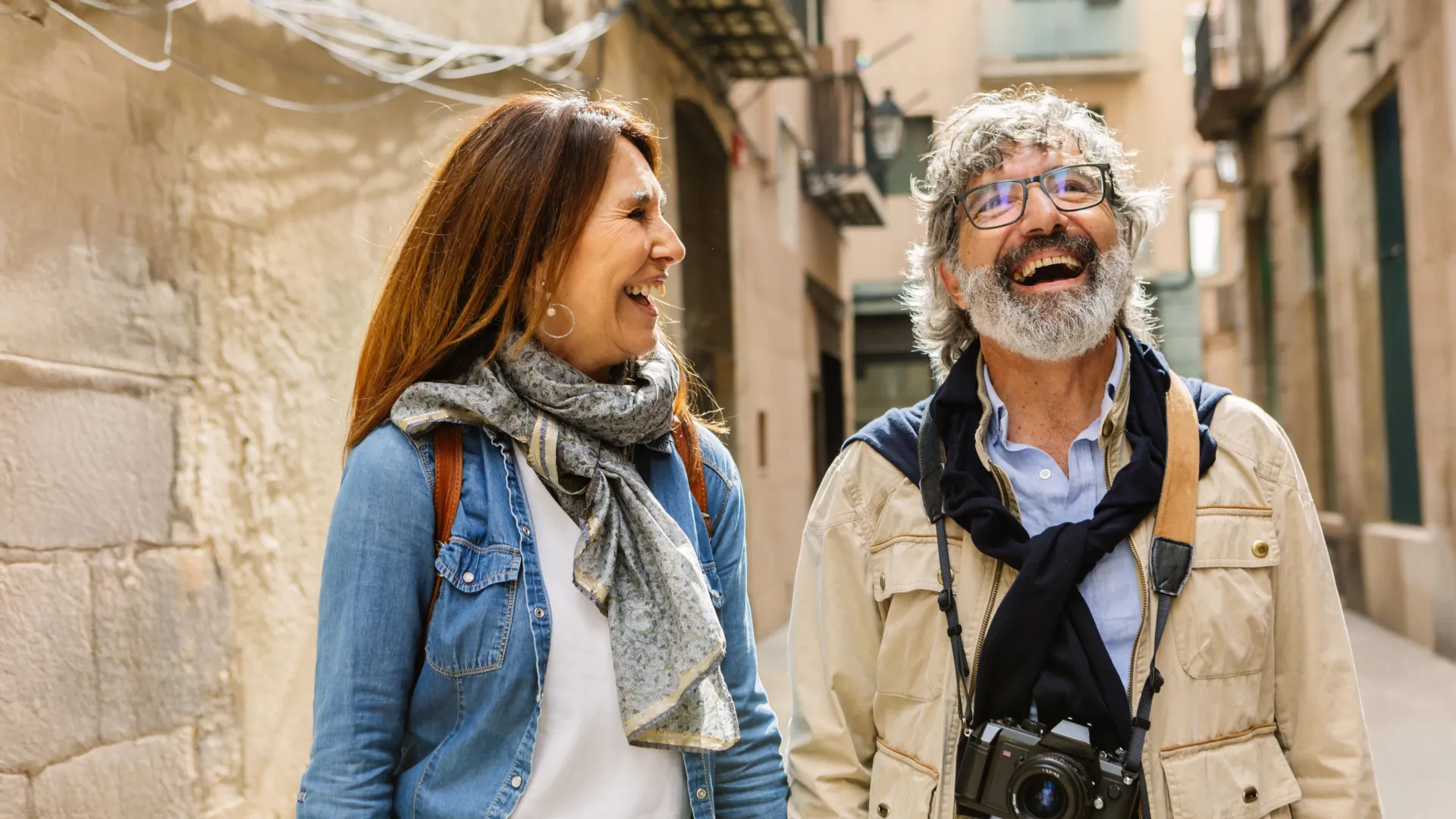
Key finding: Travel that is enjoyable and stress-free could boost immunity, improve metabolism, and enhance recovery from stress. However, the study warns that negative travel experiences—such as unsafe environments or high anxiety—can reverse these anti-aging benefits.
Background
Entropy is a concept from physics that describes increasing disorder in a system. In biology, aging is associated with rising entropy in cells and tissues. The study, led by Dr. Fangli Hu, reveals that certain travel experiences can reduce entropy by promoting positive stimuli—novelty, physical activity, and social connection.
Travel can be a powerful intervention to counteract the effects of aging, but only if the experiences are positive and safe,
said Dr. Hu in a press release. The research combined insights from tourism studies and biogerontology to propose a new framework called travel-induced rejuvenation.
What This Means
This study offers a practical, accessible anti-aging strategy beyond pills or therapies. By carefully planning vacations that minimize stress and maximize engagement—like hiking, cultural immersion, or social activities—people may slow biological aging naturally.
Experts caution that not all travel is beneficial. High-stress trips, such as rushed itineraries or unsafe destinations, can increase cortisol and inflammation, potentially speeding up aging,
warned Dr. Elena Martinez, a gerontologist not involved in the study. The findings suggest that mindful travel choices could become a public health recommendation.
Immediate Implications for Travelers
- Choose destinations that allow for outdoor activity and relaxation.
- Prioritize safety to avoid stress-induced biological damage.
- Engage with locals and try new experiences to stimulate the mind and body.
The research team calls for further studies on the precise mechanisms linking travel to entropy reduction, but the initial evidence is compelling. We are seeing a clear signal that positive travel experiences can slow down the aging clock,
added Dr. Hu.
Reactions from the Scientific Community
Reactions are mixed. Some researchers praise the innovative approach, while others note the need for larger longitudinal studies. This is a fascinating hypothesis that aligns with known benefits of physical activity and social bonding,
commented Dr. James Tanaka, a psychologist specializing in well-being. However, he cautioned that the effect size may vary widely among individuals.
Regardless, the study is already generating buzz in wellness and travel industries. Learn more about the entropy theory or jump to what this means for your next trip.
Related Articles
- A Guide to Witnessing and Capturing the Flower Moon and the Rare Blue Moon
- Unlocking Legacy Apps for AI: Amazon WorkSpaces Adds Agent Desktop Capabilities (Preview)
- Detecting Continental Rifts: A Guide to Identifying New Tectonic Plate Boundaries with Geochemical Evidence
- How to Witness and Photograph the Flower Moon and the Rare Blue Moon in May
- Revolutionizing R&D: Q&A on Microsoft Discovery's Agentic AI Platform
- How Cropin Leverages Sisense to Transform Global Farming with Data-Driven AgTech
- Pinpointing the Culprit: A Guide to Automated Failure Attribution in LLM Multi-Agent Systems
- VECT Ransomware’s Critical Flaw: From Encryption to Accidental Data Destruction