8 Key Insights When Comparing AI Infographic Tools: Claude, NotebookLM, and ChatGPT
AI-powered design tools are transforming how we create visuals, but not all are created equal. When a tech enthusiast pitted three of the most talked-about platforms—Claude Design, NotebookLM, and ChatGPT—against each other to produce the same infographic, the results were eye-opening. Only one tool truly delivered on accuracy, design, and user experience. Whether you're a marketer, educator, or content creator, understanding the strengths and weaknesses of these AI assistants can save you time and frustration. Here's what you need to know before you hand over your next infographic project to an algorithm.
1. Understanding Each Tool's Strengths
Each AI brings a unique flavor to the table. Claude Design, built by Anthropic, focuses on structured visual storytelling with a strong emphasis on data integrity. NotebookLM, Google's experimental tool, excels at synthesizing information from your own documents, making it ideal for research-heavy designs. ChatGPT (with DALL·E integration) offers flexibility and creativity, but often sacrifices precision for flair. Knowing which tool aligns with your core need—data accuracy, customizability, or speed—is the first step to getting a usable infographic.
2. Accuracy of Data Representation
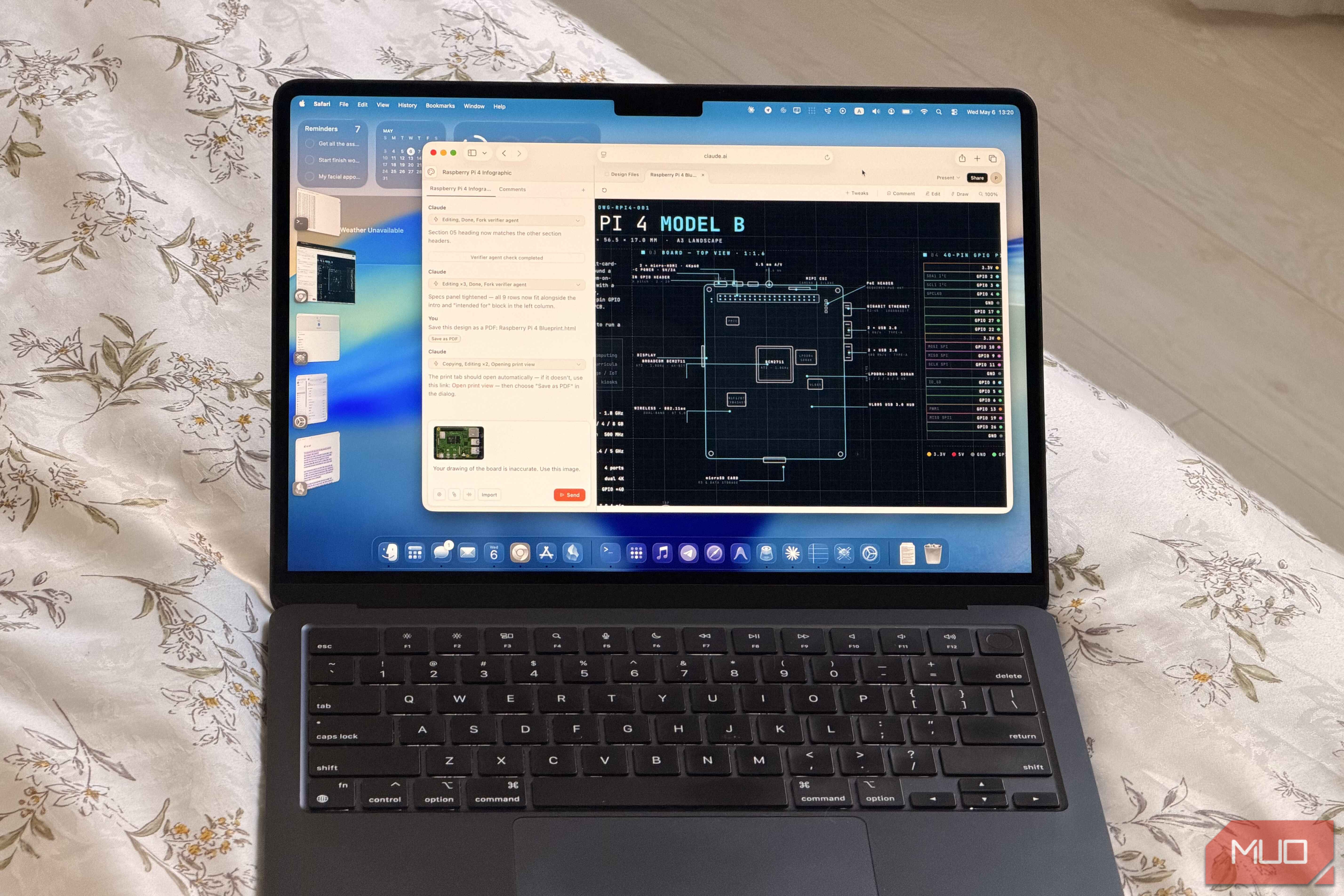
Infographics are only as good as the data they display. In the comparison, only one tool correctly interpreted numerical trends and avoided misleading charts. Claude Design demonstrated superior ability to parse raw numbers and render accurate bar graphs without distortion. NotebookLM sometimes misaligned percentages, while ChatGPT occasionally invented data points to fill aesthetic gaps. Always double-check figures, especially when using AI that prioritizes visual appeal over factual correctness.
3. Design Aesthetics and Layout
Visual appeal matters, but it shouldn't trump clarity. Claude Design produced clean, professional layouts with balanced color palettes and readable fonts—ideal for corporate reports. NotebookLM offered modular templates that felt academic yet bland. ChatGPT's output was more creative, with vibrant colors and dynamic shapes, but at the cost of hierarchy; key information was sometimes buried. The takeaway: define your audience first. A creative campaign may tolerate style over substance, but a technical brief requires strict layout discipline.
4. User Control and Customization
How much tweaking are you willing to do? Claude Design allowed manual adjustments to elements like legends and labels, giving users final say. NotebookLM locked certain design choices behind its document source, making edits cumbersome. ChatGPT offered minimal post-generation options; you had to regenerate the entire graphic to change a single element. If you value fine-grained control—such as moving a text box or resizing an icon—Claude Design emerged as the most flexible option.
5. Learning Curve and Usability
Ease of use can make or break a tool for busy professionals. ChatGPT's natural language interface was intuitive—just type, and it generates. But its results varied wildly. NotebookLM required uploading source documents first, adding an extra step that some might find tedious. Claude Design struck a balance: a straightforward prompt window with clear examples. New users could produce a decent infographic within minutes, though mastering advanced features took a bit of experimentation. Most testers found Claude Design the best compromise between simplicity and capability.
6. Integration with Existing Workflows
No AI lives in a vacuum. ChatGPT integrates with common platforms via APIs and plugins, making it easy to embed in dashboards. NotebookLM works best when you already store notes in Google Drive—it pulls content directly. Claude Design currently has limited third-party integration but offers export options in standard formats like PDF and PNG. For teams that rely on a specific ecosystem (e.g., Google Workspace or Microsoft Office), compatibility could be a deciding factor. The champion in workflow integration depended on the user's existing tech stack.
7. Cost and Accessibility
Budget constraints often dictate tool choice. ChatGPT offers a free tier with limited DALL·E generations, while paid plans unlock higher quality and speed. NotebookLM is free during its experimental phase, but availability is restricted by region and account type. Claude Design is part of Anthropic's paid API, though a limited trial exists. For one-off projects, free tiers might suffice. For recurring needs, the paid subscriptions can quickly add up. The most cost-effective solution? It was the one that got it right the first time—saving you from repeated prompt tweaking and redesigns.
8. Which One Succeeded and Why
After testing all three with an identical design brief, only Claude Design produced an infographic that was both accurate and aesthetically pleasing without needing major corrections. It correctly interpreted the data, placed elements in a logical flow, and allowed effortless adjustments. NotebookLM came close but mishandled a key statistic. ChatGPT produced something beautiful—but factually wrong. The winner wasn't the most hyped tool; it was the one that prioritized substance over style. The lesson: always verify AI-generated visuals, and choose a tool that respects both your data and your design standards.
In a world where AI constantly upends creative workflows, the right tool can turn a good idea into a powerful visual. Claude Design proved that accuracy and design don't have to be trade-offs. But remember—no AI replaces human judgment. Use these insights as a guide, but always review the final output with a critical eye. The best infographic comes from a partnership between smart technology and an informed creator.
Related Articles
- OpenAI Enhances ChatGPT Account Security with Multi-Factor Authentication and Session Controls
- How to Build a Self-Improving AI: A Step-by-Step Guide to MIT's SEAL Framework
- How to Transition from LangChain to Native Agent Architectures for Production AI Systems
- App Store Antitrust Showdown: A Guide to the xAI vs Apple & OpenAI Lawsuit
- Python 3.14.3 and 3.13.12 Roll Out With Critical Bug Fixes, New Features
- 7 Key AI Innovations Coming to Ubuntu in 2026: What Canonical Has Planned
- How to Use Gemini AI in Google Maps on CarPlay: A Step-by-Step Guide
- Google's Gemini Evolves: Proactive Agents, Redesign, and Video AI