SentinelOne Warns: AI-Powered Attacks Require AI-Native Defense at Machine Speed
Breaking: Frontier AI Accelerates Cyber Defense Race
As OpenAI and Anthropic released their latest frontier models, cybersecurity firm SentinelOne issued a stark warning: the future of defense lies in AI-native systems that operate at machine speed. The company, which has long partnered with these labs as well as Google DeepMind, stressed that advanced AI is not just improving attacks—it is forcing a fundamental shift in how security must be built.

“Frontier models are accelerating the shift toward faster, smarter, and more automated security operations. But they are also giving attackers the same advantages of speed and scale,” said a SentinelOne spokesperson.
Progress in this race matters, but it is only one part of the broader security picture.
The announcement reinforces a core belief at SentinelOne: that AI-native defense, built from the ground up with behavioral AI and autonomous response, is the only way to counter modern threats. The company demonstrated this with recent incidents involving supply chain attacks like LiteLLM, Axios, and CPU-Z, where unpatched zero‑day vulnerabilities were defeated only by autonomous, machine‑speed response.
Background
SentinelOne has collaborated with frontier AI labs for years, gaining insight into how advanced models evolve and where they create genuine security impact. Many of those capabilities—including behavioral analysis, automated triage, and real‑time threat prioritization—are already embedded in the company's platform, protecting endpoints, cloud, identity, data, networks, and AI attack surfaces.
Yet frontier AI also brings a double‑edged sword: it helps defenders identify vulnerabilities at scale, but it also lets attackers find novel exploits faster than ever. The net effect, according to SentinelOne, is that the race between offense and defense is tightening—but raw vulnerability counts don't translate directly to real‑world risk.
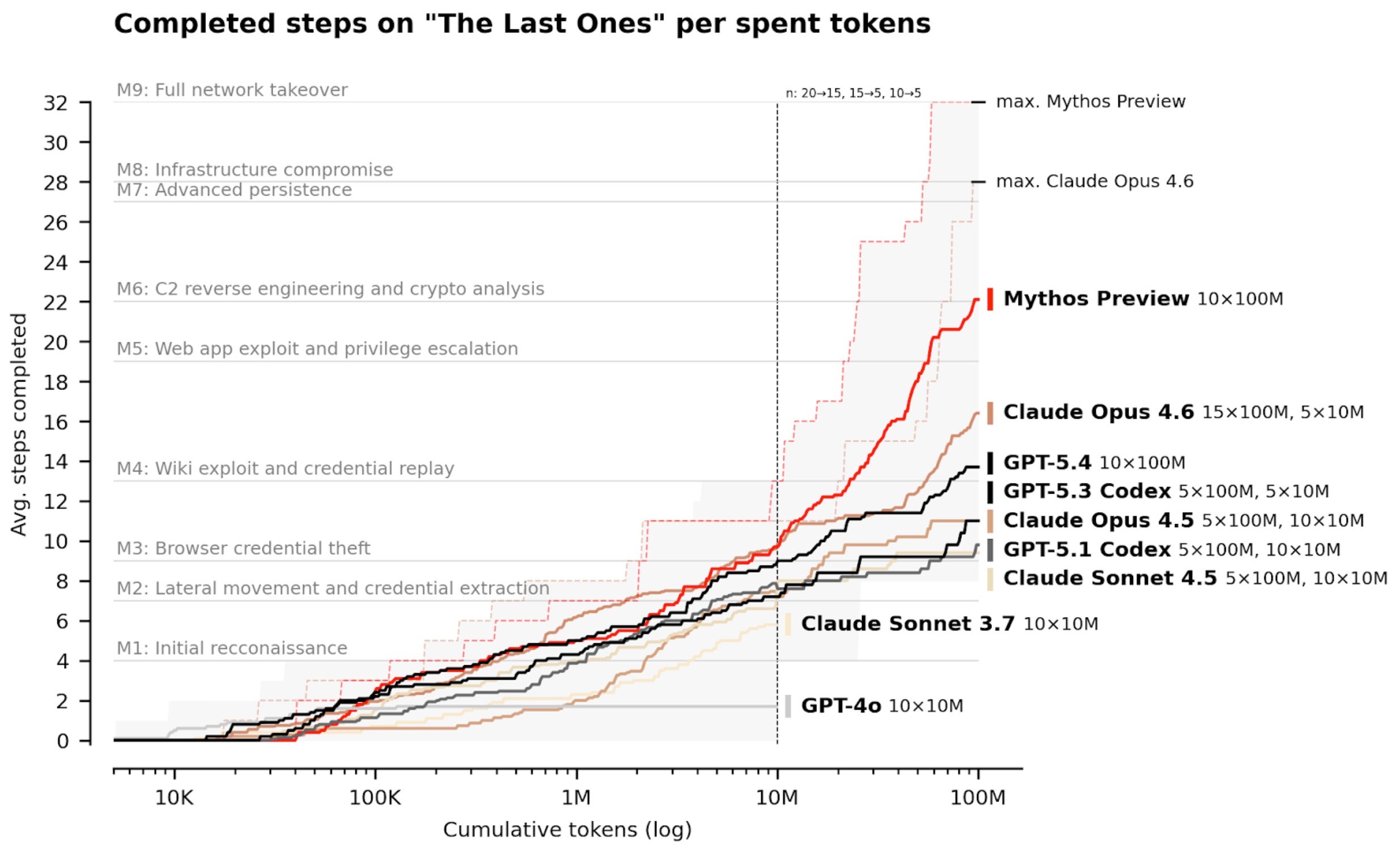
“Many vulnerabilities are not meaningfully exploitable in live environments, and many are already reduced by architectural controls and runtime protections,” the spokesperson added.
The gap between theoretical exposure and operational risk is often substantial.
What This Means
For organizations, the key takeaway is that relying on static defenses or manual patching is no longer sufficient. As AI‑driven attacks become more sophisticated, defenders must match that speed with autonomous, behavioral AI that can detect and stop zero‑day exploits in real time.
SentinelOne’s approach—built from day one on machine‑speed behavioral AI—offers a blueprint. The company provided two concrete examples: recent supply chain attacks (LiteLLM, Axios, CPU‑Z) were stopped only by autonomous response at machine speed, because no patch existed for the zero‑day vulnerabilities exploited. This demonstrates that the future of cyber defense will be shaped by those who embrace AI natively, not as an add‑on.
As SentinelOne continues to expand its ongoing efforts with frontier labs, the message is clear: the era of human‑reaction‑time security is ending. The only way to survive the AI era is to fight AI with AI.
This is a breaking news update. For more details, visit SentinelOne’s official website.
Related Articles
- Iranian Hackers Exploit Microsoft Teams in False Flag Credential Theft Campaign
- Exploring 3D-Printed Pinhole Cameras: From Simple Rite of Passage to Dual-Lens Wigglegram Machine
- 6 Steps to Zero-Friction Container Security with Docker and Black Duck
- Safeguarding AI Agents: A Step-by-Step Guide to Preventing Identity Theft
- The Red Teamer's Blueprint: How to Stress-Test AI Guardrails via Jailbreaking and Poisoning
- 6 Critical Defenses When AI Supercharges Vulnerability Discovery and Exploitation
- Shielding Your Software Supply Chain: Lessons from the Mini Shai-Hulud Compromise of Lightning and Intercom Packages
- Chrome’s Gemini Nano Prompt API Launches Into Public Spotlight – On-Device AI Now a Single Call Away