Motherboard Market Meltdown: 6 Key Reasons Sales Are Plummeting
In a surprising turn of events, the motherboard industry is experiencing a sharp downturn. The combined sales of the four largest manufacturers—Asus, Gigabyte, MSI, and ASRock—are projected to fall by at least 28% in 2026, translating to a staggering 11.7 million fewer units sold. This decline is largely driven by chipmakers reallocating resources to produce AI chips, squeezing the enthusiast PC market. Below, we break down the six critical factors behind this collapse, offering insights for PC builders and industry watchers alike.
1. The Staggering Sales Decline Numbers
According to recent industry forecasts, the global motherboard market is heading toward a major contraction. The four leading brands are expected to sell 11.7 million fewer boards in 2026 compared to previous projections. That’s a 28% drop in combined sales—a figure that underscores the severity of the current climate. This decline isn’t just a blip; it reflects a structural shift in how PC components are produced and priced. For context, such a drop hasn’t been seen since the early 2000s recession. The numbers alone paint a bleak picture for motherboard makers, who rely on consistent demand from gamers, enthusiasts, and workstation builders. As highlighted in Item 4, the root cause lies in changing chipmaker priorities.
2. Asus Faces the Brunt With 5 Million Fewer Boards
Asus, traditionally the market leader in motherboards, is projected to lose a whopping 5 million units in sales by 2025 alone. This represents a significant chunk of its annual output, forcing the company to reconsider its production strategies. Asus’s ROG and TUF series have long been favorites among gamers, but rising component costs and reduced demand are dragging down numbers. The company’s heavy reliance on the enthusiast segment makes it especially vulnerable. As we explore in Item 5, these cost increases ripple through the entire PC ecosystem. Asus isn’t alone—its competitors are also bracing for impact.
3. Gigabyte, MSI, and ASRock Also See Declining Numbers
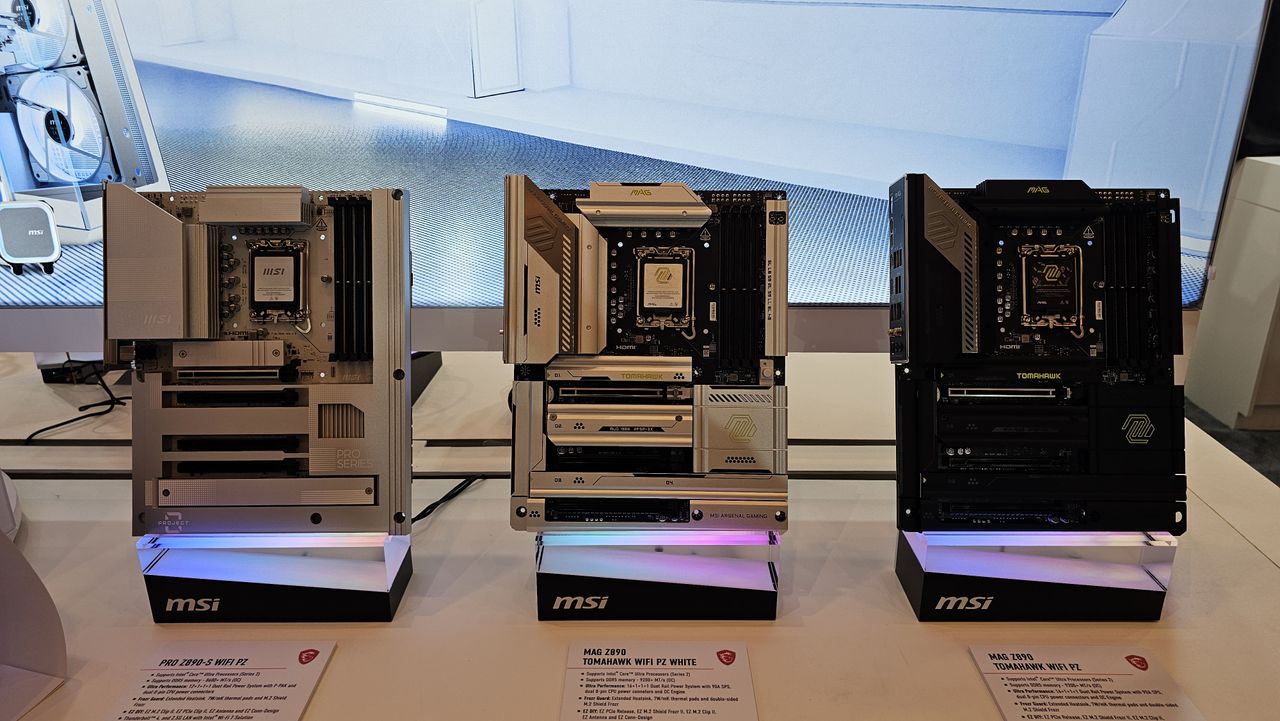
Asus’s pain is shared across the industry. Gigabyte, known for its durable Aorus line, expects a drop of around 3.5 million units. MSI, with its popular Gaming series, faces a similar decline, while budget-friendly ASRock could see 2 million fewer boards sold. Together, these three brands account for a large portion of the market, and their combined losses exacerbate the overall trend. The common thread? Rising costs for CPUs and GPUs, which discourage PC builders from upgrading their motherboards. For a deeper look at market dynamics, see Item 6. This isn’t just a temporary slump—it reflects a long-term shift in consumer behavior.
4. Chipmakers Strangle the Enthusiast PC Market to Feed AI Demand
The primary driver of this collapse is the strategic pivot by chipmakers like Intel, AMD, and NVIDIA toward AI computing. These companies are diverting wafer capacity and R&D resources away from consumer chips toward high-margin AI accelerators. The result: higher prices and limited availability for enthusiast-grade CPUs and GPUs. As AI demand booms, the PC market gets squeezed—motherboards, once a routine upgrade, become a luxury. This shift is not accidental; it’s a deliberate choice to maximize profitability. As noted in Item 1, the sales numbers reflect this new reality. Enthusiasts now face a hard choice: pay more or wait longer.
5. Rising PC Component Costs Put Pressure on Builders
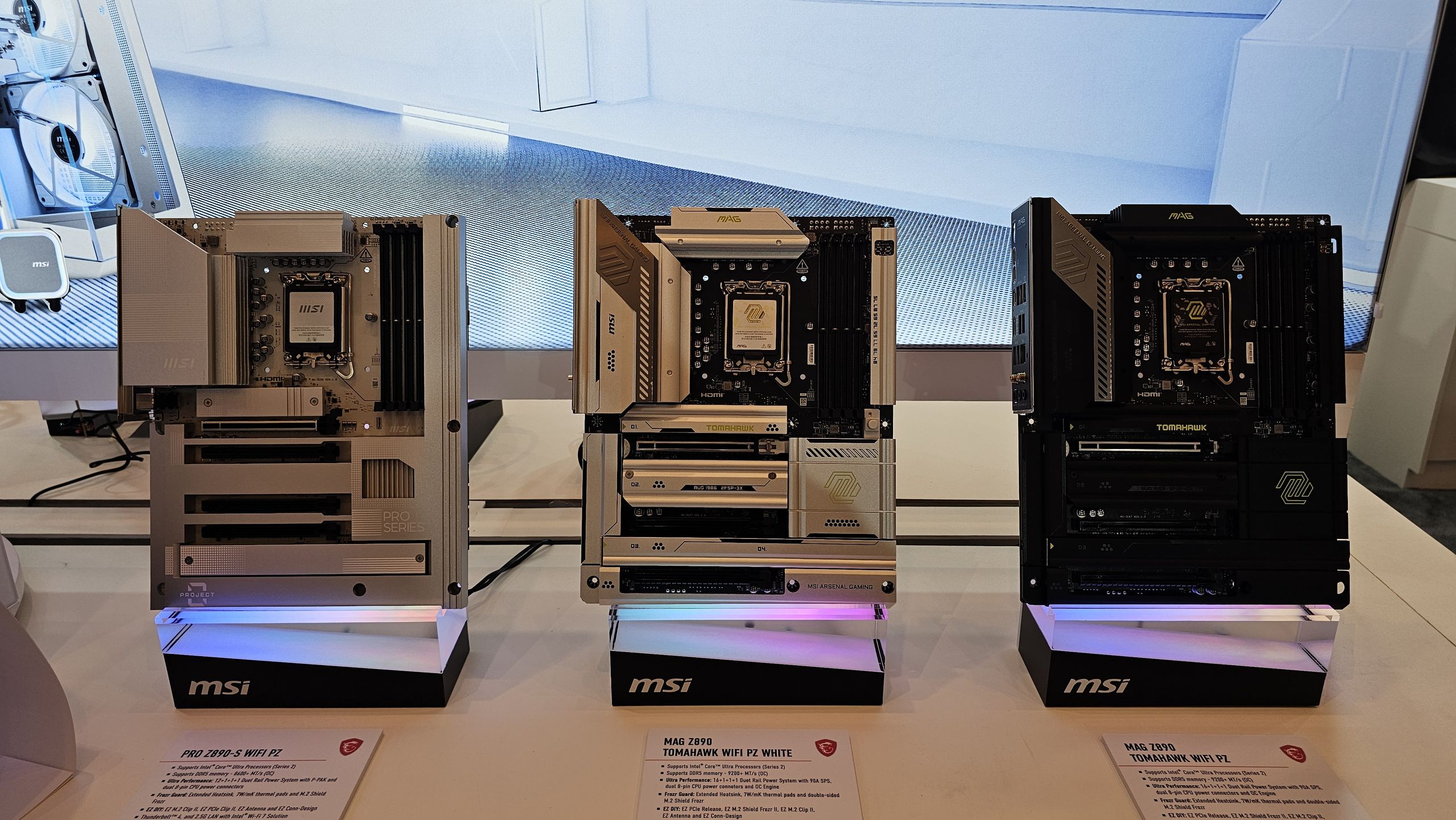
Beyond chip allocation, overall component costs are climbing. DDR5 RAM, PCIe 5.0 SSDs, and higher-end power supplies have all seen price hikes. A typical mid-range motherboard now costs 20-30% more than two years ago, while CPUs have jumped even more. This cost inflation forces many builders to delay or scale back their projects. Consequently, motherboard sales suffer as people stick with older systems. The trend is self-reinforcing: lower sales lead to higher per-unit costs, which further dampen demand. For insights on how this affects flagship brands, revisit Item 2. The economic pressure is reshaping the entire DIY PC landscape.
6. What This Means for PC Builders and Gamers
For the average enthusiast, the future looks challenging. Motherboard prices are unlikely to drop soon, and availability of budget-friendly options may shrink. Gamers may need to extend upgrade cycles or consider used parts. On the bright side, the decline could spur innovation—manufacturers might bundle more features to justify higher prices. Alternatively, we could see a shift toward smaller form factors or alternative platforms like ARM-based systems. The industry is at a crossroads, and only time will tell how it adapts. Refer to Item 3 for how major brands are responding. For now, plan your builds carefully and prioritize long-term value.
In conclusion, the motherboard market is undergoing a dramatic transformation driven by AI's hunger for silicon. With sales plummeting across all major brands, PC builders face higher costs and fewer choices. While this slump is painful, it may accelerate changes in how we think about desktop computing—from modular designs to cloud gaming. Stay informed, compare prices, and consider building smart rather than rushing. The golden age of affordable PC hardware may be fading, but new opportunities lie ahead.
Related Articles
- How to Understand and Navigate the Ongoing Mac Supply Shortage
- Updating Your Rust GPU Compilation for NVIDIA's New Baseline: A Step-by-Step Guide
- Building Trust for Autonomous AI: How SPIFFE Creates Secure Identities for Non-Human Agents
- From Photons to Foundries: A Practical Guide to Semiconductor Lithography Machines, Markets, and Startup Opportunities
- How the FPGA Revolutionized Hardware Flexibility: A Guide to Reconfigurable Computing
- Exploiting Rowhammer on Nvidia GPUs: A Step-by-Step Attack Methodology
- Mastering Frame Generation: A Gamer's Guide to What It Really Does (and Doesn't Do)
- Decoding AMD's GFX12.1: New Open-Source Driver Activity Hints at Next-Gen GPU Plans