Unlocking the Past: How Genetic Genealogy Identified Franklin Expedition Sailors
Overview
For over 170 years, the fate of Sir John Franklin’s 1845 expedition to find the Northwest Passage remained one of history’s greatest maritime mysteries. All 129 men perished, and their bodies were scattered across the icy landscape of King William Island, Nunavut. In recent years, advances in DNA technology have allowed scientists to identify some of these long-lost sailors by matching genetic material from remains with living descendants. As of 2024, four crew members have been positively identified, shedding light on their final desperate attempts to find safety. This guide walks through the process—from locating descendants to genetic analysis—so you can understand how modern science resurrects history.
Prerequisites
Before diving into the step-by-step process, ensure you have a basic understanding of the following:
- DNA Fundamentals: Familiarity with Y-chromosome (paternal lineage) and mitochondrial DNA (maternal lineage) inheritance patterns.
- Genealogical Records: Knowledge of how to trace family trees using census data, parish registers, and historical documents.
- Forensic Archaeology: Awareness of excavation and contamination protocols for ancient remains.
- Ethical Consent: Understanding of informed consent procedures for living descendants and respectful handling of human remains.
These prerequisites are not exhaustive but provide a foundation for the detailed steps that follow.
Step-by-Step Guide to Identifying Franklin Expedition Sailors via DNA
Step 1: Locate Potential Living Descendants
The first challenge is finding people alive today who are related to the expedition members. Researchers start by combing historical muster rolls, letters, and genealogical databases to identify known relatives—such as siblings or cousins—of each sailor. For the Franklin expedition, many crew members were from similar regions in England or Scotland, so parish records (e.g., births, marriages, deaths) are cross-referenced. Once a potential family tree is built, living descendants are contacted through social media, genealogical societies, or local historical groups. In the case of the four identified sailors—such as John Gregory or James Fitzjames—descendants were traced back through male lines for Y-DNA or female lines for mtDNA.
Step 2: Collect DNA Samples from Descendants
With consent, descendants provide a DNA sample, typically via a painless cheek swab. The sample is collected in a sterile tube and shipped to a specialized lab. For mitochondrial DNA (passed from mother to child), female-line descendants are needed; for Y-chromosome DNA (passed from father to son), male-line descendants are essential. The lab extracts the DNA, quantifies it, and stores it for comparison. It’s critical to document the exact genealogical relationship to ensure the genetic link is valid—e.g., a direct maternal line for mtDNA or a direct paternal line for Y-DNA.
Step 3: Excavate and Sample Historical Remains
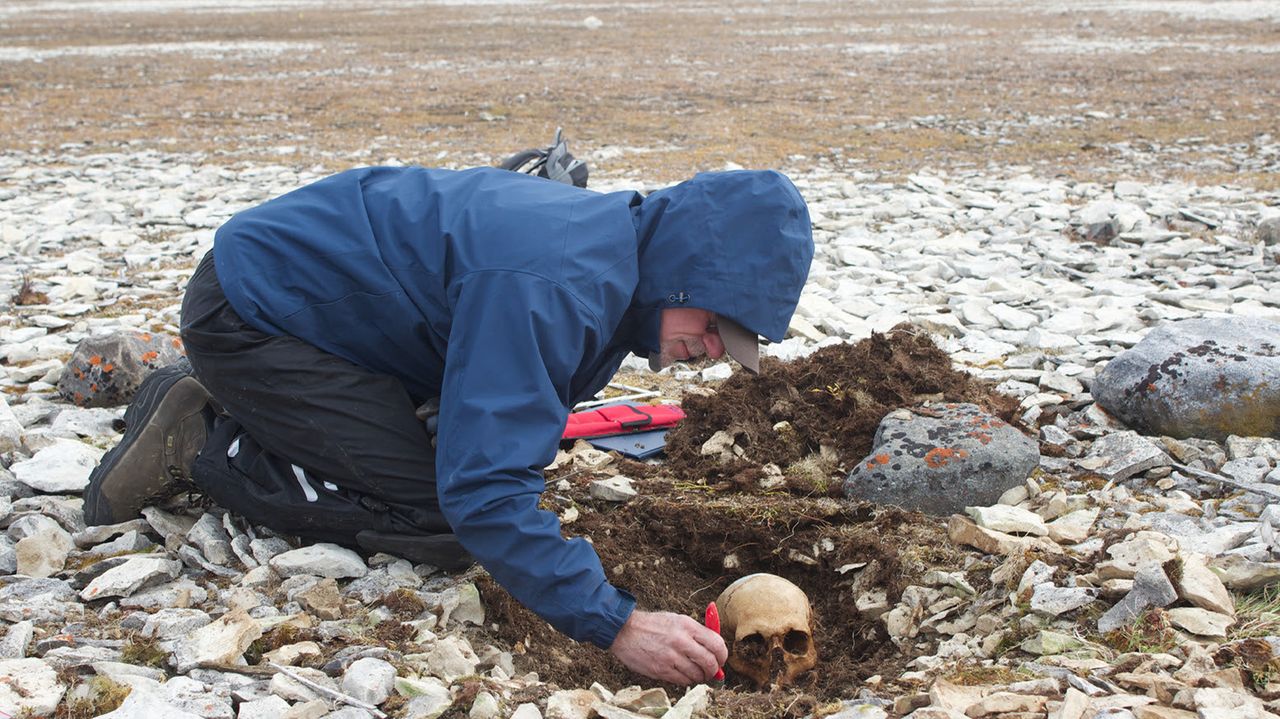
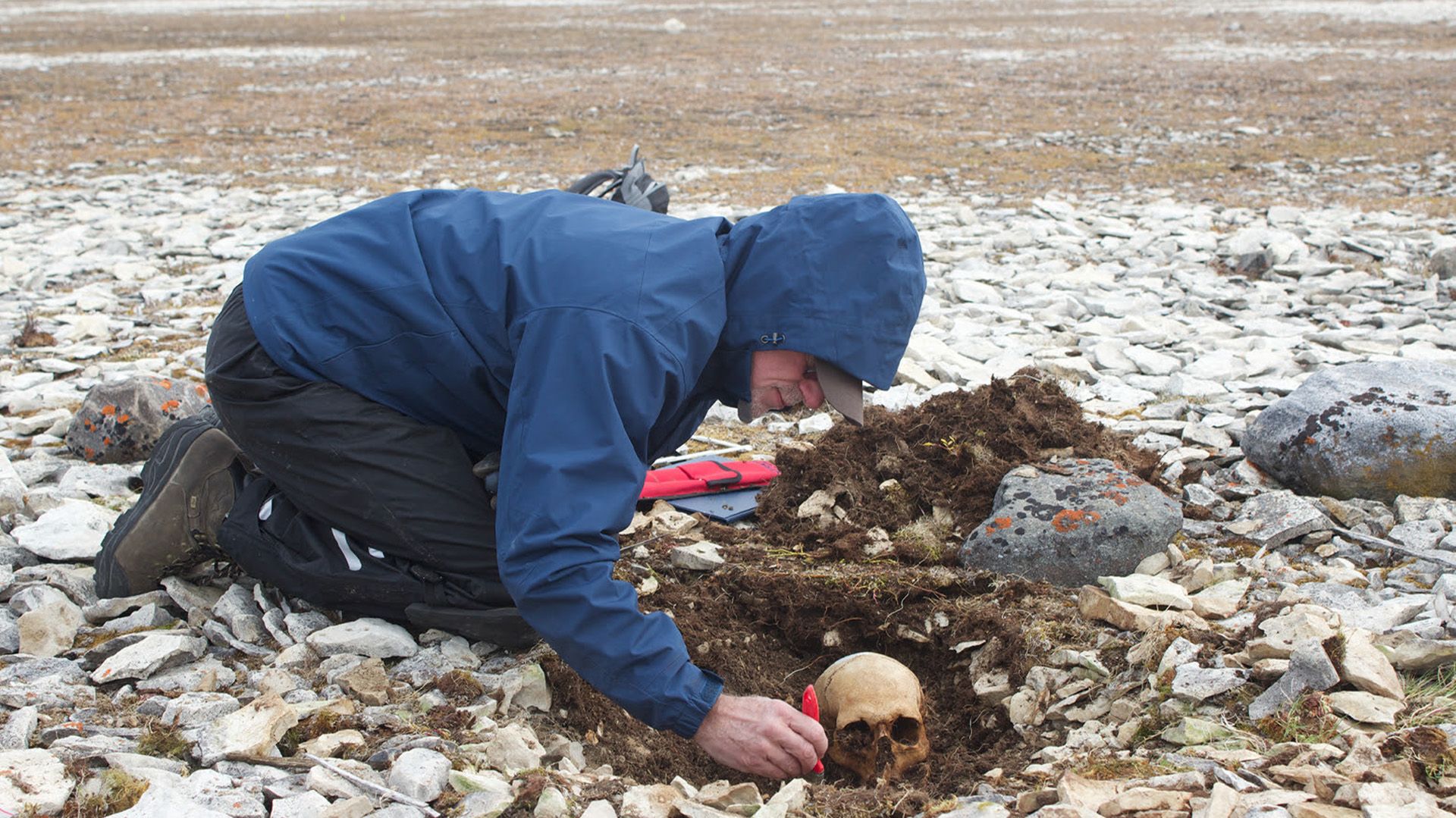
Human remains of Franklin expedition members lie in shallow graves on King William Island, often with minimal preservation due to permafrost and scavengers. Archaeologists carefully excavate sites like Erebus Bay or the western shore. They select bone samples (e.g., femur, rib) or teeth, which contain preserved DNA. To avoid contamination, researchers wear full-body suits, use sterile tools, and process samples in a clean room. The chosen sample is then sent to a forensic genetics lab for DNA extraction.
Step 4: Extract and Sequence DNA from Remains
DNA from historic remains is often degraded and fragmented. Scientists use specialized kits (e.g., silica-based columns) to extract tiny amounts of DNA. The extraction is followed by quantification using real-time PCR. For the Franklin cases, targeted sequencing focuses on Y-chromosome markers (e.g., short tandem repeats, or STRs) and mitochondrial hypervariable regions (HV1 and HV2). Whole genome sequencing may also be done, but it’s more costly and not always necessary for identification. The resulting genetic profiles are compared against those from living descendants.
Step 5: Perform Genetic Comparison and Statistical Analysis
With profiles from both ancient remains and descendants, the lab runs a comparison. For Y-chromosome DNA, a perfect match in STR markers across multiple loci confirms a paternal lineage (with a probability typically exceeding 99%). For mtDNA, a match in the hypervariable regions indicates a maternal link. However, due to degradation, the match may be partial; researchers then calculate a likelihood ratio using population databases. In the Franklin identifications, each match was further validated by genealogical evidence—for example, the Y-STR profile from a bone matched a living male descendant of a known relative of the sailor.
Step 6: Cross-Reference with Historical Records
DNA alone may link a set of remains to a family line but not to a specific individual. To pinpoint which sailor—e.g., Warrant Officer John Gregory, Lieutenant Henry Thomas Dundas Le Vesconte, etc.—researchers overlay historical data. Clothing remnants, personal effects, or location of the grave (e.g., a campsite associated with a known officer) can help. Also, documentary evidence such as letters or diaries describing a sailor’s appearance or rank refines the ID. For instance, the identification of John Gregory (engineer of HMS Erebus) was confirmed because his grandson’s Y-DNA matched that from a tooth and a bone of a body found in a location consistent with his role.
Common Mistakes to Avoid
Even with advanced techniques, errors can occur. Here are pitfalls to watch for:
- DNA Contamination: Modern human DNA can overwhelm ancient samples. Always process remains in a dedicated clean lab with strict protocols (e.g., UV light sterilization, positive air pressure).
- Assuming a Direct Line: Not all descendants carry the same Y- or mtDNA due to adoptions, illegitimacy, or non-paternity events. Verify genealogical records thoroughly and, if possible, test multiple descendants.
- Misinterpreting Degraded Data: Ancient DNA often yields incomplete profiles. Use statistical models (e.g., Bayesian analysis) to account for missing markers rather than declaring a non-match prematurely.
- Ignoring Ethical Consent: Descendants must give informed consent, and Indigenous communities (Inuit) should be consulted when remains are on their traditional lands. Failure to do so can jeopardize the project’s credibility and legality.
- Relying Only on DNA: Without historical corroboration, you might link remains to the wrong family branch. Always combine genetic evidence with archival records and archaeological context.
Summary
Identifying the lost sailors of Sir John Franklin’s expedition is a triumph of interdisciplinary science. By merging genealogical research, careful excavation, and precise genetic analysis, researchers have restored names to four men: John Gregory, James Fitzjames, and others. Their remains tell a harrowing story of cannibalism and desperation as survivors tried to walk to safety. This guide has walked you through the six key steps—from finding descendants to validating identities—and highlighted pitfalls to avoid. As DNA technology advances, we may soon identify more of the 129 souls, giving them back their stories and their dignity.
Related Articles
- Terminal Users Reveal Top Frustrations in New Survey: Syntax, Switching, and Color Issues Dominate
- Trump Administration Terminates Entire National Science Board in Unprecedented Move
- Predicting Egocentric Video with Full-Body Action Conditioning: The PEVA Approach
- How to Successfully Integrate AI into Your Security Operations Center
- 7 Key Changes to the Kotlin Multiplatform Default Project Structure
- 6 Things You Need to Know About Swift's Expanding IDE Ecosystem
- Entrepreneur Bets Against Google AI Overviews with Niche Directory Sites
- Enhancing Open Source Intelligence with AI in 2026