Flight Research at NASA Armstrong: 10 Key Developments and Capabilities
By
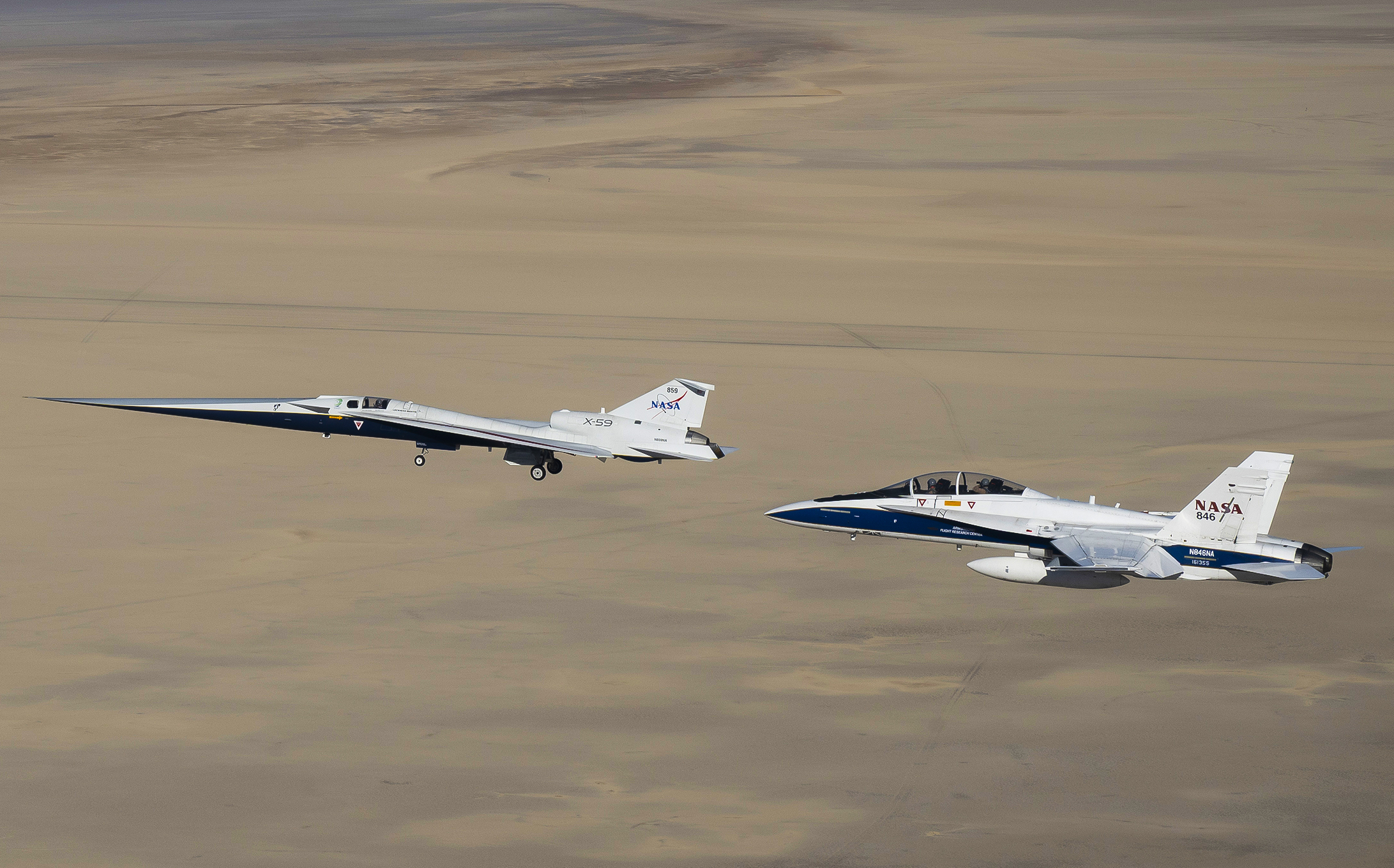
Welcome to the heart of experimental aviation: NASA’s Armstrong Flight Research Center in California’s Mojave Desert. For nearly eight decades, this facility has been at the forefront of aerospace innovation, carrying forward the legacy of pioneers like Neil Armstrong. Today, Armstrong is expanding its fleet with new aircraft—from supersonic jets to versatile turboprops—while continuing to support critical airborne science and aeronautics test missions. The center’s unique blend of skilled personnel, state-of-the-art infrastructure, and a storied past makes it a vital hub for global research. Dive into these 10 essential facts to understand how Armstrong is shaping the future of flight.

Related Articles
- New: Decapitated Asteroid Theory Points to Lunar South Pole as Key to Moon's Violent Past
- Anthropic Strikes Surprise SpaceX Deal, Doubles Claude Code Access for Subscribers
- Unveiling PhantomRPC: A New Windows RPC Flaw Enabling Privilege Escalation
- How Climate Scientists Predict Record-Breaking Heat Years: A Guide to Understanding El Niño and Temperature Forecasting
- How NASA Plans to Test Lunar Landers in Earth Orbit: The Artemis III Blueprint
- How to Deploy an Ultrathin, Stretchy Radiation Shield for Future Spacecraft
- China Tightens Grip on Fossil Fuels Amid Record Rainfall
- DAMPE Mission Reveals Universal Energy Break in Cosmic Rays at 15 TeV