Self-Hosters Rejoice: New Dashboard Eliminates the Pain of Remembering IP Addresses and Ports
Breaking News
A powerful new dashboard tool is transforming the way home lab enthusiasts manage their self-hosted services, replacing the chaotic jumble of sticky notes and mental memory with a clean, organized interface. The innovation addresses a common frustration: forgetting where services live on the network.
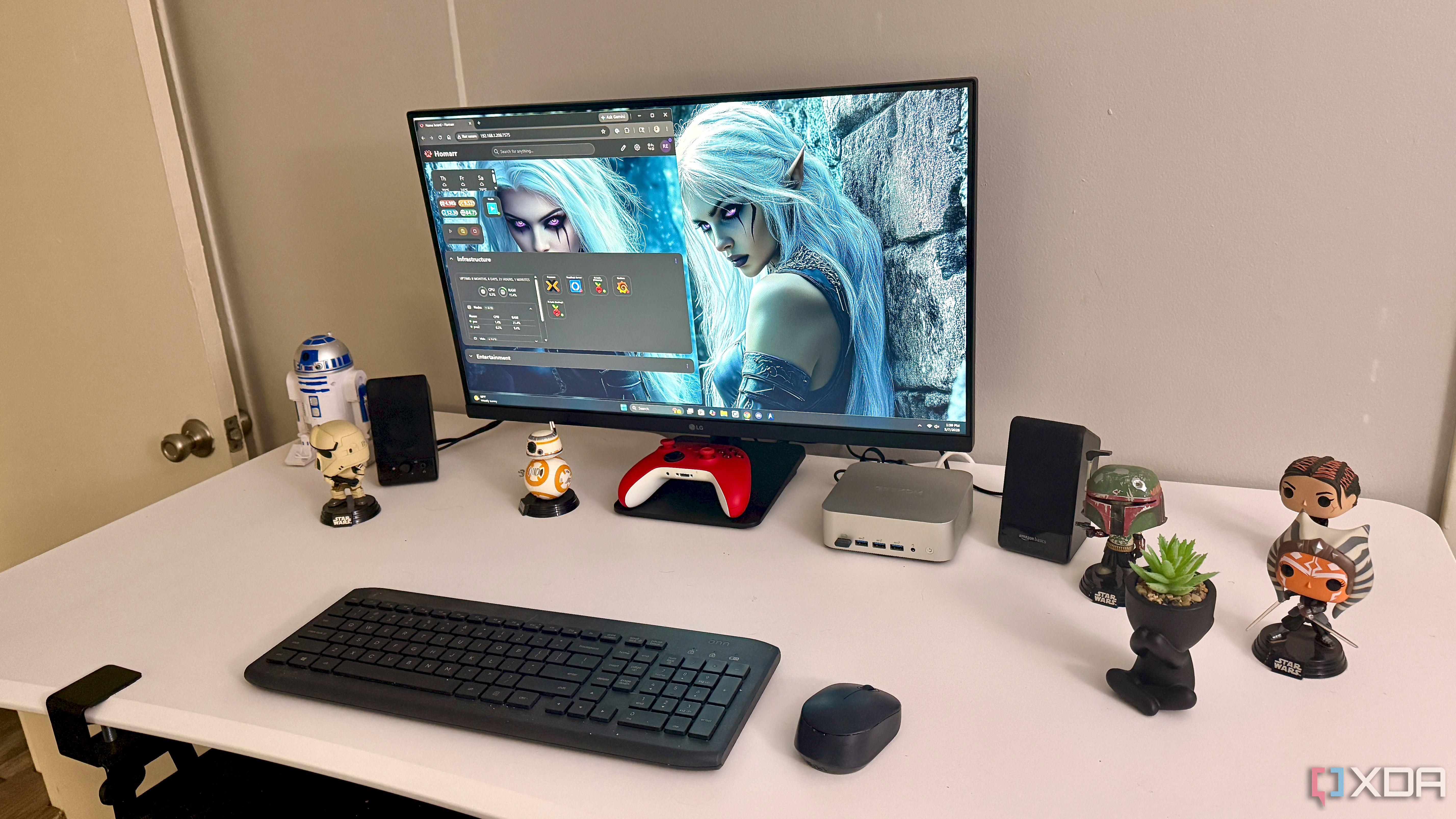
"This dashboard is a game-changer," says Dr. Emily Torres, a systems architect and frequent home lab user. "It eliminates the mental overhead of tracking IP addresses and port numbers, which was the single biggest barrier to scaling my setup."
Background
Home lab operators have long relied on a scattered system of notes, spreadsheets, and sheer memory to locate their self-hosted applications. A typical scenario involves knowing a service is running and configured correctly, but failing to recall the exact IP or port needed to access it.
This disorganization often leads to wasted time and frustration, especially as labs grow beyond a few services. The new dashboard centralizes all connection details, presenting them in a single, searchable view.
What This Means
For the home lab community, this development signals a shift toward more user-friendly management tools. It means less time hunting for credentials and more time actually using the services.
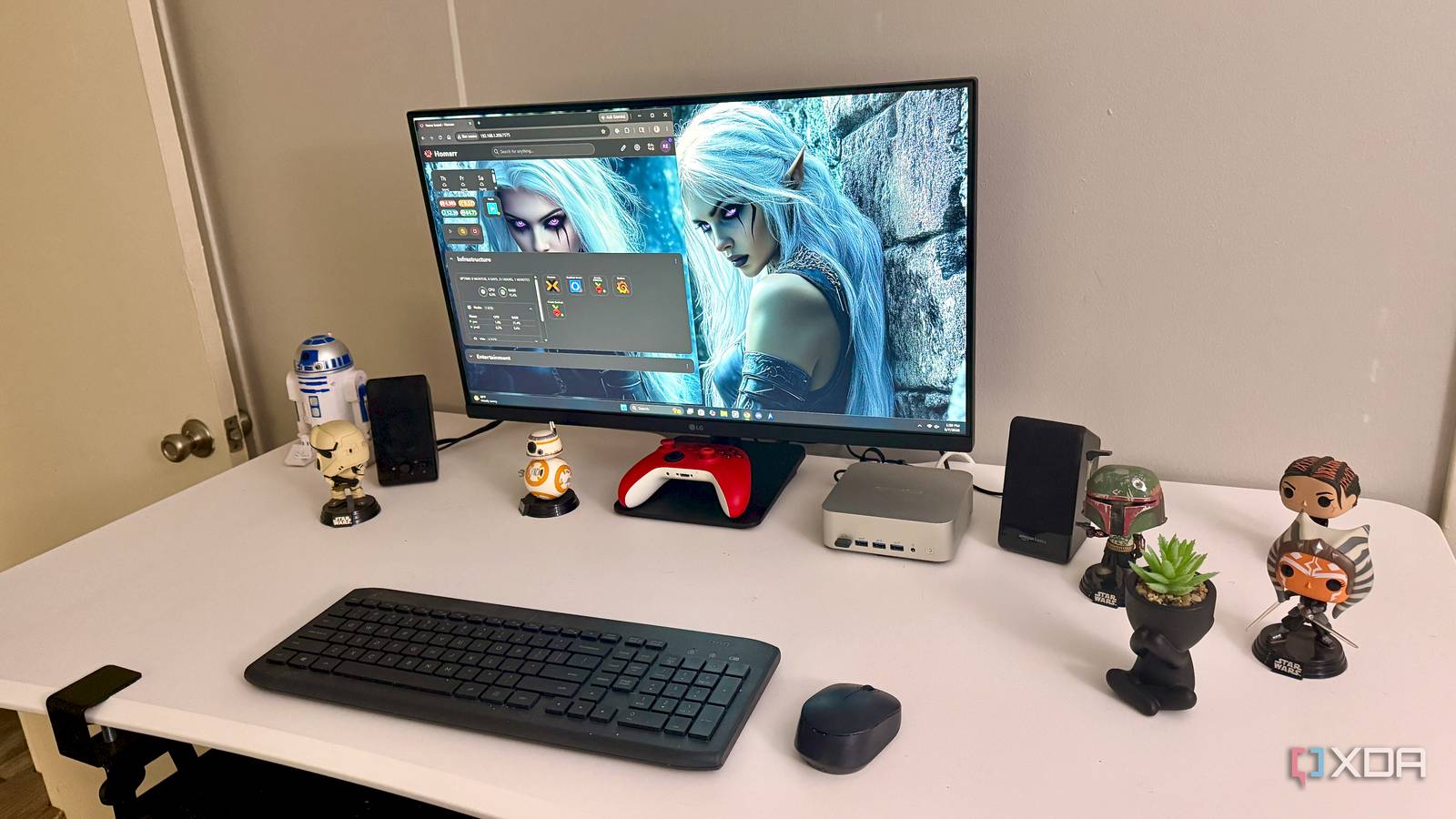
"It's not just about convenience," explains Mark Chen, an IT consultant who runs a multi-node lab. "It's about reducing errors. When you don't have to guess which port goes with which app, you avoid downtime."
The implications extend beyond hobbyists. Small businesses and dev teams operating self-hosted infrastructure could similarly benefit from streamlined network organization.
Key Benefits at a Glance
- Centralized view of all services, IPs, and ports
- Reduced cognitive load by eliminating mental note-taking
- Faster troubleshooting when issues arise
As adoption grows, experts predict that such dashboards will become a standard part of home lab setups, much like monitoring tools are today.
"This is the kind of practical innovation that makes self-hosting accessible to more people," adds Dr. Torres. "It removes a major barrier to entry."
Related Articles
- How the Block Protocol is Making the Web Smarter for Humans and Machines
- Optimizing Pull Request Diff Performance: A Step-by-Step Guide
- Browser-Based Testing for Vue Components: A No-Node Approach
- Breaking: Bolt Partners with Dongfeng to Bring Chinese EVs to South Africa
- Mastering Markdown in Astro: A Comprehensive Guide
- How to Upgrade Your .NET WebAssembly App to .NET 10: A Copilot Studio Case Study
- Inside V8's Twofold Speed Boost for JSON.stringify
- Developer's Quest for CSS Color Palettes Beyond Tailwind Sparks Community Resource List