Meta's AI Agents Drive Hyperscale Efficiency: How Automation Saves Megawatts
Introduction
Imagine running a digital infrastructure that serves over three billion people daily. Every line of code, every update, every new feature has to be scrutinized not just for functionality but for efficiency—because even a 0.1% performance slip can translate into massive power consumption. That is the reality for Meta's Capacity Efficiency Program, and they have turned to artificial intelligence to tackle this challenge. By building a unified platform of AI agents that encode years of domain expertise, Meta is automating the detection and resolution of performance issues across its hyperscale fleet. This article explores how these agents work, the results they deliver, and where the program is heading.
The Challenge of Hyperscale Efficiency
At Meta's scale, efficiency is not a one-time optimization; it is a continuous battle. Every milliwatt counts, and every performance regression—no matter how small—compounds across millions of servers. The Capacity Efficiency Program operates on two fronts:
Two Fronts: Offense and Defense
- Offense: Proactively searching for opportunities to make existing systems more efficient. This involves rigorous code analysis, benchmarking, and deploying optimizations before they can cause waste.
- Defense: Monitoring resource usage in production to detect regressions as soon as they appear, root-causing them to a specific pull request, and deploying mitigations quickly.
For years, human engineers handled both sides. But as the infrastructure grew, the volume of issues became overwhelming. That is where AI stepped in.
Building a Unified AI Agent Platform
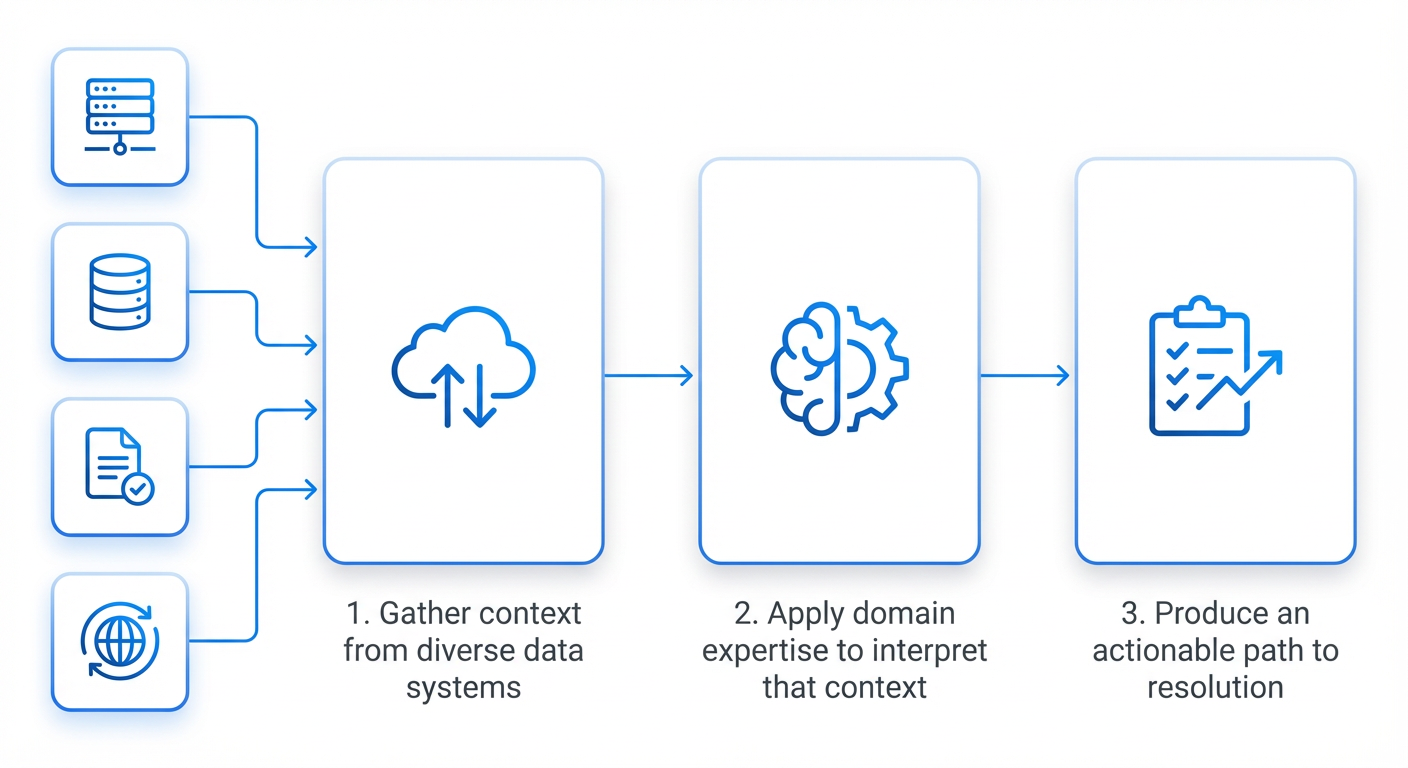
Meta's solution is a unified AI agent platform that encodes the domain expertise of senior efficiency engineers into reusable, composable skills. These agents are designed to automate the entire workflow—from identifying a performance regression to generating a ready-to-review pull request that fixes it. The key innovation is standardizing the tool interfaces so that different agents can work together seamlessly, regardless of the underlying system or programming language.
By compressing what used to take a human engineer about ten hours of manual investigation into roughly thirty minutes, these AI agents free up valuable human time for more creative tasks. They also enable the program to scale mega-watt (MW) savings without a proportional increase in headcount.
Defense: Catching Regressions with FBDetect
On the defense side, Meta uses an in-house tool called FBDetect to catch thousands of performance regressions every week. Previously, each regression would require a human engineer to investigate, root-cause, and deploy a fix. Now, AI agents automatically analyze the regression data, identify the likely cause, and even propose or apply mitigations. This rapid response prevents wasted megawatts from compounding across the fleet—saving energy every single minute.
Offense: AI-Assisted Opportunity Resolution
On the offense side, AI agents are expanding into more product areas each half. They scan the codebase for inefficiencies, evaluate potential optimizations, and prioritize those with the highest impact. Without automation, engineers would never have enough time to manually pursue every opportunity. The AI handles the long tail, delivering a growing volume of efficiency wins that would otherwise remain unexploited.
Measurable Impact: Savings and Speed
The results speak for themselves. Meta reports that its AI agents have already recovered hundreds of megawatts of power—enough to power hundreds of thousands of American homes for a year. The time to diagnose a regression has dropped from hours to minutes. And the program's MW delivery continues to grow even as the engineering team stays lean.
This is not just about energy savings; it is also about engineer satisfaction. By automating the tedious parts of performance debugging, Meta allows its engineers to focus on innovating new products rather than fighting fires.
Toward a Self-Sustaining Efficiency Engine
The ultimate goal is a self-sustaining efficiency engine where AI handles both the detection and resolution of performance issues autonomously. Engineers would then only intervene for the most complex or novel cases. This vision aligns perfectly with the principles of hyperscale: automate as much as possible, and let humans solve the problems that truly require creativity and judgment.
As the platform matures, Meta expects to extend its reach to more product areas, deeper layers of the stack, and even real-time or near-real-time responses. The same techniques could also be applied to other resource domains like memory, storage, and network bandwidth.
Conclusion
Meta's Capacity Efficiency Program demonstrates how AI can transform infrastructure management at hyperscale. By encoding institutional knowledge into flexible agents and standardizing tool interfaces, the company has automated the bulk of performance issue identification and resolution. The result is a leaner, more efficient operation that saves hundreds of megawatts of power and frees up engineers to innovate. As the program moves toward full autonomy, it sets a benchmark for other large-scale technology companies seeking to optimize their own infrastructures.
For more details on how Meta builds and deploys these agents, see the AI agent platform section above.
Related Articles
- Terraform Unveils Cost Analytics and Project-Level Controls in Major Platform Update
- How to Master Open Source News with LWN.net's Weekly Edition
- Linux 7.2 DRM Scheduler Set to 'Fair' Priority; AMDXDNA Gains AIE4 Support
- Fedora Atomic Desktop Users Face Critical Changes with Fedora 44 Release: FUSE v2 Removal Impacts AppImages and Vault Backends
- The Copy.Fail Linux Exploit: Why This Kernel Flaw Is a Critical Threat
- Fedora Linux 44: What You Need to Know
- How to Diagnose and Fix a CUBIC Congestion Window Stuck Bug in QUIC
- 5 Key Updates in Firefox's Free VPN: Server Choice and More