NAS Repurposing Trend: File Storage Devices Become Multifunctional Home Hubs, Experts Say
Breaking: Users Abandon Traditional NAS Roles, Transforming Devices into Versatile Home Servers
Home network-attached storage (NAS) devices are being radically repurposed, shifting from passive file repositories to active, multifunctional home hubs. Tech enthusiasts and early adopters are ditching the traditional backup-and-share model, instead using NAS hardware to run media servers, home automation systems, and even lightweight virtual machines.
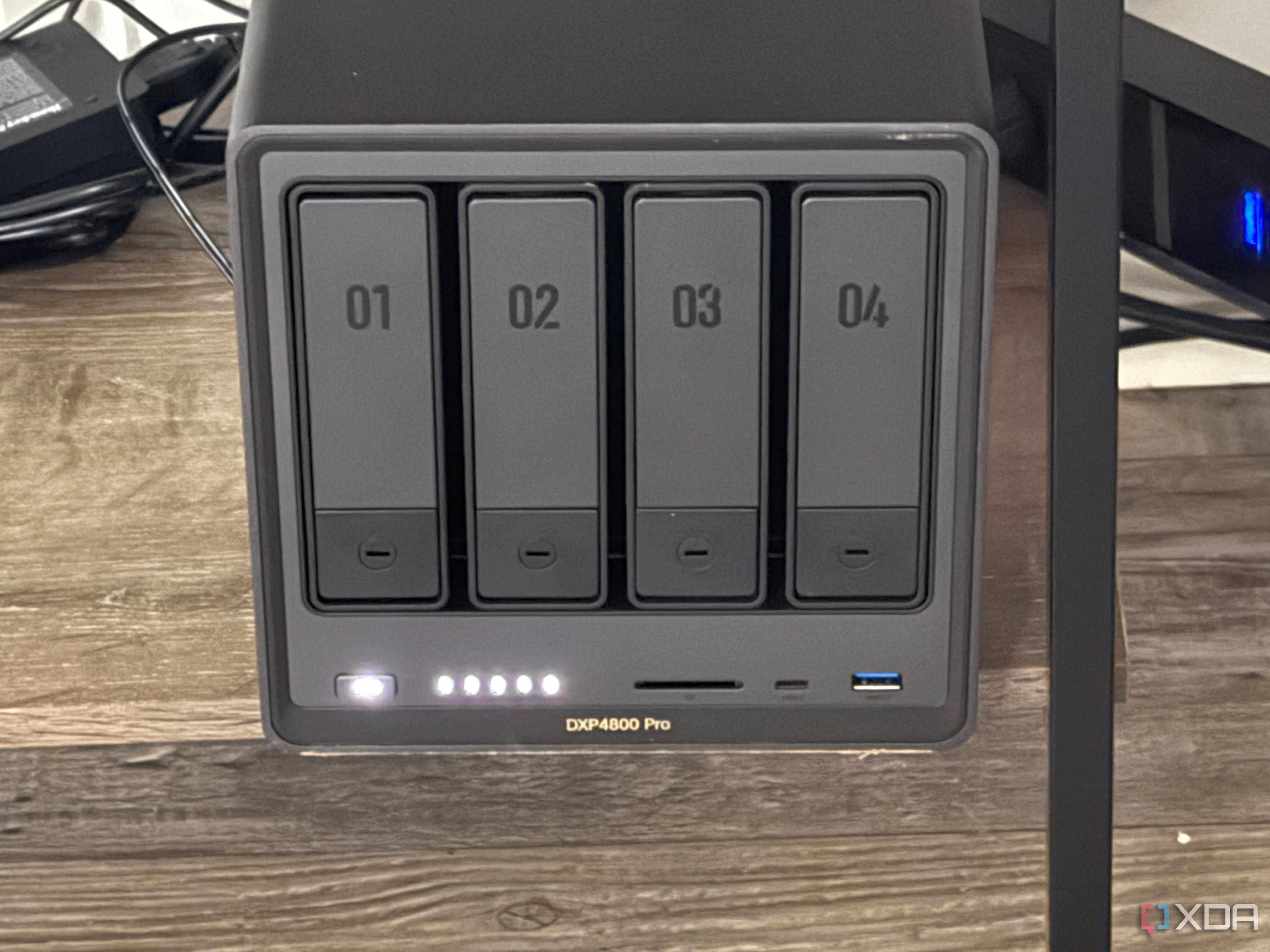
"The NAS is no longer just a dumb box of files," says Jordan Chen, a senior analyst at StorageTech Insights. "When users stop treating it strictly as a NAS, the hardware becomes far more valuable—like turning a filing cabinet into a Swiss Army knife." The trend, documented in several tech forums and user reports, suggests a significant behavioral shift in how home storage devices are perceived and deployed.
Background: The Traditional NAS Paradigm
Historically, NAS units were designed for a narrow set of tasks: centralized file storage, automated backups, and basic data sharing across a local network. For years, manufacturers marketed them as secure, low-maintenance appliances for protecting family photos and documents. Most users installed them, set up a few shared folders, and rarely touched them again.
"The typical NAS experience was set-it-and-forget-it," explains Dr. Lena Hartmann, a smart-home researcher at the University of Cambridge. "But that underutilizes the powerful processor and ample memory many modern NAS devices pack. People are finally realizing the box can do so much more."
What This Means: A New Era of Home Infrastructure
The shift has practical implications. By repurposing a NAS, users can replace multiple dedicated devices—such as a separate media server, a home automation hub, or even a low-cost desktop computer. "I turned my old two-bay NAS into a Plex server, a Home Assistant controller, and a lightweight web development sandbox," says tech blogger Marcus Teo. "It went from forgotten to the most useful machine in my house."
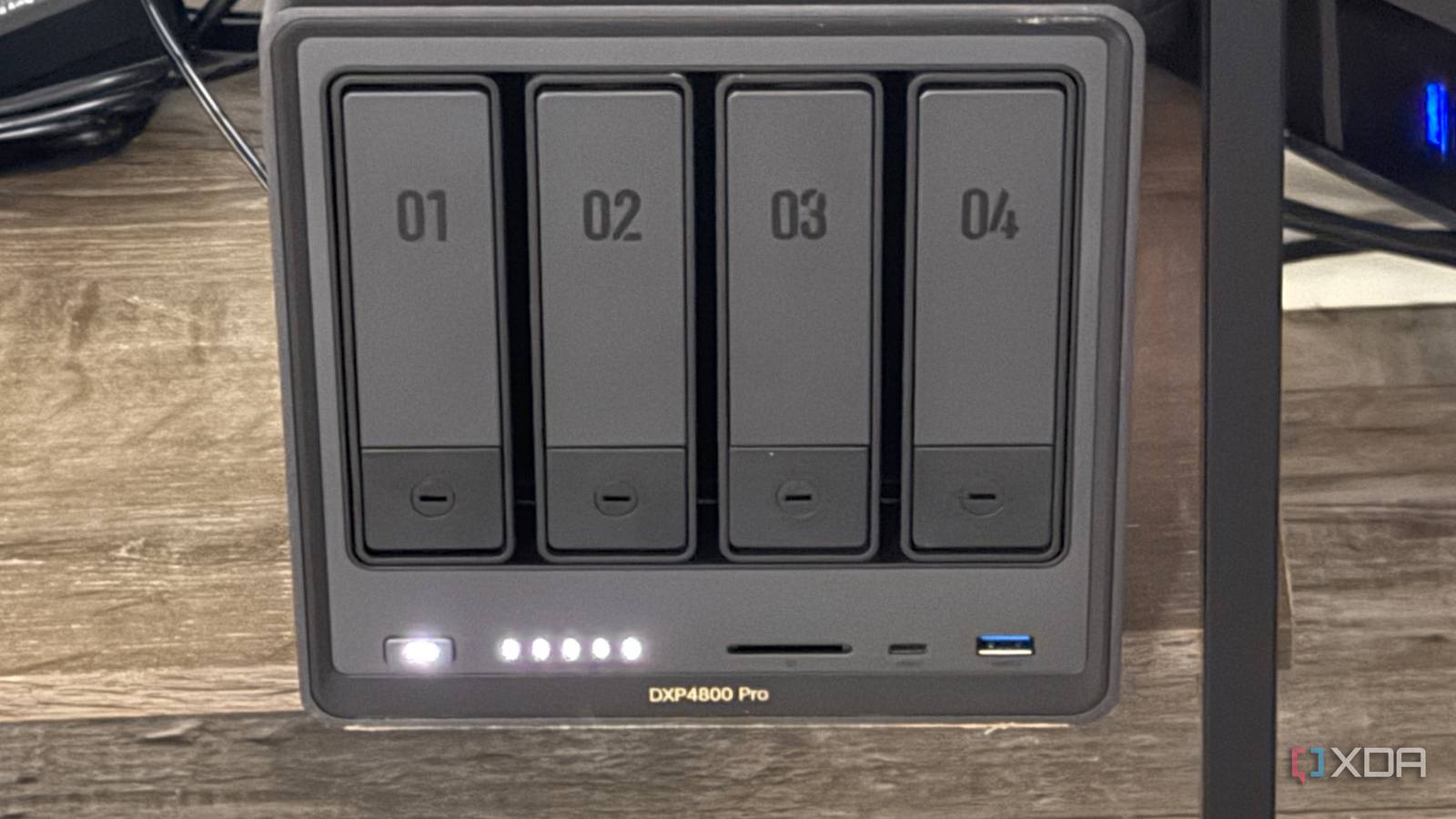
Security and reliability concerns, however, reman. Running additional services on a device originally designed for storage increases attack surface and may void warranties. Experts recommend carefully evaluating firmware and app compatibility before expanding a NAS's workload. "It's a hack, but a powerful one," Chen adds. "Users must balance flexibility with the risk of overloading a device that wasn't built for constant multitasking."
Manufacturers are taking note. Synology, QNAP, and other leading brands now offer official app stores and container support, blurring the line between NAS and home server. The trend appears to accelerate as consumers demand more from their hardware. "The next generation of NAS will be designed from the ground up as a home server with storage, not just a storage box," predicts Dr. Hartmann.
For those considering the switch, experts advise starting small: install a media server or remote access tool, then gradually explore additional services. The key, they say, is to recognize that the humble NAS can be the central nerve center of a smart home—if you let it.
Related Articles
- 5 Key Insights into Kubernetes v1.36's Mutable Pod Resources for Suspended Jobs
- 7 Reasons Why Forcing Student Reflection Can Actually Slow Learning
- AWS Unveils Game-Changing AI Agents and More at What’s Next Event 2026
- Google Unveils TurboQuant: A Breakthrough in KV Cache Compression for LLMs
- Safeguarding Reinforcement Learning Agents Against Reward Hacking: A Practical Guide
- Coursera's Latest Data Reveals Encouraging Progress in Closing the Gender Gap for Generative AI Skills
- The Price of Radical Possibility in Education: Burnout and Resilience Among Black Women Leaders
- Web Development Never Settles: The Constant Cycle of Disruption