Warning: Your 'Close' Button May Not Actually Stop Windows Programs – Here's Why
Urgent: Common Windows Habit Draining PC Performance
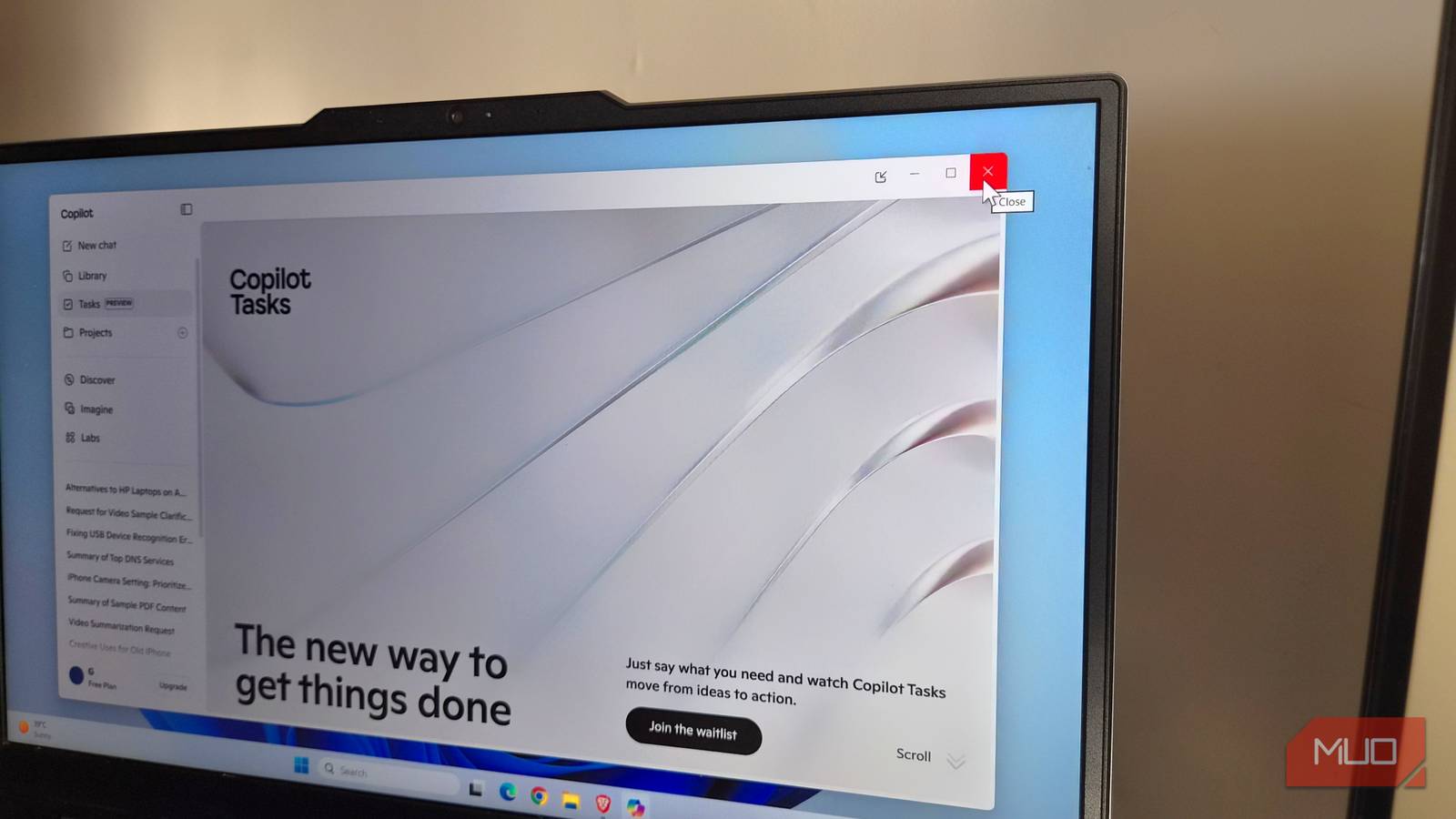
A widespread user behavior is secretly degrading computer performance across millions of Windows systems. Clicking the red 'X' button on application windows often fails to terminate the program entirely, leaving it active in the background.
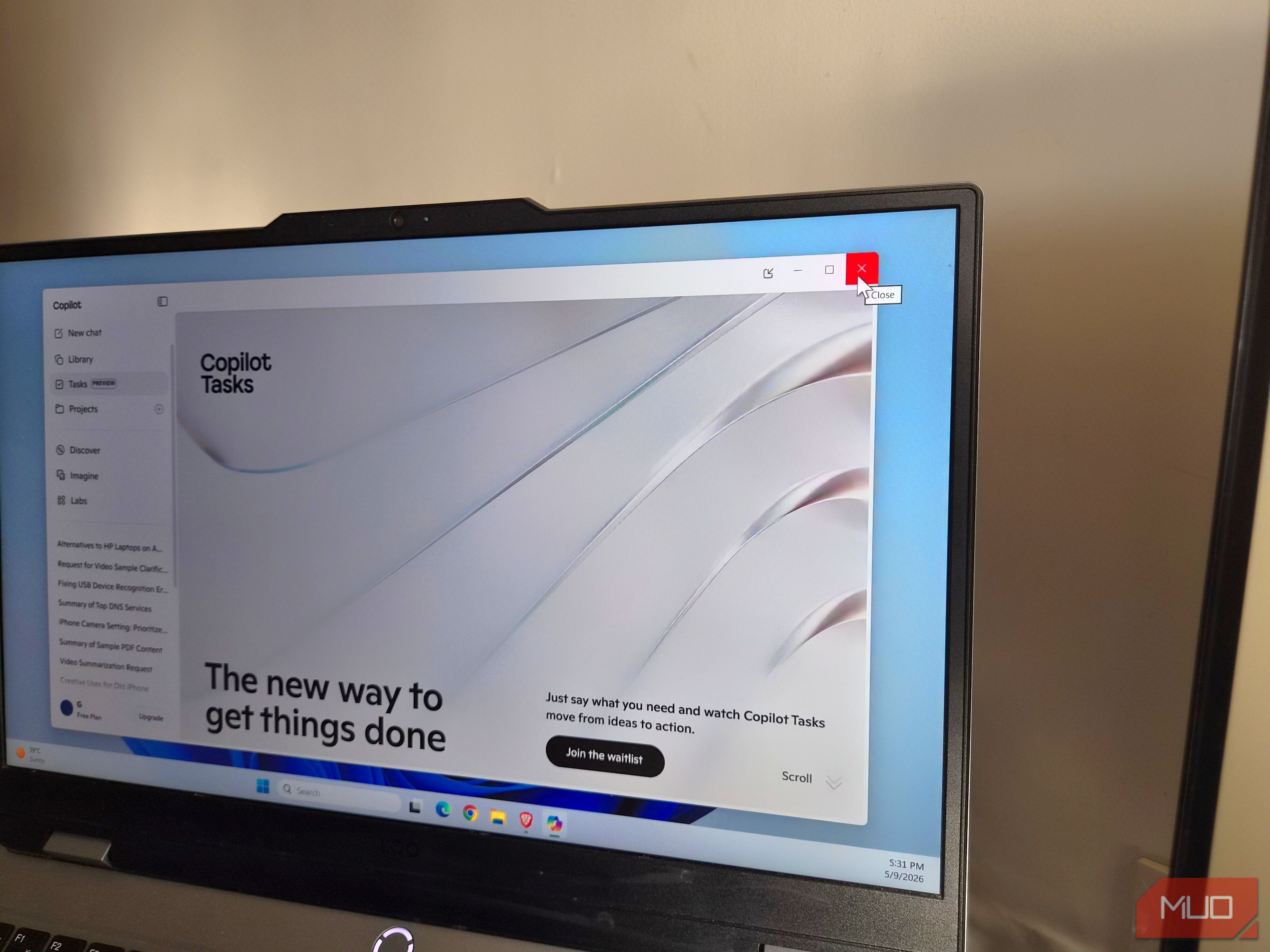
This continuous background operation consumes system resources—RAM, CPU cycles, and disk activity—which can significantly slow down your PC over time. The issue affects both casual users and professionals who rely on peak machine efficiency.
“The X button in Windows is designed to close the graphical window, not necessarily the underlying process,” explains Dr. Elena Kowalski, a senior software engineer at Redmond Consulting. “Many applications keep running in the system tray or as background services, silently eating up resources.”
The Hidden Background Problem
When you click X, most Windows apps hide their interface but continue executing. This behavior is especially common with messaging clients, cloud sync tools, media players, and productivity suites.
These lingering processes can accumulate, forcing your processor and memory to work harder. The result is slower startup times, laggy multitasking, and reduced battery life on laptops.
Background: Why Windows Apps Behave This Way
Windows has long supported background execution to allow apps to perform tasks even when minimized or closed. For instance, email clients can sync messages, and chat apps can receive notifications without being open.
However, the design of the close button has not evolved to clearly indicate whether it truly exits a program. Users often assume X means 'quit,' but many apps treat it as 'hide' or 'minimize to tray.'
What You Need to Check
To verify if an app is still running, open Task Manager (Ctrl+Shift+Esc) and look for processes listed under the 'Background processes' section. Common culprits include Adobe Creative Cloud, Skype, and antivirus software.
For a thorough cleanup, you can right-click these processes and select 'End task.' Alternatively, use the system tray (notification area) to right-click app icons and choose 'Exit' or 'Quit'—this often fully terminates them.
What This Means for Your PC
Ignoring this issue leads to resource drains that compound over days or weeks. Even idle background apps can consume 5–15% of your CPU and hundreds of megabytes of RAM, depending on the program.
For users with low‑end hardware, this can render the system nearly unusable. On high‑end machines, it still robs performance from foreground tasks such as gaming, video editing, or programming.
Security and Maintenance Implications
Leaving apps open increases the attack surface for malware that might exploit lingering processes. Additionally, background apps may connect to the internet without your knowledge, using bandwidth and potentially exposing data.
Regularly fully closing unused programs is a simple yet effective step toward better system hygiene. “It’s one of the easiest performance optimizations people overlook,” notes Dr. Kowalski. “You don’t need expensive upgrades—just close apps correctly.”
How to Properly Close Windows Applications
- Use the File menu: Many apps have an 'Exit' option under File that truly exits the program.
- Right-click system tray icons: Choose 'Quit' or 'Exit' to ensure the program stops entirely.
- Task Manager: For stubborn processes, manually end the task via the Processes tab.
- Keyboard shortcut: Alt+F4 closes the window, but not necessarily the app; combine with other methods for certainty.
Future Outlook
Microsoft has hinted at changes in upcoming Windows updates to make app closure more transparent. However, until that arrives, users must take manual steps to safeguard their PC’s performance.
Stay tuned for further guidance. In the meantime, check your Task Manager—you might be surprised how many apps are still running.
Related Articles
- How to Analyze the OnePlus-Realme Merger and Its Implications for the Smartphone Market
- Discover Windows' Hidden Gem: The Enhanced Notepad App from the Microsoft Store (It's Free)
- A Step-by-Step Guide to Overhauling Community Search for Better Discovery and Validation
- How to Partner with YouTube's Top Creators for Exclusive Streaming Shows: A Brand's Step-by-Step Guide
- Unlock the Google Search Widget: 7 Secret Features You Never Knew Existed
- Defending Against Supply Chain Attacks: Lessons from the Mini Shai-Hulud Worm
- How to Understand the Global Food and Land Crisis: A Step-by-Step Guide Inspired by 'The Grab'
- Revolutionizing Facebook Groups Search: How Hybrid Retrieval Unlocks Community Knowledge