How to Select the Perfect Lenovo ThinkPad or ThinkStation: A Step-by-Step Guide to the Latest Models
Introduction
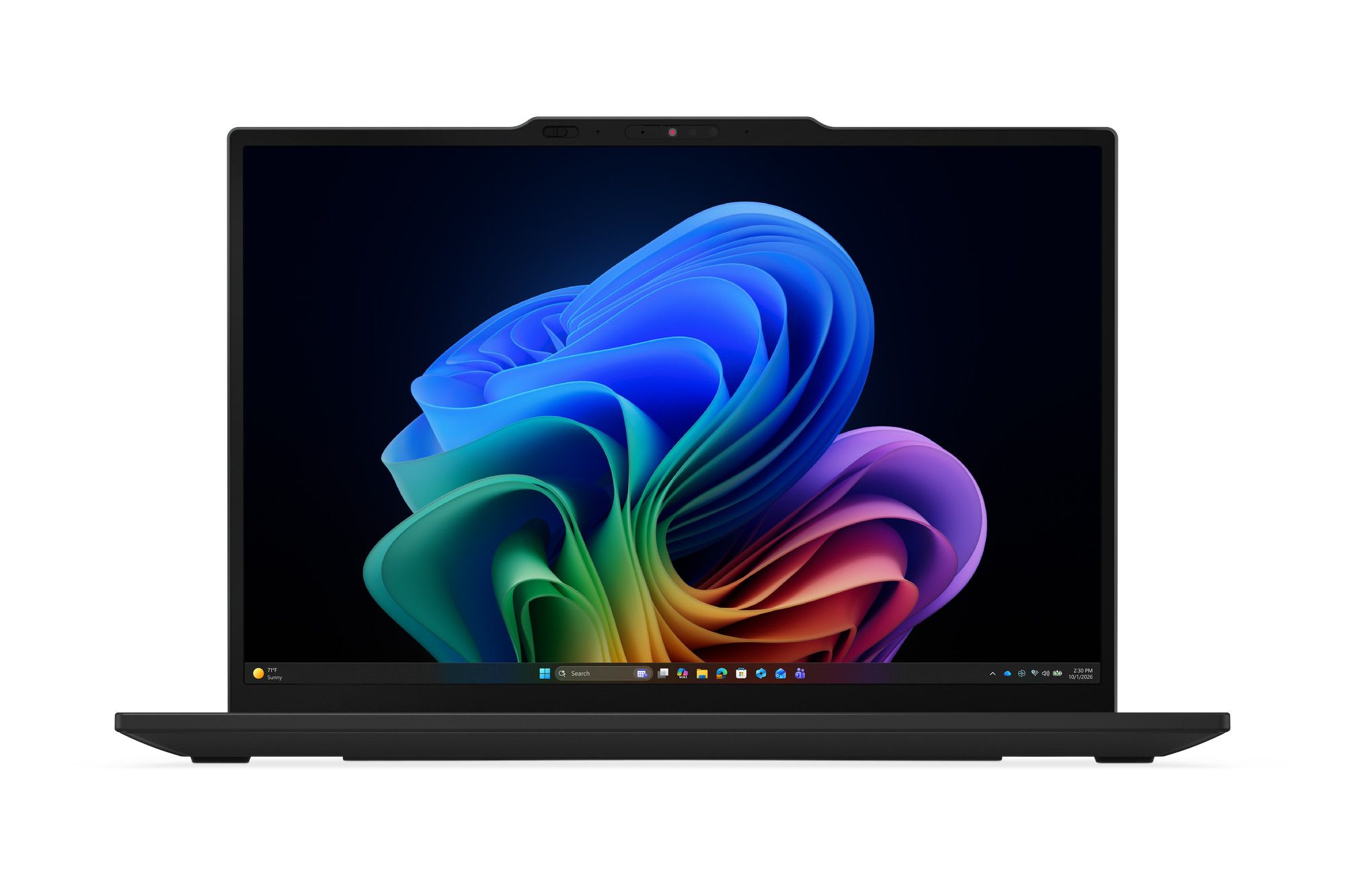
Lenovo's ThinkPad family has long been the gold standard for business laptops, and on May 12, the company refreshed its lineup with the new X13, updated L-Series models, and the powerful ThinkStation P4 workstation. Whether you're a mobile professional, a budget-conscious team, or a power user running intensive simulations, this guide will walk you through the process of choosing the ideal device. Follow these steps to match your needs with Lenovo's latest offerings.
What You Need
Before you begin, gather the following:
- A clear understanding of your daily computing tasks (e.g., document editing, 3D rendering, data analysis)
- Your preferred form factor (laptop vs. desktop)
- Approximate budget range
- List of must-have features (e.g., Thunderbolt 4, touchscreen, security chip)
- Internet access to check Lenovo's official specs and pricing
Step 1: Assess Your Primary Work Needs
Start by asking yourself: Will I be working mostly on the go or at a fixed desk? If you need a lightweight laptop for travel, the ThinkPad X13 is designed for you. If you need a balance of power and price for a team, the L-Series fits the bill. For demanding tasks like CAD, video editing, or scientific computing, the ThinkStation P4 provides desktop-class performance.
Step 2: Explore the Lenovo ThinkPad X13 (Ultraportable)
Lenovo's new X13, announced May 12, is an ultraportable powerhouse. It features a compact 13-inch display, the latest Intel or AMD processors, and robust security options. This step involves checking its weight (under 3 lbs) and battery life (up to 12 hours) to see if it suits your mobile lifestyle.
Step 3: Evaluate the Lenovo ThinkPad L-Series
The updated L-Series models offer a strong middle ground. They include the L13, L14, and L15 variants, providing more ports and upgradeability than the X13 while remaining budget-friendly. Consider these if you manage a fleet of devices for your office or need a reliable system for standard productivity tasks.
Step 4: Consider the Powerful ThinkStation P4
If your workflow demands heavy compute power, look at the ThinkStation P4 workstation. Released alongside the laptops, this desktop supports high‑end GPUs (NVIDIA RTX), ECC memory, and multi‑core processors. It's ideal for engineers, architects, and data scientists who need uncompromising speed and stability.
Step 5: Compare Key Specifications
Now that you've identified the three families, compare their specs side by side. Focus on:

- Processor options: Intel Core i5/i7 vs. AMD Ryzen 5/7 (X13 & L-Series) vs. Intel Xeon (P4)
- RAM & storage: Up to 32GB RAM and 1TB SSD in laptops; up to 128GB RAM and multiple SSDs in P4
- Display quality: FHD vs. 2.5K vs. 4K, touch vs. non-touch
- Connectivity: USB‑C, Thunderbolt 4, HDMI, Ethernet
- Security: Fingerprint reader, IR camera, TPM 2.0
Step 6: Determine Your Budget and Check Availability
Pricing for the X13 starts around $1,100, the L-Series from $800, and the ThinkStation P4 from $1,500. Check the Lenovo website for current discounts and configuration options. Also note that the May 12 announcement means these models are now shipping; you can order directly or through channel partners.
Step 7: Make Your Final Decision
Weigh all the factors above. If you prioritize portability above all, choose the X13. For a cost-effective workhorse for your team, pick the L-Series. If raw power and expandability are non‑negotiable, invest in the ThinkStation P4. Remember to factor in warranty and support options.
Tips
- Test the keyboard: Lenovo’s ThinkPad keyboards are famous – try them in person if possible.
- Consider future upgrades: The L-Series and P4 allow for RAM/storage upgrades; the X13 is more sealed.
- Watch for bundle deals: Lenovo often offers discounts on combo purchases (laptop + workstation).
- Use the anchor links above to jump to specific steps: ThinkPad X13 details, L-Series, or ThinkStation P4.
- Read reviews: Check trusted tech sites for real‑world benchmarks before buying.
Related Articles
- Dell XPS 16 (2026) Review: Regaining Premium Laptop Supremacy
- Fostering Friendly Communities: Insights from the Vienna Circle
- Ultrahuman Ring PRO Returns to Kickstarter with Enhanced Features and Battery Life
- Transforming System Utility Tools: A Human-Centered Design Guide
- Facebook Overhauls Groups Search with AI-Powered Hybrid System to Unlock Community Knowledge
- Why Data Transformation Fails in AI Pipelines and How to Prevent It
- Sync Obsidian for Free Across All Your Devices in Under 10 Minutes
- Why Are Users Fleeing Meta’s Platforms? The Decline of Facebook and Instagram Explained