TSMC Invests $20 Billion in Arizona: Profitability Amid Water, Labor, and Power Challenges
Overview: A Major Expansion in the Desert
Taiwan Semiconductor Manufacturing Company (TSMC) is doubling down on its Arizona operations with a new $20 billion investment, even as its first fabrication plant—Fab 21—navigates a complex web of resource constraints and regulatory hurdles. The facility has achieved profitability within its first year, a notable milestone, but the company continues to grapple with persistent shortages of water and skilled labor, along with concerns about long-term power reliability. Compounding these issues are strict visa rules that hamper the transfer of experienced engineers from Taiwan. This article explores the key facets of TSMC's Arizona expansion, the challenges it faces, and what the new funding means for the chipmaker's American footprint.
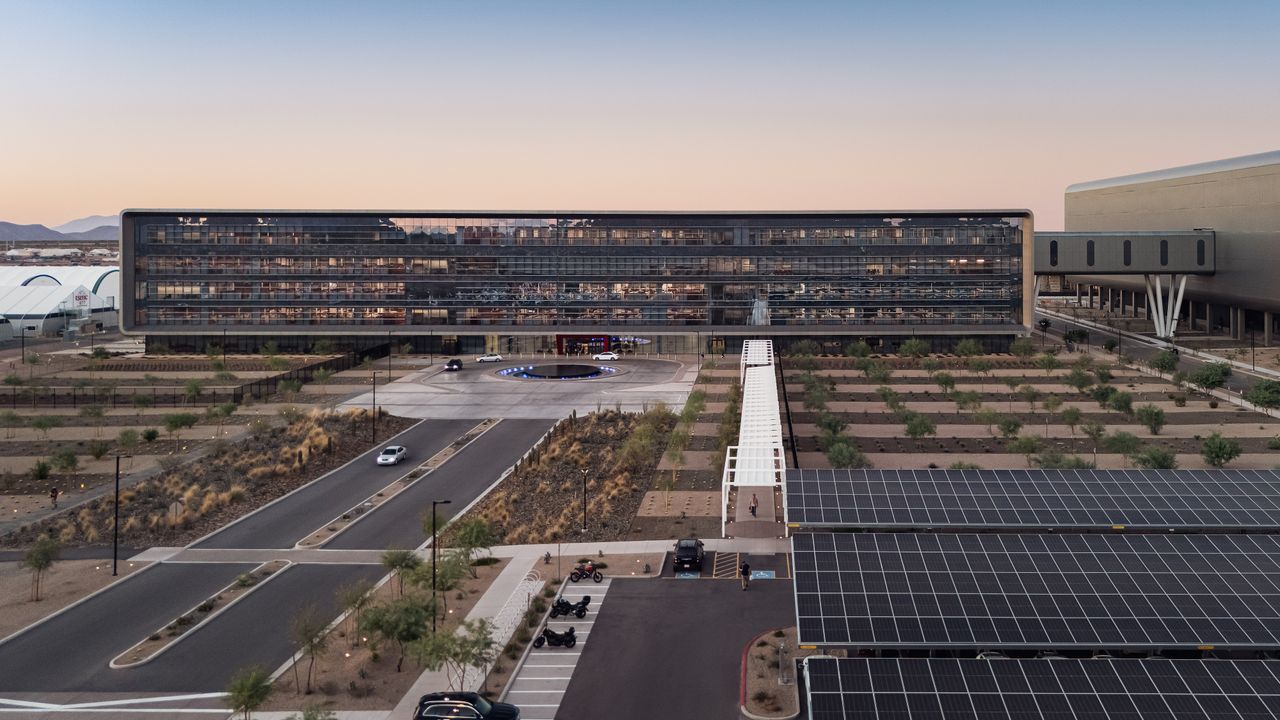
Profitability at Fab 21: A Quick Win
TSMC's Fab 21 in Arizona turned profitable in its very first year of operations—a rare achievement for a new semiconductor fabrication facility. The plant, which focuses on advanced logic chips, has already begun contributing to TSMC's bottom line, demonstrating strong demand and efficient ramp-up. This early financial success provides a solid foundation for the company's ambitious expansion plans in the region.
Persistent Resource Challenges
Despite the positive financial news, TSMC faces significant operational headwinds in the Arizona desert. Three critical resources are causing concern: water, labor, and power.
Water Shortages in the Arid Southwest
Semiconductor manufacturing is notoriously water-intensive, requiring ultra-pure water for wafer cleaning and processing. Arizona's ongoing drought conditions and overall water scarcity pose a direct threat to TSMC's ability to scale production. The company has invested in water recycling technologies, but the water shortage remains a long-term risk that could limit output or increase operational costs.
Labor Shortage and Skilled Worker Gaps
A shortage of qualified technicians and engineers in the Phoenix area adds another layer of complexity. TSMC has struggled to find enough local talent to staff its fabs, despite offering competitive wages and training programs. This labor gap forces the company to rely heavily on personnel from its Taiwan headquarters, which in turn introduces dependency on visa policies.
Long-Term Power Supply Concerns
Reliable and affordable electricity is essential for around-the-clock chip production. TSMC has expressed concern about the long-term power supply in Arizona, especially as the region experiences growing demand from data centers and other industrial users. Any instability in the grid could disrupt manufacturing schedules and affect profitability.
Visa Rules Complicate Hiring from Taiwan
One of the most frustrating bottlenecks for TSMC's Arizona project is the U.S. visa system. The company needs to bring in experienced engineers from its home base to train local workers and oversee critical processes. However, visa rules—particularly for intracompany transferees (L-1 and H-1B categories)—are stringent and slow. Delays and caps on these visas have slowed knowledge transfer and project momentum. This issue is not unique to TSMC but is acutely felt given the specialized nature of semiconductor manufacturing.
The $20 Billion Commitment
In response to both the opportunities and obstacles, TSMC has allocated an additional $20 billion to expand its Arizona footprint. This funding is intended for further development of the existing site, including new fabrication lines and infrastructure improvements. The investment signals TSMC's long-term confidence in U.S. manufacturing, even as it tackles the aforementioned challenges. The company is working with state and federal officials to address water rights, workforce development, and power infrastructure, but concrete solutions remain in progress.
Outlook: Balancing Growth and Sustainability
TSMC's Arizona expansion is a bellwether for the reshoring of advanced semiconductor manufacturing. The early profitability of Fab 21 proves that the location can be economically viable, but the sustainability of that success hinges on resolving resource and immigration issues. The $20 billion investment gives TSMC some breathing room, but the company must continue to innovate in water conservation, expand its local workforce pipelines, and advocate for more accommodating visa policies. If these hurdles can be overcome, the Arizona site could become a major hub for TSMC's global production network.
Related Articles
- Consensus 2026: How Wall Street Transformed Crypto’s Premier Conference into a Corporate Showcase
- The Future of Quantum Computing in 2026
- Apple Drops Safari Technology Preview 240 With Major CSS Revert-Rule Support and Critical Media Bug Fixes
- BlackBerry's QNX Division Powers Safety in 275 Million Cars, Drives Half of Revenue – Yet Most People Have No Idea
- 16 Years of Go: Key Milestones and Innovations in 2025
- 7 Breakthroughs in the NVIDIA-Google Cloud AI Partnership You Need to Know
- Fwupd 2.1.3 Explained: Modular Smartphones and the Future of Firmware Updates
- From TACO to NACHO: How Wall Street's Slang for Trump's Moves Became a Market Menu