10 Fascinating Facts About Perseverance's Latest Martian Selfie
NASA's Perseverance rover has once again captured the world's imagination with a stunning new selfie taken on the Red Planet. This isn't just a vanity shot—it's a scientific snapshot that reveals the rover's latest achievements and the ancient landscape of Jezero Crater. From the painstaking assembly of dozens of images to the grinding of rock surfaces, every detail tells a story of exploration. Here are ten things you need to know about this remarkable selfie and what it means for our understanding of Mars.
1. A Selfie with a Scientific Mission
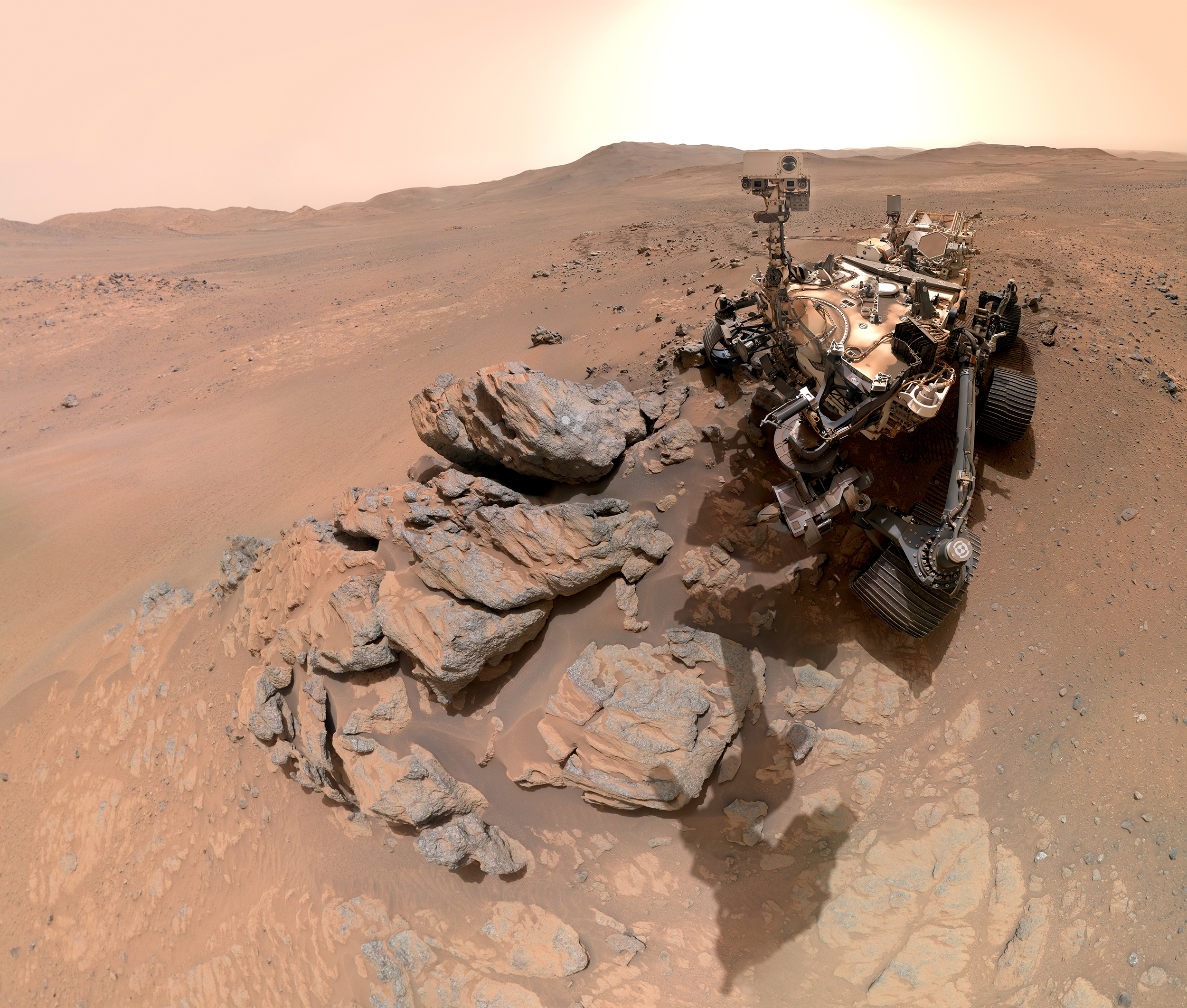
Unlike a casual self-portrait, Perseverance's image serves a dual purpose: it documents the rover's surroundings while showcasing its mechanical capabilities. The selfie highlights the rover's mast, robotic arm, and the abrasion patch it recently created. By positioning itself against the backdrop of Jezero Crater's western rim, the rover provides context for where it has been working. The science team uses these images to plan future movements and select targets for sampling.
2. The Location: Lac de Charmes
The selfie was taken at a site the team calls "Lac de Charmes", named after a region in France known for its ancient charm. This area within Jezero Crater is rich in geological features that hint at past water activity. The rover parked near a rocky outcrop that exhibits layered deposits, possibly formed in a lake or river delta. Studying such locations helps scientists piece together Mars' climate history and search for signs of ancient microbial life.
3. Assembled from 61 Individual Images
Creating a single panoramic selfie on Mars is no small feat. Perseverance's mast-mounted camera, the Mastcam-Z, captured 61 separate frames that were later stitched together on Earth. Each image had to be carefully calibrated for lighting and alignment. The final mosaic offers a seamless, high-resolution view of the rover and its surroundings, allowing scientists and the public to explore the scene in detail.
4. The Abrading Process: Grinding into Rock
In the foreground of the selfie, you can see a circular abrasion patch—a spot where the rover used its drill to grind away the weathered surface of a rock. This process, known as abrading, exposes fresh interior material that hasn't been altered by wind or radiation. The team then uses spectrometers to analyze the mineral composition. The abrasion at Lac de Charmes revealed intriguing chemical signatures that may indicate the presence of organic compounds.
5. What's Inside the Rock?
After abrading, Perseverance's instruments—such as the SHERLOC and PIXL spectrometers—scan the fresh surface. These tools can detect organic molecules and map the distribution of elements. Early results from the Lac de Charmes abrasion show a mix of clays and sulfates, which form in the presence of water. This supports the theory that Jezero Crater once hosted a habitable environment. The data will guide the team in deciding whether to collect a core sample for future return to Earth.
6. Jezero Crater's Western Rim: A Key Landmark
The sweeping backdrop of the selfie features the western rim of Jezero Crater, a 45-kilometer-wide impact basin. This rim is composed of ancient rocks that predate the crater itself, possibly dating back over 3.5 billion years. By exploring this area, Perseverance is sampling some of the oldest accessible rocks on Mars. The view also shows layered mesas and dunes, indicating complex geological processes.
7. The Deepest Push West Beyond the Crater
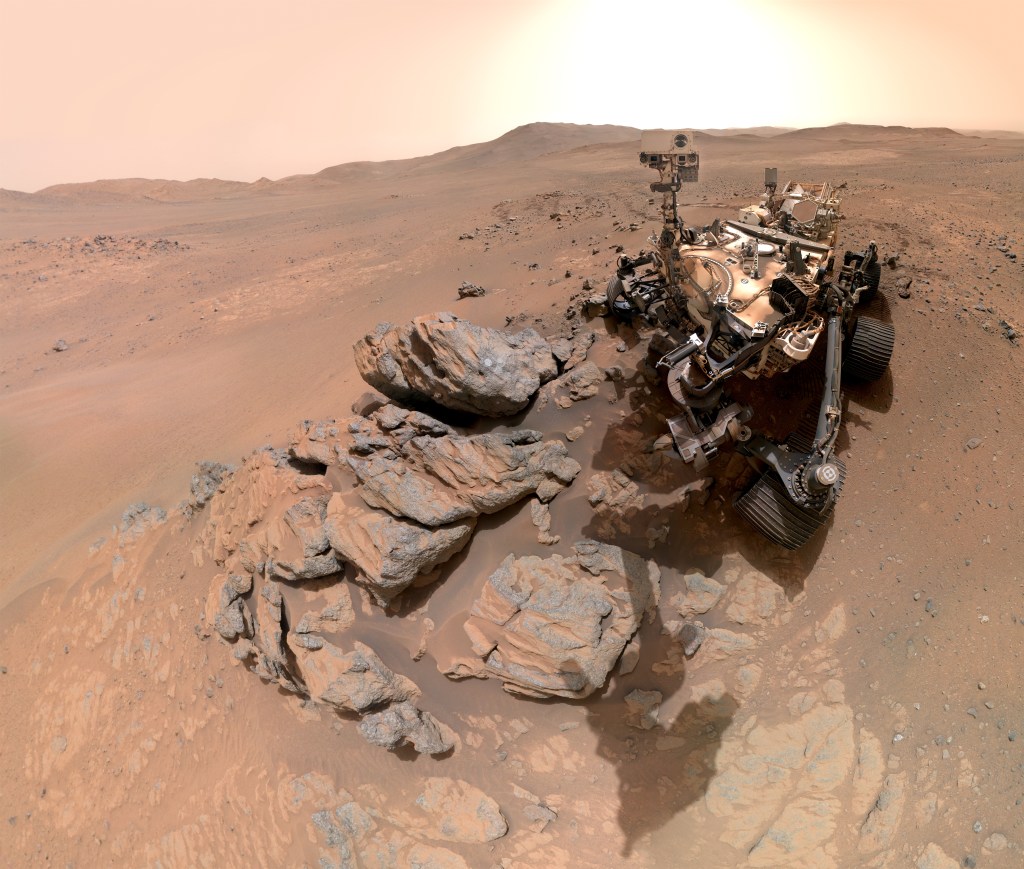
This selfie marks the rover's deepest westward drive since landing. Perseverance has ventured farther beyond the crater floor than any previous traverse. The route took it through challenging terrain with steep slopes and loose sand. Each meter traveled brings new discoveries and closer access to the crater rim, where scientists hope to find evidence of Mars' earliest crust.
8. Sol 1797: A Milestone in the Mission
The selfie was captured on March 11, 2025—the 1,797th Martian day (sol) of the mission. This is a significant milestone: Perseverance has now operated for nearly five Earth years, far exceeding its primary mission duration of one Martian year (687 Earth days). The rover's longevity allows it to pursue increasingly ambitious science targets.
9. The Technology Behind the Selfie
Taking a selfie on Mars requires precise coordination. Perseverance uses its Watson camera, mounted on the turret at the end of its robotic arm, to capture the rover's body. Meanwhile, the Mastcam-Z on the mast records the broader landscape. The arm moves the turret into position while the rover's computer ensures the images overlap correctly. The final assembly on Earth uses photogrammetry software to create a distortion-free panorama.
10. What's Next for Perseverance
After this selfie, the rover is expected to continue its ascent toward the western rim. The team plans to collect additional samples from the Lac de Charmes area and then head to the top of the rim to explore megabreccia—rock formations that may contain fragments of the ancient Martian crust. These samples will be cached for the Mars Sample Return mission, which aims to bring them to Earth in the 2030s.
Perseverance's latest selfie is more than a pretty picture—it's a window into the rover's ongoing journey of discovery. Each scratch on the ground and each pixel in the mosaic represents a step closer to answering the fundamental question: was there ever life on Mars? As the rover continues to explore, we can expect more surprises and deeper insights into our planetary neighbor's past.
Related Articles
- Curiosity Rover's Drill Gets an Unforeseen Martian Keepsake
- Navigating the Shift to Synthetic Sustainable Aviation Fuel: Lessons from Spain's Coalition and the Iran Crisis
- Capcom’s PRAGMATA Blasts Into GeForce NOW on Launch Day — No Console Required
- Breaking the Memory Barrier: How State-Space Models Enhance Video World Models
- May 2026 Night Sky Guide: Meteors, Planets, and a Blue Moon
- New AI Debugging Tool Reveals Which Agent Caused Multi-Agent System Collapse
- How to Protect Your Metabolism from Fructose’s Hidden Effects
- How to Lead AI-Assisted Engineering Teams: A Step-by-Step Guide