New 400MW Battery Project Approved Between Solar Farms in Victoria
Australia’s renewable energy storage capacity is set to expand significantly with the approval of a major new battery project in north-east Victoria. The developer, known for operating the country’s most powerful battery, has secured federal environmental approval for a 400 megawatt, four-hour duration battery system situated between two existing solar farms. This innovative project will help stabilize the grid, store excess solar energy, and support Victoria’s transition to clean energy. Below, we answer key questions about the proposal, its location, and its implications.
- What is the new battery project?
- Who is the developer?
- Where will the battery be located?
- How does it compare to Australia’s most powerful battery?
- Why is a four-hour duration important?
- What are the environmental and grid benefits?
What is the new battery project approved in north-east Victoria?
The project is a large-scale battery energy storage system (BESS) with a capacity of 400 megawatts and a storage duration of four hours, meaning it can deliver 1,600 megawatt-hours of electricity. It will be built between two solar farms in north-east Victoria, allowing it to store solar energy generated during the day and release it during peak demand periods in the evening. The project received the green light from the federal government’s Environment Protection and Biodiversity Conservation (EPBC) Act approval process, clearing a key regulatory hurdle. This battery will play a crucial role in supporting grid stability, reducing reliance on fossil fuels, and integrating more renewable energy into the National Electricity Market.

Who is the developer behind this project?
The developer is the same company that built and operates Australia’s most powerful battery – the 300 MW / 450 MWh Victorian Big Battery near Geelong. That facility, which began commercial operations in 2021, was the largest in the country at the time and helped prevent blackouts during extreme heat events. The developer’s experience with large-scale storage systems positions them well to deliver this new 400 MW project. They are known for innovative energy storage solutions and have a track record of working closely with grid operators and renewable energy generators.
Where exactly will the battery be located?
The battery will be sited in north-east Victoria, strategically positioned between two solar farms. The exact location is within a region rich in solar resources, making it ideal for capturing excess generation that might otherwise be curtailed. By placing the battery directly between the solar installations, the developer can minimize transmission losses and efficiently store power when generation exceeds immediate demand. This location also benefits from existing grid infrastructure, allowing for easier connection to the National Electricity Market and supporting local renewable energy zones.
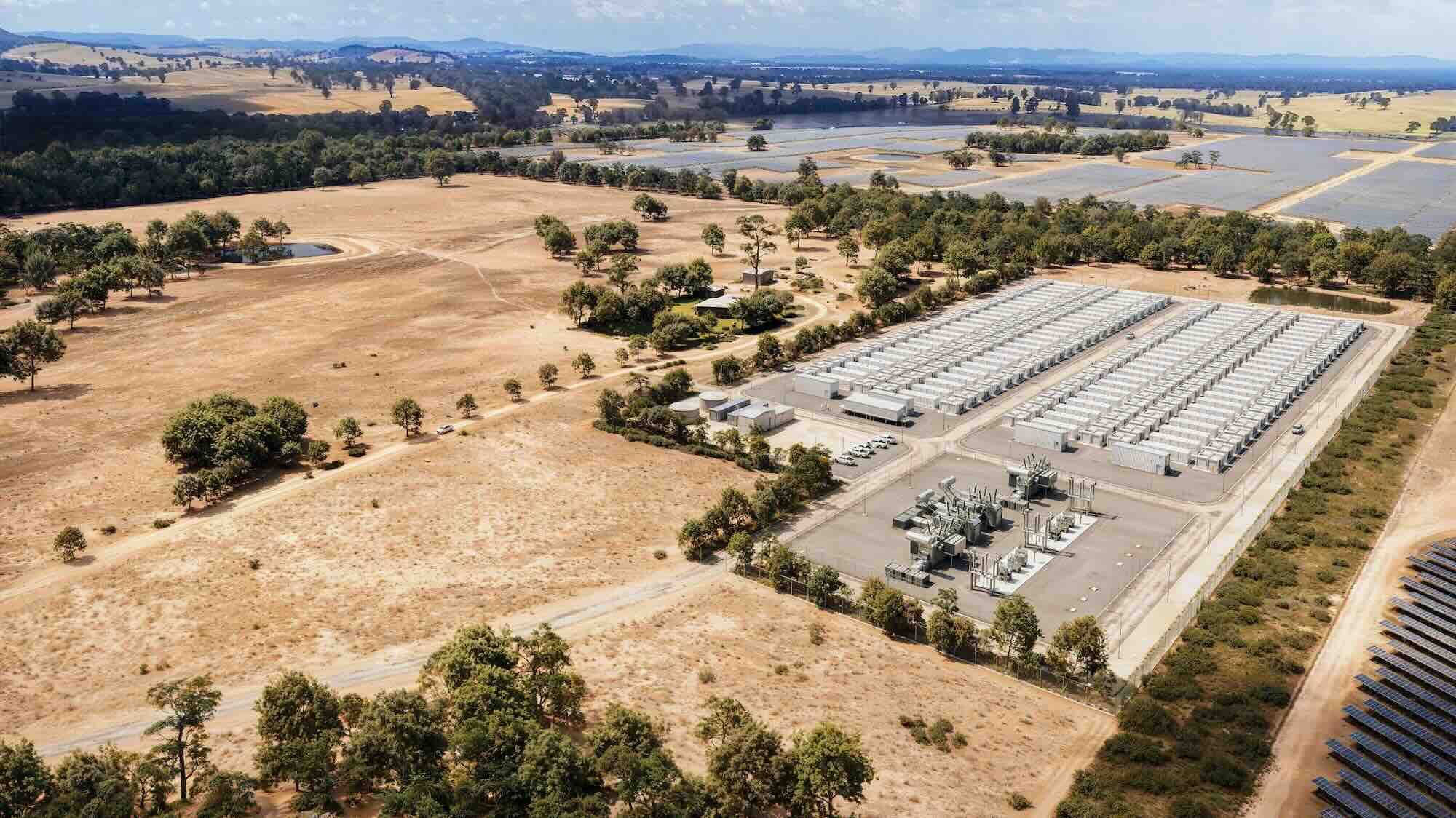
How does this project compare to Australia’s most powerful battery?
While the Victorian Big Battery is currently Australia’s most powerful in terms of instantaneous output (300 MW) and storage capacity (450 MWh), the new project will surpass it with a larger 400 MW capacity and a longer four-hour duration (1,600 MWh). However, it’s important to note that “most powerful” can refer to both power rating and energy capacity. The new battery’s four-hour duration allows it to provide sustained energy for longer periods, making it especially valuable for shifting solar energy into the evening hours. In contrast, the Victorian Big Battery has a shorter duration (1.5 hours) primarily designed for grid stability and rapid response.
Why is a four-hour duration important for this battery?
A four-hour duration is considered optimal for supporting high solar penetration in the grid. It enables the battery to store energy during the midday solar peak and discharge it continuously during the evening ramp when demand remains high but solar generation falls. This duration also allows the system to participate in energy arbitrage and provide firm capacity, helping to replace aging coal-fired power plants. Longer-duration batteries are increasingly seen as critical for Australia’s energy transition, as they can manage multi-hour gaps between renewable generation and demand peaks.
What are the environmental and grid benefits of this project?
By storing excess solar energy that would otherwise be wasted, the battery reduces the need for gas peaker plants and coal-fired generation, cutting greenhouse gas emissions. It also improves grid reliability by providing fast frequency response and voltage support. The location between two solar farms means minimal additional land disturbance, and the project has passed federal environmental scrutiny under the EPBC Act. Locally, the battery will support jobs during construction and operation, while helping Victoria meet its renewable energy targets. The project is a key step toward a more resilient, low-carbon electricity system.
Related Articles
- Leadership Shake-Up Signals Accelerated Green Energy Push Across Australia
- Rivian’s $4.5 Billion DOE Loan: A Turning Point for EVs Despite Political Headwinds
- Critical Mineral Mines Create Toxic 'Sacrifice Zones'—Child Labor and Birth Defects Soar
- Interstellar Comet 3I/ATLAS Reveals Unprecedented Heavy Water Abundance
- What You Need to Know About Tesla's 1 Million Humanoid Robots
- V8's Shift from Sea of Nodes to Turboshaft: A Q&A on Compiler Evolution
- UK Electric Vehicle Mandate: Industry Targets Met Amid Claims of Weak Demand
- World's Thinnest Credit Card-Sized Computer Breaks 1mm Barrier