Blue Origin's Lunar Lander Mockup Prepares Artemis Astronauts for Moon Missions
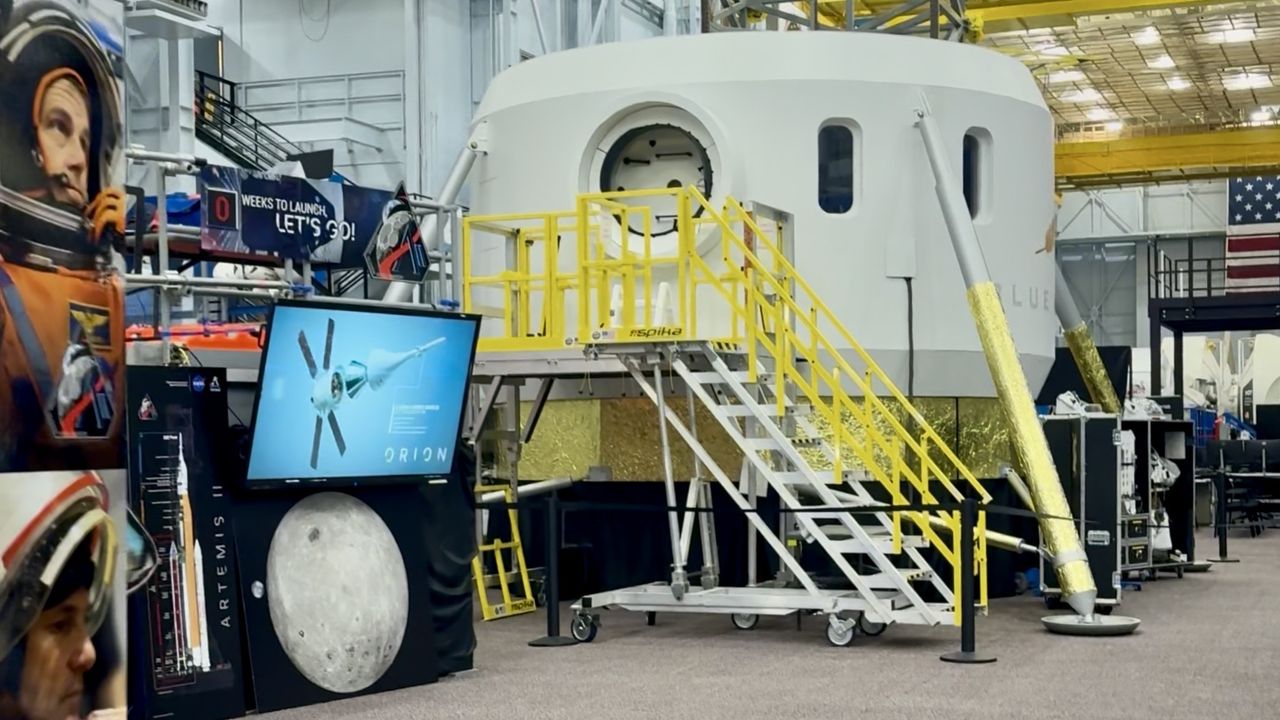
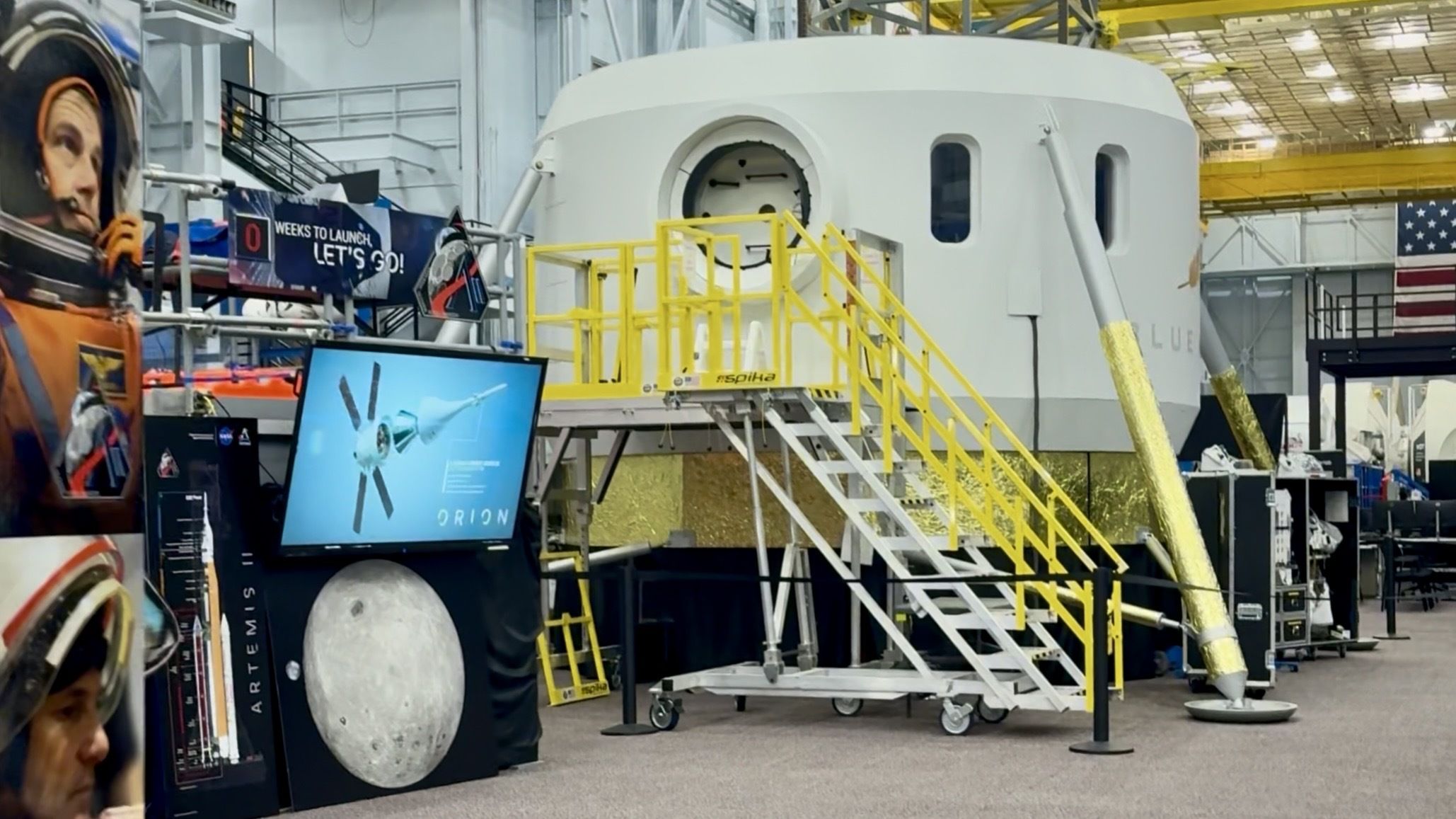
Blue Origin has taken a significant step forward in preparing for humanity's return to the Moon. A full-scale mockup of the Blue Moon Mark 2 lunar lander has been assembled at NASA's Johnson Space Center (JSC) in Houston, Texas. This mockup is now ready for Artemis astronauts to climb aboard and begin realistic training exercises. The facility at JSC provides a controlled environment where astronauts can practice critical tasks, such as entering and exiting the vehicle, stowing equipment, and running through pre-landing procedures. This hands-on preparation is essential for ensuring crew safety and mission success when the actual lander touches down on the lunar surface. Below, we explore key questions about this mockup and its role in the Artemis program.
1. What is the Blue Moon Mark 2 lunar lander mockup?
The Blue Moon Mark 2 mockup is a full-scale, non-functional replica of Blue Origin's proposed lunar lander. It is designed to match the exact dimensions, hatch locations, interior layout, and external features of the actual vehicle that would carry astronauts to the Moon. Unlike a simulator, the mockup does not have working engines or electronics, but it allows astronauts to physically interact with the spacecraft's structure. This includes practicing ingress and egress, testing how they move in spacesuits around the cabin, and verifying that the lander's design supports efficient crew operations. The mockup is a critical tool for identifying potential issues with ergonomics, reach, and visibility before the real lander is built.
2. Where has the mockup been assembled and why that location?
The mockup has been assembled at NASA's Johnson Space Center in Houston, Texas. JSC is the home of the Astronaut Office, the Neutral Buoyancy Laboratory, and numerous training facilities for human spaceflight. By placing the mockup at JSC, NASA and Blue Origin ensure that astronauts can easily access it as part of their regular training regimen. The center's infrastructure also allows for the integration of the mockup with other Artemis training assets, such as virtual reality systems and mission control simulations. Additionally, JSC's proximity to the Astronaut Corps means feedback from crew members can be quickly incorporated into the lander's design and training procedures.
3. How will this mockup be used in astronaut training?
The mockup will be used primarily for hands-on crew training. Astronauts will don spacesuits or simulated equipment and practice entering and exiting the lander, a key skill for lunar surface operations. They will also rehearse interior tasks such as securing cargo, operating hatches, and positioning themselves during descent and ascent. The mockup can be tilted or placed in different orientations to simulate various landing attitudes on the Moon. Crews will run through emergency scenarios—like abort procedures or hardware malfunctions—in a safe, low-risk environment. This training ensures that when astronauts finally board the actual lander, they are intimately familiar with every physical aspect of the vehicle.
4. Why is a lander mockup important for the Artemis program?
A physical mockup is essential for the Artemis program because it bridges the gap between computer-aided design and real-world operations. While digital models are valuable, they cannot fully replicate the sensation of moving inside a tight, three-dimensional space while wearing a bulky spacesuit. The mockup allows engineers and astronauts to identify clearance, reach, and visibility problems early. It also enables inter-team coordination: mission planners, suit designers, and training instructors can all work together around a tangible object. This iterative process reduces risk and cost during later development phases. Moreover, the mockup generates public and political confidence by demonstrating tangible progress toward the goal of landing astronauts on the Moon.
5. Which astronauts will train using this mockup?
All astronauts assigned to Artemis missions that utilize the Blue Moon Mark 2 lander will train with the mockup. This includes the crew of Artemis V and subsequent missions, where Blue Origin's lander is currently scheduled to be used. However, the mockup is also available for the broader astronaut corps, allowing non-assigned crew members to gain familiarity with the vehicle. Training sessions will likely involve international partners as well, since the Artemis program includes astronauts from Canada, Japan, and other nations. By exposing multiple crews to the mockup, NASA and Blue Origin ensure that the lander's design accommodates a wide range of body sizes and spacesuit configurations, preparing the ground for a more inclusive lunar exploration.
6. What are the key features of the Blue Moon Mark 2 lander?
Blue Moon Mark 2 is designed to deliver humans and cargo to the lunar surface. Key features include a large, pressurized crew cabin that can accommodate two to three astronauts, with ample room for science experiments and life support systems. The lander uses liquid hydrogen and oxygen propulsion for high efficiency, and it incorporates advanced navigation and landing technologies for precise touchdowns near polar regions. The mockup replicates the lander's hatch dimensions and interior layout, including stowage areas, control panels, and viewing windows. Training on the mockup helps astronauts become familiar with these features, such as locating seat straps, opening emergency hatches, and configuring the cabin for different mission phases. The design emphasizes crew safety and operational flexibility, supporting both short-duration sorties and longer stays on the Moon.
Related Articles
- 8 Crucial Facts About the SpaceX Rocket Debris Heading for the Moon
- How to Teleport a Photon State Between Quantum Dots Over 270 Meters: A Step-by-Step Guide
- Could a Blood Test Predict Depression Before Symptoms Start?
- How to Uncover the Hidden Wiper Flaw in VECT Ransomware
- T-Mobile Activates Starlink Satellite Roaming in Canada and New Zealand, Expanding Global Coverage
- Leading Climate Scientist Warns 2026 Will Shatter Global Temperature Records
- Exploring Mars' Western Frontier: Perseverance Rover's Latest Selfie and Scientific Discoveries
- New Automated Method Pinpoints Root Causes of Failures in Multi-Agent AI Systems, Researchers Announce