YouTube Turns Your TV Into a Shopping Hub: What You Need to Know About the New Google Pay Feature
YouTube is transforming the way we watch ads on television. At its Brandcast 2026 event, the company unveiled a new "Buy with Google Pay" feature for connected TVs, allowing viewers to purchase products directly from advertisements without leaving the screen. This move could make shopping more convenient but also raises concerns about ad intrusiveness. Below, we answer key questions about this development.
What exactly is YouTube's new "Buy with Google Pay" feature?
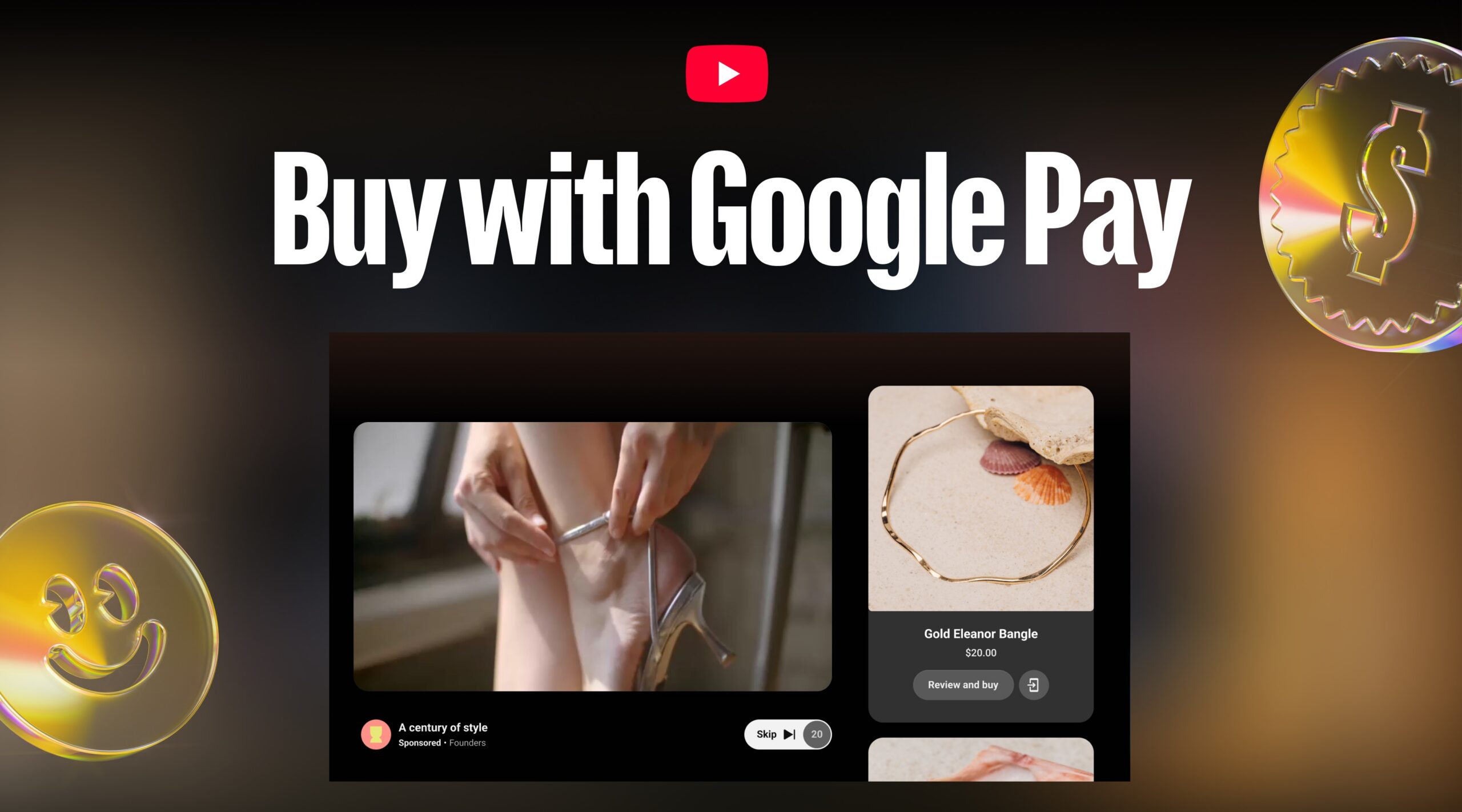
Announced during Brandcast 2026, this feature lets users buy products shown in YouTube ads on their connected TV screens directly through Google Pay. Instead of needing to grab a phone or laptop to complete a purchase, viewers can click a button on their TV remote to open a checkout window, select payment options stored in their Google Pay account, and confirm the order—all in just two clicks. The goal is to shorten the gap between seeing an ad and making a purchase, turning the television into a seamless storefront.
How does the shopping process work on a connected TV?
When you see an ad with the shopping feature on your TV, you'll see a "Buy with Google Pay" prompt. After clicking it with your remote, a small overlay appears on the screen showing the product details, price, and available sizes or colors. You select your preferences, and the payment is processed using the default card saved in your Google Pay account. There is no need to enter card numbers or shipping addresses each time—Google Pay stores that information securely. The entire transaction takes about 15–20 seconds, and the order confirmation appears on the TV screen. You can then continue watching your video without interruption.
What are the main benefits for consumers?
The biggest advantage is convenience. Traditionally, seeing a product in a TV ad meant you'd have to search for it online later, often forgetting about it. Now you can buy instantly while the item is fresh in your mind. This reduces friction and impulse purchases become effortless. Additionally, because Google Pay stores your payment and shipping details, you don't need to re-enter information for each purchase. For viewers who frequently shop from ads, this could save time and reduce cart abandonment. However, it may also encourage more impulse buying, which some consumers might find financially risky.
Could this feature make YouTube ads more intrusive?
Yes, there is a real risk. Critics worry that adding a direct purchase button to ads will make them feel more aggressive than before. Instead of just interrupting your content, ads now actively solicit a transaction. Viewers might feel pressured to buy or annoyed by the additional on-screen prompts. YouTube has said that the feature will be optional and only appear on eligible ads, but the line between helpful convenience and intrusive selling is thin. Some users may prefer the old model of just watching an ad and moving on. The company will need to balance monetization with user experience to avoid alienating its audience.
Is the shopping feature available worldwide?
At launch, YouTube is rolling out the "Buy with Google Pay" feature in select countries where Google Pay is widely accepted and connected TV usage is high. Initially, it will be available in the United States, the United Kingdom, Canada, and a few other markets. Expansion plans depend on regulatory approvals and partnerships with advertisers. YouTube has also noted that only ad campaigns that meet specific guidelines will be eligible to use the shopping functionality. So not every ad you see will have the purchase option—at least not yet.
How does Google Pay simplify the checkout process?
Google Pay already allows users to store multiple credit/debit cards, shipping addresses, and even loyalty program details in one secure digital wallet. With the new TV feature, when you click "Buy with Google Pay," the system automatically pulls your default payment method and shipping address. You can review them quickly on the TV screen without typing. If you need to change the address or card, you can select from saved options using the remote. The security is handled by Google Pay’s tokenization system, meaning your actual card number is never shared with the merchant. This makes the process as smooth as possible for TV-based shopping.
What does this mean for the future of TV advertising?
YouTube’s move signals a broader shift toward shoppable television. As streaming platforms compete for advertising revenue, integrating direct purchasing capabilities becomes a valuable tool. It could lead to more personalized and interactive ads, where viewers can customize products before buying. However, it also might accelerate the decline of traditional TV advertising models. Brands will likely see higher conversion rates, which could encourage more spending on YouTube ads. For consumers, the line between entertainment and e-commerce will blur further, making the TV a more active shopping device rather than a passive viewing screen. Ultimately, this feature could redefine how we interact with advertisements at home.
Related Articles
- Unveiling Digital Complexity: How GitHub Innovation Graph Data Reveals Economic Insights
- 10 Steps to Fix Bad Web Design: An Accessibility Proposal
- 10 Key Insights Into WhatsApp's Liquid Glass Redesign for In-Chat Interface
- Mastering Photoshop's On-Device AI Remove Tool: A Complete Guide to Version 27.7
- React Native 0.82 Kills Legacy Architecture – Full Transition to New Framework Begins
- HarmonyOS Hits 55 Million Devices: What It Means for Huawei and Open Source
- 10 Essential Truths About Being a Creative
- Kubernetes v1.36 'Haru' Delivers 70 Enhancements Across Stable, Beta, and Alpha