Uncovering Ancient Dentistry: A Step-by-Step Guide to Analyzing a 60,000-Year-Old Neanderthal Drilled Tooth
Introduction
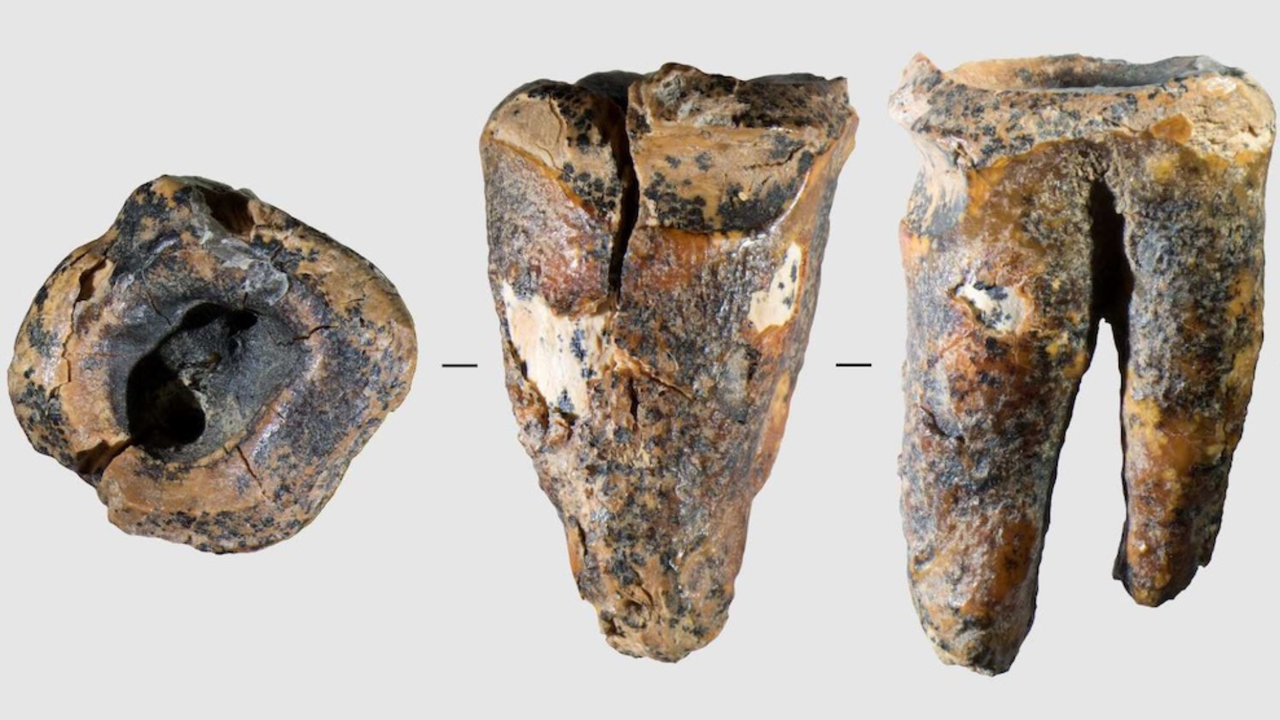
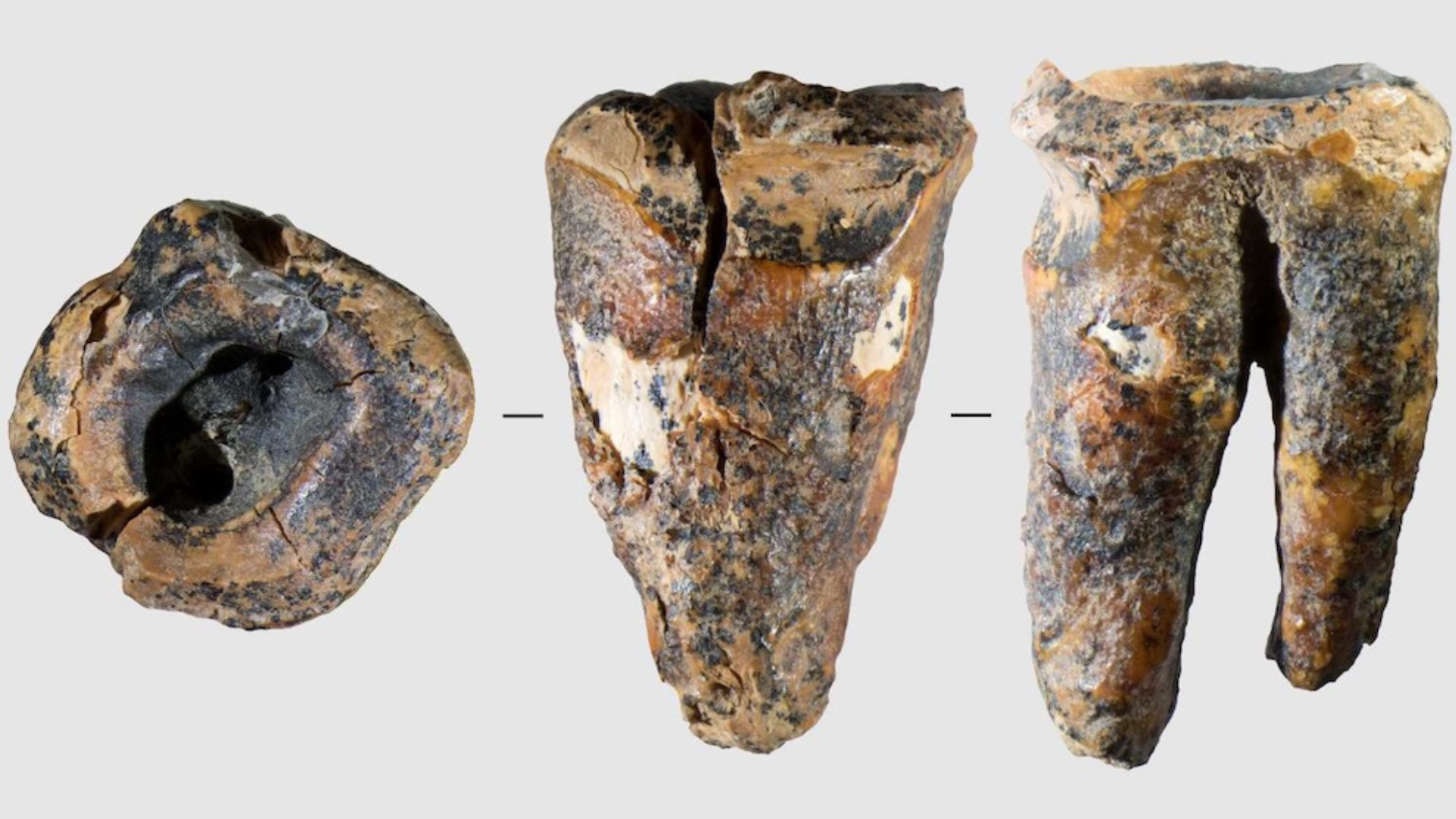
In a remarkable archaeological find, researchers discovered a 60,000-year-old Neanderthal tooth with a perfect hole, likely drilled using a stone tool. This discovery provides the earliest evidence of intentional dentistry, pushing back the timeline of human medical practices by tens of thousands of years. This guide will walk you through the process of analyzing such a find, from initial identification to scientific interpretation. Whether you're a student, a professional archaeologist, or simply fascinated by ancient history, these steps will help you understand how experts piece together the past.
What You Need
- A well-preserved Neanderthal tooth specimen (or high-resolution 3D scan)
- Digital microscope (at least 100x magnification) or scanning electron microscope (SEM)
- Micro-CT scanner for internal imaging
- Stone tool replication kit (e.g., flint, obsidian, and a wooden handle)
- Experimental replication tools for drilling tests
- Reference collection of ancient dental wear patterns
- Radiocarbon dating equipment or access to a lab
- Statistical software for comparative analysis
- Peer-reviewed literature on Neanderthal behavior and dental anthropology
Step-by-Step Guide
Step 1: Secure and Document the Specimen
First, obtain the tooth from a reputable source, such as a museum or excavation site. Ensure it has been properly cleaned and stored in a climate-controlled environment. Use a digital camera and 3D scanner to create high-resolution images and models. Document the tooth's origin, including its stratigraphic context and associated artifacts. This baseline data is critical for later steps.
Step 2: Perform Macroscopic Examination
Examine the tooth under a low-power digital microscope (10x–50x) to identify any surface modifications. Look for circular or oval depressions, striations, or polish—all signs of human intervention. In the case of the Siberian Neanderthal tooth, a 0.5 mm hole was visible, perfectly circular, suggesting it was not caused by natural erosion or animal gnawing. Note the location (e.g., root vs. crown) and dimensions.
Step 3: Conduct Microscopic Analysis
Use a scanning electron microscope (SEM) to examine the hole at higher magnifications (100x–5000x). This reveals micro-scratches and the characteristic pattern of a drill motion—parallel grooves with a central pivot point. Compare these marks with known tool marks from experimental archaeology. Document all findings with photographs and EDX (energy-dispersive X-ray spectroscopy) if possible, to check for tool residue.
Step 4: Micro-CT Scanning
Non-invasive micro-CT scanning provides a 3D reconstruction of the internal structure. This helps identify whether the hole was made before or after death (antemortem vs. postmortem). In the Neanderthal tooth, the hole shows signs of healing or wear around the edges, indicating it was drilled while the individual was alive. The scan can also reveal if the tooth had any associated abscess or infection, supporting the dental treatment hypothesis.
Step 5: Radiocarbon Dating
Submit a small sample (if permitted) for radiocarbon dating to confirm the age. The Siberian tooth was dated to 60,000 years ago using this method. If direct dating is not possible due to conservation concerns, contextual dating of associated sediments or charcoal can provide a reliable proxy.
Step 6: Experimental Replication
Recreate the drilling technique using stone tools similar to those available to Neanderthals. Use flint or obsidian points mounted on wooden handles to drill into fresh animal teeth (or synthetic analogues). Compare the resulting marks with the original hole. This step helps confirm that the tooth was indeed drilled, not caused by natural processes. The Neanderthal drill likely used a rotational motion, producing the same concentric marks.
Step 7: Comparative Analysis
Compare the tooth with other known examples of ancient dentistry, such as the 9,000-year-old drilled molars from Pakistan. Such comparisons highlight the uniqueness of the Siberian find—it predates all previously known dental procedures by over 50,000 years. Use statistical tools to assess the likelihood of natural vs. anthropogenic origin.
Step 8: Interpret and Publish
Synthesize all data to form a coherent interpretation. The drilled tooth suggests Neanderthals had knowledge of tooth extraction or caries treatment. Write a research paper detailing methods, results, and implications. Include high-quality figures and a discussion on how this discovery changes our understanding of Neanderthal cognition and culture. Submit to a peer-reviewed journal.
Tips for Success
- Always use non-destructive methods first to preserve the specimen for future research.
- Collaborate with experimental archaeologists who specialize in lithic technology—they can help replicate ancient tools.
- Consider ethical implications of handling human remains; ensure proper permissions and cultural sensitivity.
- Keep detailed records of every step, including metadata on imaging settings and experimental conditions.
- Be aware of confirmation bias—the evidence for intentional drilling must be compelling enough to exclude natural mimics like parasitic pits or post-depositional damage.
- Use multiple lines of evidence: a single trait (e.g., hole shape) is not enough; combine microscopic, experimental, and contextual data.
Related Articles
- Fast16: The Stealthy Sabotage Malware That Preceded Stuxnet
- Replit CEO Amjad Masad on Cursor's $60B Acquisition Talks, Apple Tensions, and Why Independence Matters
- How Lightning Forms: A Step-by-Step Explanation Based on Latest Research
- Musk's Terafab Project: $55 Billion Semiconductor Facility in Rural Texas Could Reach $119 Billion Investment
- Cosmic Inflation Crisis: Physicists Question Foundation of Universe's Origin
- Artemis II: How Laser Communications Will Transform Space Views
- Apple TV+ Orders New Action Thriller Series Starring James Marsden from 'Iron Man' Writers
- Why a Lifetime Cloud Storage Plan Could Save You from Monthly Fees