How Plants Master the Art of Photosynthetic Balance: A Step-by-Step Guide
Introduction
Photosynthesis is a high-wire act. Plants must capture sunlight for energy, yet the sun's intensity can swing from a gentle dawn glow to a blistering midday blast in seconds. Too little light starves the plant; too much damages its delicate machinery. To survive, plants have evolved a hidden mathematical dance — a series of finely tuned adjustments that keep their photosynthetic engines running smoothly. This guide walks you through the steps plants take to regulate their energy intake, protect themselves from harm, and optimize every photon. By understanding these processes, you'll gain a deeper appreciation for the cellular choreography happening inside every leaf.
What You Need
- Sunlight (variable intensity photon source)
- Chloroplasts (organelles containing thylakoid membranes)
- Photosynthetic pigments (chlorophyll a, b, carotenoids)
- Photosystem II and I (protein complexes for light absorption)
- Electron transport chain (cytochromes, plastoquinone, ferredoxin)
- ATP synthase (enzyme for ATP production)
- Calvin cycle enzymes (RuBisCO, etc.)
- Non-photochemical quenching (NPQ) proteins (e.g., PsbS, zeaxanthin)
- Chloroplast movement machinery (actin filaments, myosin)
Step-by-Step Instructions
Step 1: Capture Photons with Variable Efficiency
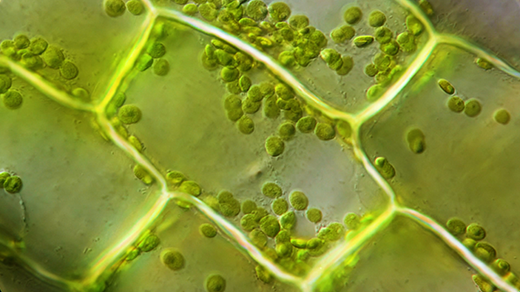
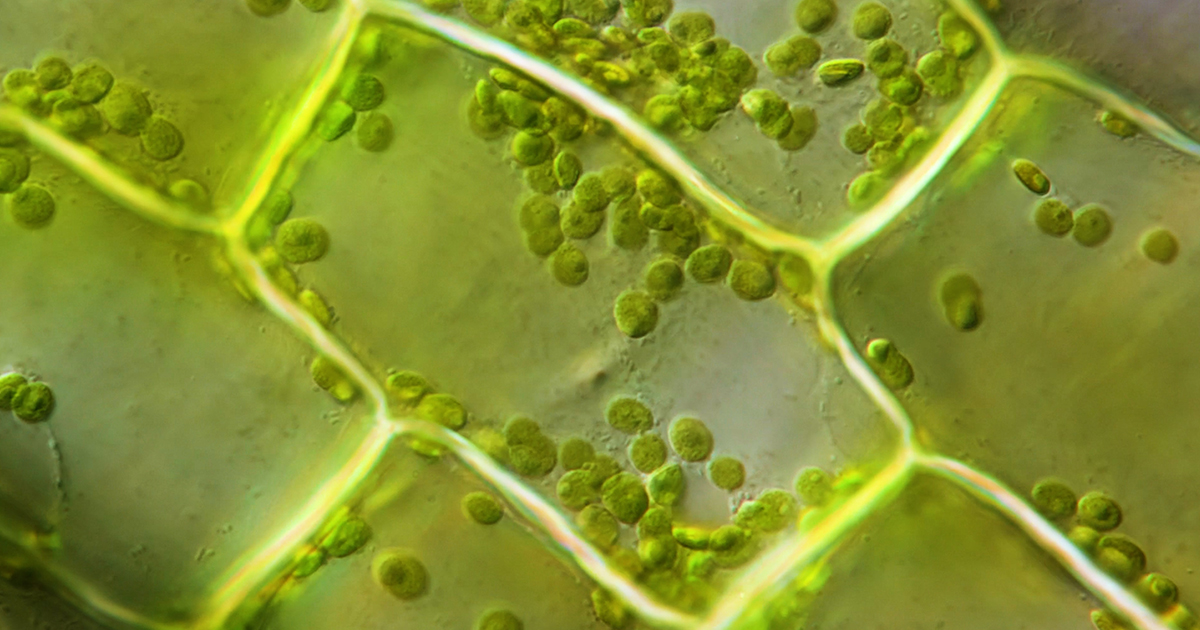
The first step is harvesting light. Under low light, plants maximize absorption by spreading their chloroplasts along the cell surfaces. Under high light, they move chloroplasts to the sides to avoid overexposure. This movement, driven by actin filaments, is a rapid mechanical adjustment. The plant's antenna complexes (light-harvesting complexes) also change their size and arrangement. For example, in low light, additional peripheral antenna proteins bind to photosystem II to catch more photons. In high light, some antenna proteins detach to reduce absorption. This step is critical because even a single photon can trigger a cascade of electrons.
Step 2: Regulate Energy Transfer in the Antenna
Once photons are absorbed, their energy must be transferred safely to reaction centers. The plant uses a process called non-photochemical quenching (NPQ) to dissipate excess energy as heat. Specifically, the pH gradient across the thylakoid membrane signals high light. Protons accumulate inside the thylakoid lumen, activating the PsbS protein. PsbS triggers a conformational change in antenna complexes, promoting the conversion of violaxanthin to zeaxanthin. Zeaxanthin acts as a molecular "release valve," absorbing extra energy and releasing it as heat. This prevents the reaction centers from becoming overloaded.
Step 3: Balance the Electron Transport Chain
After light energy excites electrons in photosystem II, they travel through the electron transport chain. Under fluctuating light, the plant must avoid over-reducing the plastoquinone pool. It does this through cyclic electron flow around photosystem I. In this step, electrons cycle back to the cytochrome b6f complex rather than reducing NADP+. This generates additional ATP while balancing the electron supply. The plant also adjusts the ratio of linear to cyclic flow based on the redox state of the cell. A key regulatory protein is PAM (Photosynthetic Acclimation) – not to be confused with pulse amplitude modulation – actually the THF1 protein and others that monitor the status of the thylakoid.
Step 4: Protect the Reaction Centers from Photoinhibition
If light becomes too intense, the plant must protect photosystem II (PSII) from damage. It does this by repairing damaged proteins and increasing turnover of the D1 protein. Simultaneously, the plant upregulates antioxidant enzymes like superoxide dismutase and ascorbate peroxidase to neutralize reactive oxygen species (ROS) that form when electron transport stalls. The plant also employs state transitions: moving light-harvesting complexes between photosystem II and photosystem I to balance excitation. This is a fine-tuned process controlled by the phosphorylation of LHCII proteins.
Step 5: Coordinate the Calvin Cycle with Light Input
The Calvin cycle consumes ATP and NADPH produced in the light reactions. Under high light, the cycle speeds up to use up the extra energy. The plant regulates key enzymes like RuBisCO activase and glyceraldehyde-3-phosphate dehydrogenase through thioredoxin reduction. Light triggers the ferredoxin-thioredoxin system, which activates cycle enzymes. Conversely, in low light, the cycle slows down. The plant also adjusts stomatal opening to control CO2 influx, preventing CO2 limitation when light is plentiful.
Step 6: Integrate Global Signals for Long-Term Adaptation
Beyond immediate adjustments, plants modify their gene expression over hours or days. Under prolonged high light, they produce more carotenoids, thicker leaves, and additional NPQ proteins. These long-term changes are mediated by redox signals from the chloroplast and retrograde signaling to the nucleus. The plant essentially "remembers" light fluctuations and optimizes its chloroplast structure for future conditions. This step ensures that the mathematical dance continues across changing seasons.
Tips for Observing the Dance
- Use a pulse amplitude modulation (PAM) fluorometer to measure chlorophyll fluorescence; it reveals NPQ in action.
- Watch chloroplast movement under a microscope by placing a leaf sample on a slide; you can see them shift with light direction.
- Gradual light changes are easier for plants to handle than sudden spikes; abrupt shifts can trigger photoinhibition.
- Temperature matters – high heat exacerbates light stress because it slows enzyme repair.
- Different plants have different dance moves; shade-adapted species have lower NPQ capacity compared to sun plants.
- Don't overwater – water stress closes stomata, reducing CO2 intake and making light management even more critical.
- Consider the nitrogen supply – nitrogen is needed for RuBisCO and antenna proteins, so poor nutrition limits the dance.
Final Thoughts
Plants have perfected a dynamic feedback system that juggles photon capture, electron flow, and carbon fixation. The hidden mathematical dance is a testament to evolution's engineering. By following these steps, you can better understand how plants survive and thrive in a world of unpredictable light. Whether you're a gardener, a student, or a curious observer, appreciating this dance deepens your connection to the green world around you.
Related Articles
- Linux Gaming on Steam: March's Record High and April's Measured Pullback
- Nintendo's Forgotten Gems: 10 Abandoned Franchises That Deserve a Comeback
- Battlefield 6 Season 3 Launch: A Nostalgic Nod to Battlefield 4 in New Gameplay Trailer
- Marathon’s Big Update: Guaranteed Loot Keys, 24/7 Raid Access, and Season 2 Prep
- Clint Hocking's New Studio: Build Machine Games – Q&A on His Exit from Ubisoft and Future Plans
- Honoring a Hero: 5 Key Facts About Chris Cassidy's Charity Bundle in Call of Duty
- Project Ethos: 2K's Shooter Pivots to Roguelike PvP Amidst Staff Reductions
- How to Comply with Utah's SB 73 Age Verification Law Without Overstepping Privacy