How to Explore Android 17's New 3D Emoji on Your Pixel Device: A Complete Guide
Overview
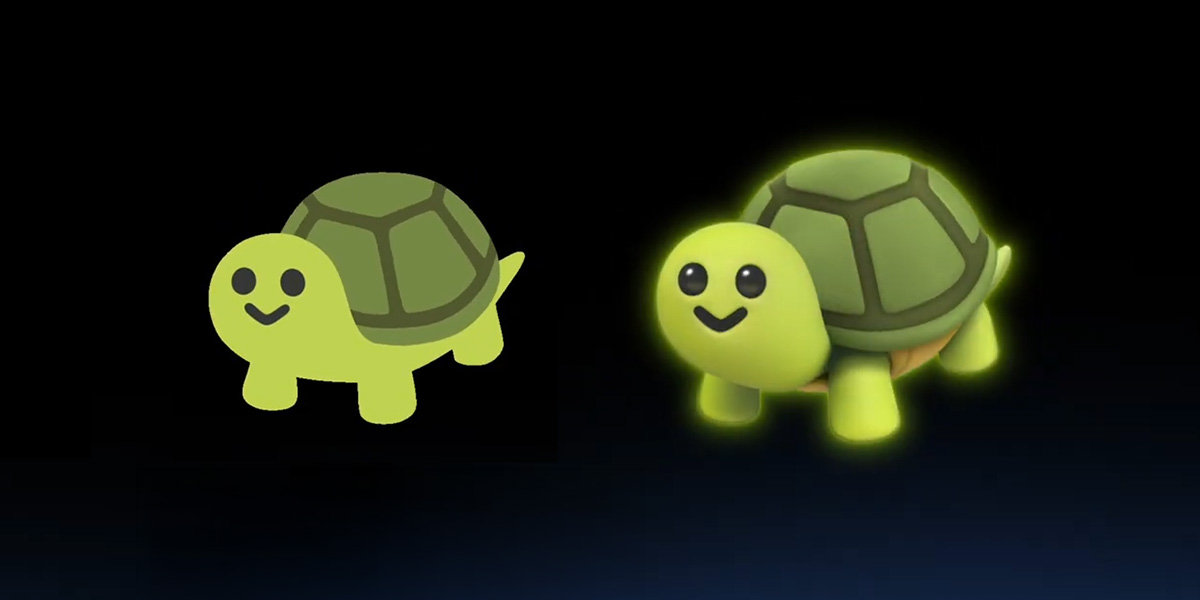
During The Android Show earlier this week, Google briefly highlighted a significant visual refresh coming to Android 17: a completely redesigned set of 3D emoji. While the show didn’t dwell on the topic, the new designs promise a more expressive, modern look for Pixel users. This guide will walk you through everything you need to know—from ensuring your device is ready to making the most of these playful characters. Whether you’re a casual user or a developer curious about implementation, you’ll find practical steps and tips below.
Prerequisites
Before diving in, you’ll need the following:
- A compatible Pixel device – The new 3D emoji debut exclusively on Pixel phones running Android 17. Models like the Pixel 6 and newer are expected to support them.
- Android 17 OS – The emoji set is baked into the system image. Ensure your device has received the Android 17 update (available via Settings > System > System update).
- Internet connection – Some apps may need to update their emoji rendering libraries to display the 3D versions properly.
- Optional: Developer options enabled – If you want to tweak font rendering or preview alternate emoji styles, you’ll need to activate Developer options (tap Build number seven times in About phone).
Step-by-Step Instructions
1. Check Device Compatibility
First, verify that your Pixel model is eligible. Google typically rolls out major Android versions to Pixel 6, 7, 8 series and newer. Open Settings > About phone and note the model number. If you own a Pixel 6a or later, you’re likely good to go. For older models (Pixel 5 and earlier), Android 17 support may not include the 3D emoji due to hardware limitations.
2. Update to Android 17
The 3D emoji are part of Android 17’s system UI. To get them:
- Go to Settings > System > System update.
- Tap Check for update. If Android 17 is available, follow the on‑screen prompts to download and install.
- After rebooting, confirm the version: Settings > About phone > Android version should show “17”.
3. Access the New Emoji Set
The new 3D emoji are automatically enabled once Android 17 is installed. No separate switch exists—they replace the previous flat design system‑wide. To see them in action:
- Open any app that uses the standard emoji picker, such as Messages or Gboard.
- Tap the emoji icon in the keyboard. You’ll notice familiar faces now appear with depth, shading, and slightly different proportions.
- For a closer look, open Settings > About phone > Android version and tap the Android logo repeatedly—the hidden emoji Easter egg will now render using the new 3D assets.
4. Using 3D Emoji in Apps
Most messaging and social media apps (WhatsApp, Telegram, Twitter) will automatically display the new 3D emoji because they rely on the system font. However, some apps may have their own custom emoji sets (like Samsung’s keyboard or Snapchat). To ensure you’re seeing the Pixel‑native 3D designs:
- Use Gboard – Google’s keyboard always respects the system emoji.
- Check app updates – If an app shows flat emoji, update it from the Play Store; developers often adapt to new system fonts quickly.
- Send a test – Type “😊👍” and send it to a friend. If they receive the 3D version, your device is rendering correctly.
5. Advanced Tips: Customization and Troubleshooting
If you’re a developer or power user, you can dive deeper:
- Font file location – The 3D emoji are stored in
/system/fonts/NotoColorEmoji.ttf. You can pull this file via ADB for analysis:
adb pull /system/fonts/NotoColorEmoji.ttf- Developer Options tweak – Go to Settings > System > Developer options > Simulate color space. This won’t change emoji, but you can verify your display’s color accuracy for the new 3D renderings.
- Force emoji refresh – If emoji appear flat after an update, clear the keyboard app’s cache: Settings > Apps > Gboard > Storage > Clear cache.
- Use a theming app – Apps like Emoji Switcher (requires root) can swap system emoji, but only the official Android 17 set will have 3D effects.
Common Mistakes
- Thinking all Pixel models qualify – Only phones that received Android 17 get the new emoji. If you’re on a Pixel 5 or earlier, you’ll see flat emoji even after updates.
- Expecting 3D emoji in third‑party keyboards – Apps like SwiftKey or Fleksy may not display the 3D versions unless they adopt the system font. Stick with Gboard for the authentic experience.
- Ignoring app compatibility – Some older apps might not render the new emoji at all, showing blank or old designs. Always keep apps updated.
- Confusing Android 17 with Pixel Feature Drop – The emoji set is part of the core OS, not a Feature Drop. If you’re on a Feature Drop but still on Android 16, you won’t see them.
- Forgetting to reboot – After updating to Android 17, a reboot ensures all system services load the new font files.
Summary
The new 3D emoji in Android 17 bring a vibrant, modern design to Pixel devices. By ensuring you have a compatible Pixel, updating to Android 17, and using system‑supported apps like Gboard, you can enjoy these expressive characters immediately. Keep apps updated and remember the Easter egg—tap the Android version repeatedly! If you encounter issues, a cache clear or reboot often resolves them. Ready to share your thoughts? Cast your vote in the original poll and tell Google what you think of the new look.
Related Articles
- How to Analyze Earnings Reports for Supply-Demand Dynamics: A Case Study of iPhone 17
- Unlock Your Amazon Fire Tablet: Mastering Fire Toolbox for Google Play, Custom Launchers & More
- Unified Runtime: .NET MAUI Embraces CoreCLR in .NET 11
- Building VR Apps with React Native on Meta Quest: A Comprehensive Guide
- iOS 27 Safari Tab Management: 6 Key Questions Answered
- 10 Engineering Secrets for Building a High-Performance Telegram Download Engine
- Swift on Windows Gets a Dedicated Workgroup: 6 Things Developers Need to Know
- From Idea to App in 10 Minutes: A 20-Day Flutter & Antigravity Challenge Guide