Coal Aerosols Rob Solar Farms of Hundreds of Terawatt-Hours, Landmark Study Reveals
Coal Pollution Silently Sabotaging Solar Power Output
A groundbreaking study from researchers in the UK has quantified a hidden cost of coal-fired electricity: its airborne pollution dramatically reduces the productivity of solar farms worldwide. The team found that aerosols, both natural and man-made, cut solar panel efficiency by hundreds of terawatt-hours each year—a significant portion of which is directly attributable to coal combustion.
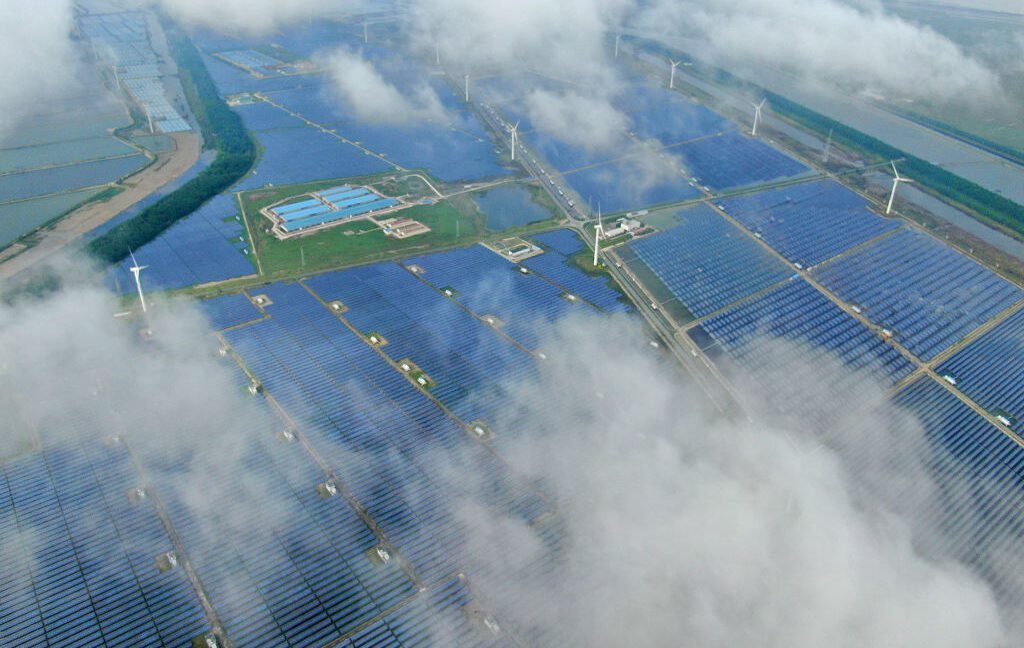
“The scale of the loss is staggering,” said Dr. Emily Hartfield, lead author of the study at the University of Cambridge’s Energy Institute. “We’ve long known coal harms human health, but now we see it’s also undercutting the clean energy transition by blocking sunlight from reaching solar panels.”
Methodology: Satellite Sweep and AI Analysis
The research team built a first-of-its-kind global inventory of solar facilities by combining known databases, crowdsourced locations, and advanced AI analysis of satellite imagery. They then cross-referenced this with precise weather and aerosol data to estimate actual versus potential power generation.
“Our approach allowed us to attribute losses not just to weather, but specifically to particulate pollution from coal plants,” explained co-author Dr. James Okafor, a data scientist at Imperial College London. “The impact is far larger than previously assumed.”
Background: The Dual Cost of Coal
Coal is the most carbon-intensive fuel, emitting more CO2 per unit of energy than oil or gas. Beyond greenhouse gases, it releases sulfur dioxide, nitrogen oxides, and fine particulate aerosols—tiny particles that scatter and absorb sunlight. These aerosols are known to cause respiratory illness, acid rain, and long-term environmental damage.
Health advocates have long argued that replacing coal with renewables yields massive net benefits. But the new research adds a second, previously uncalculated cost: lost solar generation. The study estimates that global solar output could be 5–10% higher without coal-related aerosols, depending on regional pollution levels.
What This Means for Energy Policy
The findings carry urgent implications for countries aiming to meet climate targets while expanding solar capacity. Planners may need to factor local coal pollution into expected solar yields—and accelerate coal phaseouts to protect solar investments.
“This isn’t just about health trade-offs anymore,” said Dr. Hartfield. “Coal pollution physically diminishes the very renewable resource we’re trying to scale up. The policy case for retiring coal plants just became even stronger.”
Energy analysts note that the effect is especially pronounced in regions with high coal use and heavy solar buildout, such as China, India, and parts of the United States. Retrofitting coal plants with scrubbers can reduce some aerosols, but the study suggests the most effective remedy is replacing coal with cleaner sources.
Next Steps: Research and Action
The team plans to refine their model with real-time pollution data from ground sensors and expand the analysis to include other fossil fuels like oil and gas. They also call for integration of aerosol effects into solar resource assessments used by governments and investors.
“We need to stop thinking of energy sources in isolation,” Dr. Okafor concluded. “The future of solar power is not just about technology or weather—it’s deeply connected to how we generate electricity elsewhere.”
Related Articles
- How to Get the Most Out of Your INIU SnapGo Air 25W Magnetic Power Bank
- Lessons from the 1970s Oil Shocks: What a Strait of Hormuz Blockade Means for Global Energy
- 10 Must-See Desktop Wallpapers for May 2026: A Fresh Perspective
- How to Save Big on Electric Bikes and Scooters This Week: A Step-by-Step Guide to the Best Deals
- How Chinese EV Makers Can Secure a European Factory: A Step-by-Step Guide
- Flutter and Dart Unify Web Presence: All Official Sites Now Built with Jaspr Framework
- UK Car Industry Exceeds EV Targets Despite Claims of Weak Demand
- Rivian R2 Configurator Goes Live Early: Performance Trim Priced at $57,990, Undercuts Tesla Model Y