The Choline-Anxiety Connection: How a Nutrient Gap May Affect Your Brain
Recent research has uncovered a potential link between anxiety disorders and a deficiency in brain choline levels. By analyzing a large number of brain scans, scientists identified that individuals with anxiety disorders tend to have noticeably lower concentrations of choline, a key nutrient for brain health. The most significant findings were observed in the prefrontal cortex, an area responsible for emotional regulation and decision-making. This discovery marks the first clear chemical brain pattern associated with anxiety, opening the door to possible nutrition-based interventions. Below, we explore key questions about this groundbreaking study.
What specific chemical deficit did researchers find in the brains of people with anxiety?
Researchers conducted a major analysis of brain scans and found that individuals diagnosed with anxiety disorders have significantly lower levels of choline compared to those without anxiety. Choline is an essential nutrient that plays a critical role in maintaining healthy brain function, particularly in neurotransmitter synthesis and cell membrane integrity. The study is notable because it identifies a consistent chemical difference in the brain associated with anxiety, something that had not been clearly demonstrated before. The deficit was most prominent in the prefrontal cortex, a region heavily involved in emotional control and decision-making. This finding suggests that a lack of choline could contribute to the dysregulation of these cognitive functions, potentially fueling anxiety symptoms.
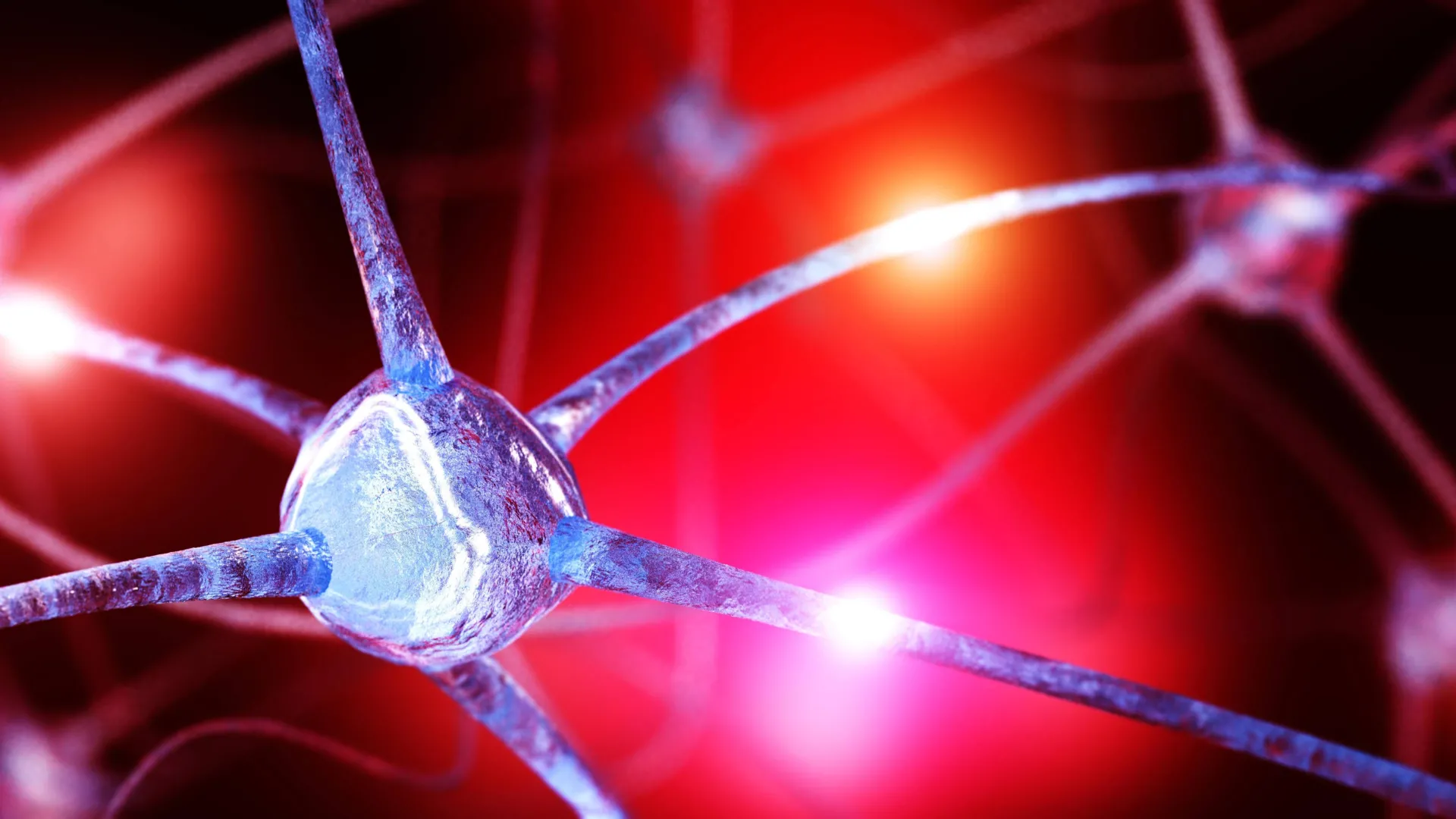
Why is the prefrontal cortex particularly important in this context?
The prefrontal cortex (PFC) is the brain region most strongly linked to the choline deficit found in the study. This area acts as the brain's executive center, overseeing emotional regulation, impulse control, and complex decision-making. In anxiety disorders, the PFC often shows reduced activity or altered connectivity, making it harder for a person to calm down or reframe anxious thoughts. The discovery that choline levels are notably low in the PFC of anxious individuals provides a biological clue: without enough choline, the PFC may not function optimally, leading to heightened emotional responses and difficulty managing stress. This finding also aligns with previous research that links choline to the production of acetylcholine, a neurotransmitter essential for focus and memory.
What role does choline normally play in brain health?
Choline is a vital nutrient that supports multiple brain functions. It is a precursor to acetylcholine, a neurotransmitter critical for learning, memory, and muscle control. Additionally, choline is a key component of cell membranes and helps maintain the structural integrity of brain cells. It also contributes to the synthesis of phosphatidylcholine, a major lipid in brain tissue that facilitates cell-to-cell communication. Furthermore, choline is involved in the methylation cycle, which regulates gene expression and reduces homocysteine levels. A deficiency can impair neural signaling, slow cognitive processing, and compromise emotional stability. Since the body produces only small amounts, most choline must come from dietary sources such as eggs, liver, soybeans, and cruciferous vegetables.
How might this discovery lead to new treatments for anxiety?
Researchers suggest that this finding could pave the way for nutrition-based interventions to help manage anxiety. If low choline levels are indeed a contributing factor, then increasing dietary choline or using supplements might support brain chemistry and reduce symptoms. However, scientists emphasize that more research is needed to confirm whether boosting choline can directly alleviate anxiety. Potential treatments could include personalized dietary plans, choline-rich meal recommendations, or targeted supplementation under medical supervision. This approach would represent a shift from purely pharmaceutical treatments toward a more holistic, nutrient-focused strategy. It also raises the possibility of using brain scans to identify individuals at risk for choline deficiency, enabling early prevention.
Is this choline deficit a cause of anxiety or just a correlation?
The study identifies a clear association between low choline levels and anxiety disorders, but causation has not yet been established. It is possible that the deficit contributes to anxiety by impairing prefrontal cortex function. Alternatively, anxiety itself might lead to poor dietary habits, resulting in lower choline intake. There could also be a third factor, such as genetics or chronic stress, that affects both choline metabolism and anxiety risk. The researchers describe this as the first clear chemical brain pattern linked to anxiety, which provides a strong basis for future studies. To determine causality, longitudinal trials and controlled experiments are needed. Nonetheless, the finding is a significant step forward in understanding the biological underpinnings of anxiety.
What are some dietary sources of choline that could help?
If you are looking to increase your choline intake, several foods are rich sources. Egg yolks are one of the best, containing about 147 mg per large egg. Beef liver provides over 400 mg per 100 grams. For plant-based options, soybeans (tofu, edamame) and cruciferous vegetables like broccoli and Brussels sprouts are good sources. Other foods include fish (salmon, cod), chicken breast, milk, and shiitake mushrooms. The recommended adequate intake for adults is 425-550 mg per day. While a balanced diet can meet this need, some individuals may require supplementation, especially if they have conditions that impair absorption. It is important to consult a healthcare provider before making significant changes to your diet or supplement regimen.
What should people with anxiety do with this information?
While the study is promising, experts caution against self-diagnosing or immediately altering treatment plans. Anxiety disorders are complex and often require a combination of therapy, medication, and lifestyle changes. This research does suggest that nutritional status may play a role, so people with anxiety could consider evaluating their diet with a healthcare provider. Ensuring adequate choline intake from whole foods is generally safe and beneficial for overall health. However, using high-dose choline supplements without medical guidance might interact with medications or cause side effects like fishy body odor or digestive issues. The primary takeaway is to stay informed; as more studies emerge, nutrition-based approaches may become a standard part of anxiety management.
Related Articles
- The Evolution of IVF: How Technology Revolutionized Human Reproduction
- Explore Space This Summer: NASA STEM Activities and Career Events
- Massive Hellboy Comic Collection Bundled at Record Low Price – Over 100 Digital Issues for $35
- Massive Asteroid 2026 JH2 to Skim Earth on Monday—Live Stream Available
- Kimchi Bacteria Discovered to Bind Microplastics in Gut, Preventing Organ Buildup
- The Secret Survival Strategies of Squid and Cuttlefish
- Lightning's Elusive Spark: New Research Challenges Decades of Assumptions
- How to Choose and Use a Minimalist Fitness Tracker Without Getting Misled by AI