UK Slips from Top Spot as Green Climate Fund Donor After Halving Pledge
The Changing Landscape of Climate Finance
The United Kingdom has lost its position as the leading donor to the United Nations Green Climate Fund (GCF), after the government confirmed it would only fulfill half of its previously pledged contribution. This decision marks a significant shift in international climate finance dynamics, as the UK joins the United States as a major donor reducing its financial commitment to the fund.
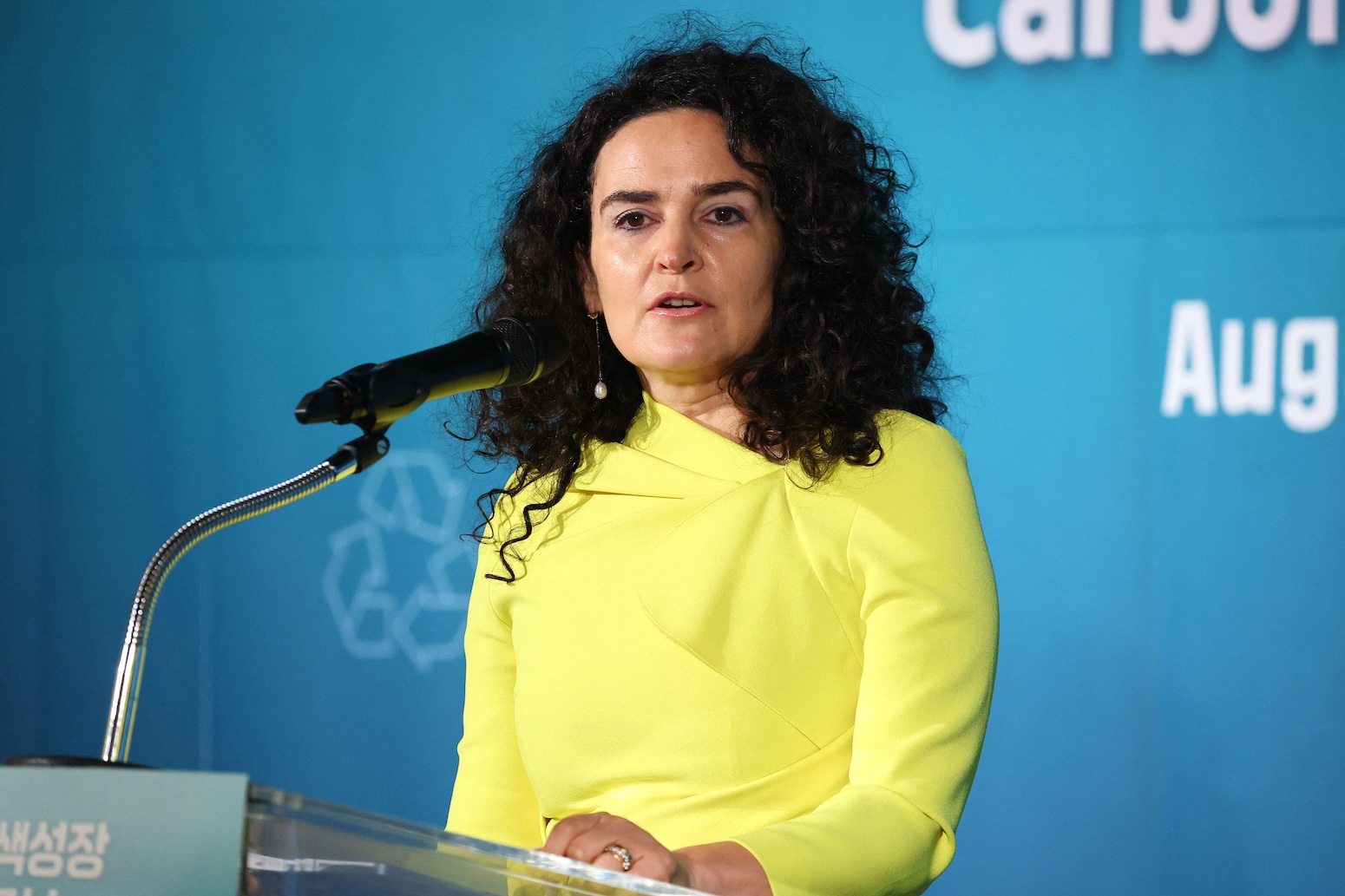
The GCF, which manages over $20 billion across 354 projects and programs in developing nations, is a cornerstone mechanism for grant-based climate finance under the Paris Agreement. The UK's cut is part of broader reductions to its climate aid budget, raising concerns that other developed countries might follow suit.
How the UK’s Contribution Fell
In May, the Labour government informed the GCF that it would reduce its commitment for the 2024–2027 period to £815 million ($1.1 billion). This is a drastic reduction from the £1.62 billion ($2.16 billion) pledged by the previous Conservative administration under Rishi Sunak, which had been hailed as "the biggest single funding commitment the UK has made to help the world tackle climate change."
That record pledge had propelled the UK to the top donor position after the Trump administration withdrew $4 billion in pledged US funds in 2025. Now, the UK's revocation leaves it as the second major donor to cancel substantial GCF funding, following the US example.
The reduction means the UK will provide approximately 45% less funding than it did during the 2019 funding round. This marks the largest reduction between funding rounds by any major donor, except for the United States. According to an email from GCF executive director Mafalda Duarte, reported by the Financial Times, the UK’s actions are “expected to have a material impact on the delivery” of the fund’s projects.
Comparison with Other Major Donors
As a result of this cut, the UK’s total past and promised contributions to the GCF now fall below those of Germany, France, and Japan. A chart tracking pledges from the top ten donors illustrates this shift clearly: the UK’s aggregate commitments have dropped significantly, bringing it out of the top tier.
The GCF relies on periodic replenishment rounds. During the second replenishment in 2023, many countries increased their pledges compared with the 2019 round. The UK had been among those that stepped up, but the latest reduction reverses that progress, leaving it behind its peers.
Implications for Developing Nations
Developed countries are obligated under the Paris Agreement to provide climate finance to help poorer nations mitigate and adapt to climate change. The GCF is a primary channel for this funding, offering grants rather than loans, which are crucial for vulnerable countries.
The UK’s decision comes as part of a broader reassessment of its aid budget, with the government aiming to "invest more in addressing growing security threats." In March, the UK announced plans to spend “around £6bn” of its aid budget on climate projects over the next three years. However, Carbon Brief analysis indicates that this spending effectively halves the UK’s annual climate finance when adjusted for inflation and previous commitments.
Maria Duarte warned that the reduction would materially affect GCF project delivery, potentially delaying initiatives in renewable energy, adaptation, and resilience building in developing countries. The loss of the UK’s top-donor status also weakens its leadership role in international climate negotiations.
Future Outlook
The UK’s cut raises fears of a domino effect among other developed nations, who may now feel less pressure to maintain or increase their contributions. The GCF had been counting on a steady scaling up of pledges to meet growing climate finance needs. Instead, the fund is experiencing a contraction from two of its largest historical donors.
With the UK stepping back, the onus now falls on countries like Germany, France, Japan, and smaller but active contributors such as Sweden and the Netherlands to fill the gap. The upcoming negotiations under the Paris Agreement’s new collective quantified goal (NCQG) on climate finance will be crucial in determining whether donor resolve holds.
For developing nations, the timing could not be worse. As climate impacts intensify, the need for predictable, grant-based finance is more urgent than ever. The UK’s action may force the GCF to scale back its ambitions, affecting millions of people reliant on climate-resilient development projects.
In summary, while the UK remains a significant donor, its downgrading from top contributor signals a worrying trend of retreat from climate finance commitments, challenging the spirit of the Paris Agreement and risking the momentum built over the past decade.
Related Articles
- How to Stay Informed on Electric Vehicle and Sustainable Transport News: A Step-by-Step Guide
- BYD's April Exports Surpass Tesla's Global Sales: A Milestone in EV Competition
- Coal Plant Extensions Under Fire: Legal Battle Could Save Indiana Ratepayers Millions
- Ancient Tree Rings Reveal Massive Solar Storm That Lit Up Medieval Skies
- Mastering the Electric Double Layer: A Guide to Molecular Switching in Energy Reactions
- May 2026 Desktop Wallpapers: Fresh Inspiration for Your Screen
- Waymo Expands Autonomous Ride-Hailing to 11 Cities, Covering 1,400 Square Miles Ahead of World Cup
- Rocsys Raises $13M to Scale Hands-Free Robotaxi Charging System