Tesla Withdraws India Manufacturing Plans, Confirms End of Multi-Year Negotiations
Tesla Abandons India Factory Plans
In a dramatic reversal, Tesla has officially confirmed it will not build a manufacturing facility in India. The decision, announced by India’s Minister of Heavy Industries H.D. Kumaraswamy on May 19, ends nearly a decade of on-again, off-again negotiations with the Indian government.
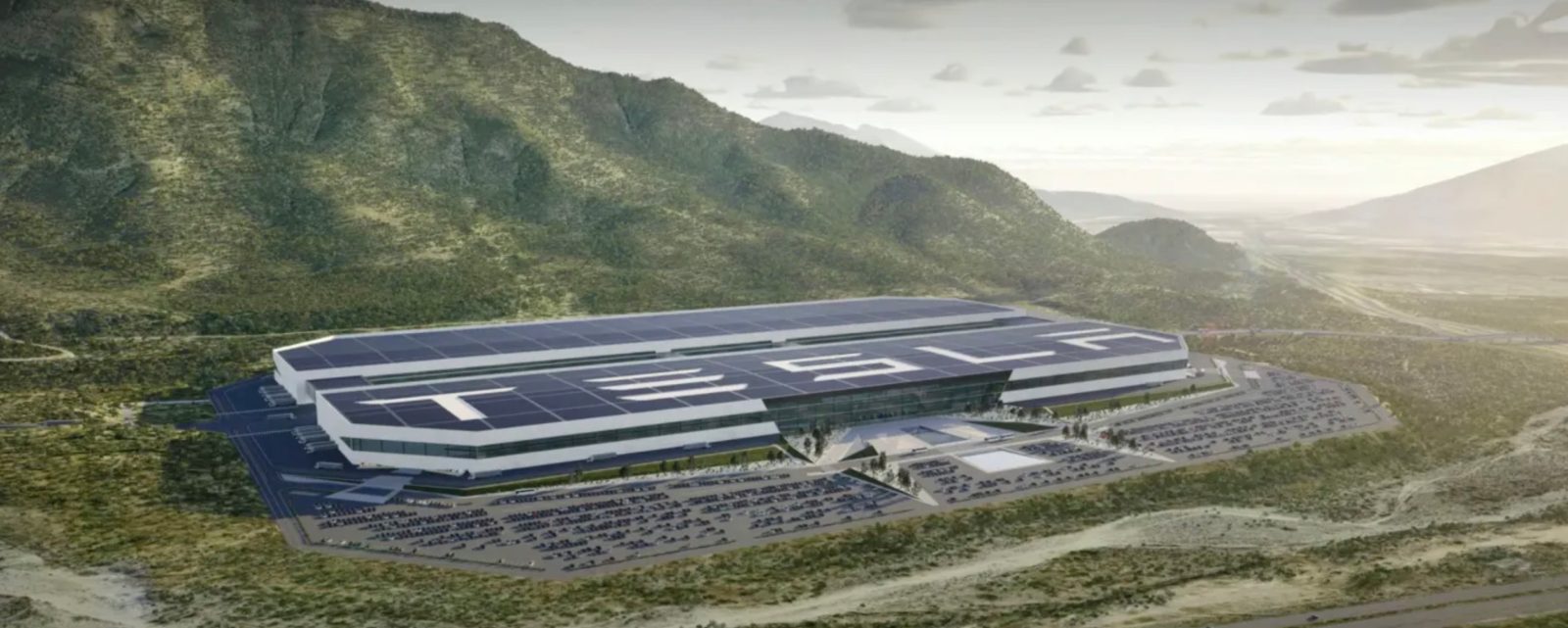
“Tesla has communicated to us that they are dropping their plans for a local factory,” Kumaraswamy said in a statement. “We were ready to offer incentives, but the company cited uncertainty about market demand policy.”
Background
The U.S. electric vehicle giant entered talks with India in 2015. Over nine years, Tesla repeatedly pledged to invest billions—only to delay or back out.
Indian officials had hoped Tesla’s entry would boost EV adoption and create thousands of jobs. But high import tariffs and local sourcing rules became sticking points. Tesla demanded a 40% reduction in import duties on fully-built cars, which the government refused.
What This Means
India will now likely lose a marquee investment to support its goal of 30% EV sales by 2030. Domestic automakers like Tata Motors and Mahindra face less foreign competition but also lose the supply chain investment that Tesla would have brought.
“Tesla’s exit signals that India’s EV policies remain too protectionist for global players,” said Rajeev Singh, automotive analyst at IHS Markit. “Other manufacturers will watch this closely.”
Industry Reacts
The news sent TSLA shares up 0.3% in after-hours trading, as investors considered reduced capital expenditure. In India, the announcement disappointed workers in the planned factory region near Bengaluru.

“We were counting on those jobs,” said local union leader Prakash Shinde. “Now we see the consequences of policy inflexibility.”
What’s Next for Tesla
Tesla is focusing on expanding production in the U.S., Germany, and China. The company has halted all India-related hiring and will not open showrooms in the country as previously announced.
Analysts believe Tesla may still sell imported vehicles in India, but limited to a small niche due to 70-100% tariffs. CEO Elon Musk has not commented publicly since the announcement.
India’s EV Roadmap Under Scrutiny
India’s Faster Adoption and Manufacturing of Electric Vehicles (FAME) scheme has struggled to attract big-ticket foreign investment. The Tesla failure puts pressure on the government to revise its tariff structure for EV makers.
“If India wants a Tesla factory, it must change its rules,” said Vikram Sharma, senior fellow at the Centre for Socio-Economic Policy. “Otherwise, it will lose the global EV race.”
Summary
After nine years of negotiations, Tesla officially abandons plans for an India factory. Government confirms decision, blaming policy uncertainty. Impact may reshape India's EV strategy.
Related Articles
- 8 Key Insights from Flutter and Dart at Google Cloud Next 2026
- US Policy Pushes Chinese Solar Giants to Abandon Billions in American Investments
- React Native 0.85: 8 Essential Changes and How They Impact Your Workflow
- Rooftop Solar and Home Batteries Deliver Fatal Blow to Big Coal, Says Energy Chief
- Why V8 Ditched the Sea of Nodes for Turboshaft
- Massachusetts Offshore Wind Deal: 10 Key Facts About the $1.4 Billion Savings
- Home Battery Boom Forces Grid 'Turning Point' as NSW Braces for Scorching Summer
- 10 Insights from the AI-Energy Revolution: Chris Wright and Ian Buck on Powering America's Future