The $20 Temu Hard Drive Scam: When a 4TB 'HDD' Turns Out to Be a MicroSD Card in Disguise
Online marketplaces like Temu often entice shoppers with seemingly incredible deals, but as one Reddit user discovered, a $20 4TB external hard drive was too good to be true. What arrived was not a functional HDD but a crude counterfeit: a microSD card reader hot-glued inside a plastic enclosure. This Q&A explores the details, the risks, and how to avoid falling for such scams.
What did the Reddit user order, and what did they actually receive?
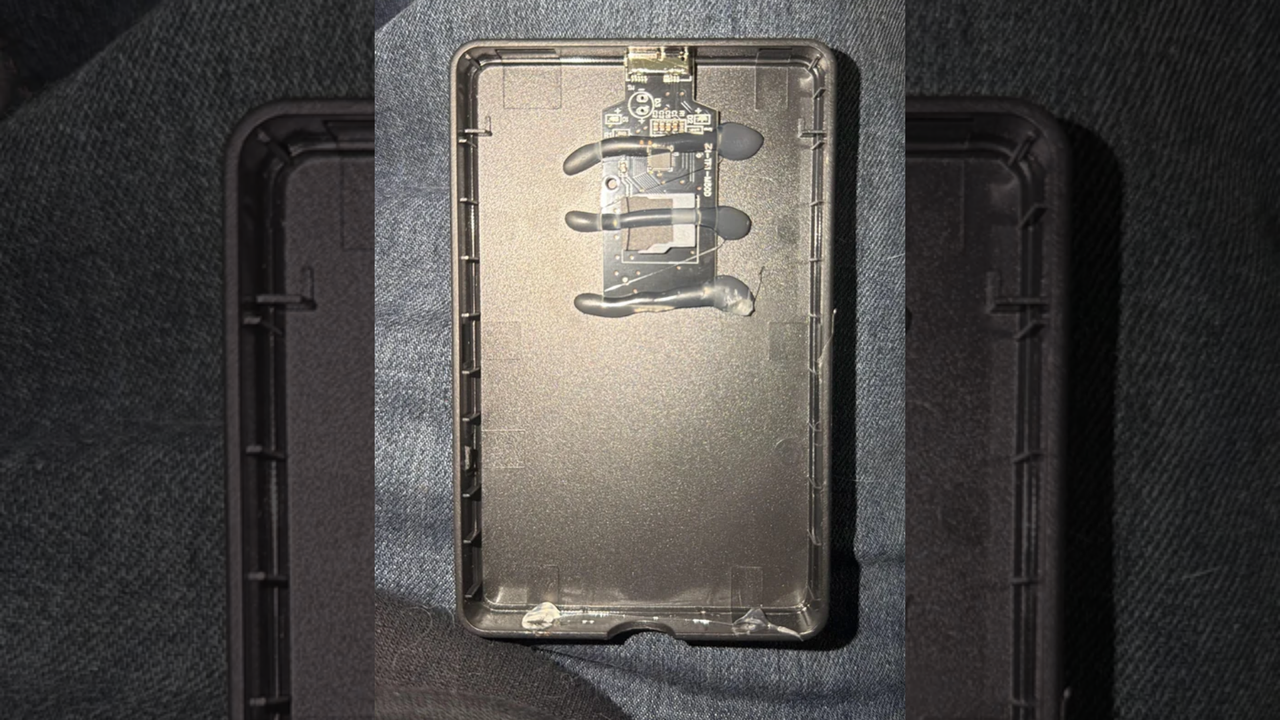
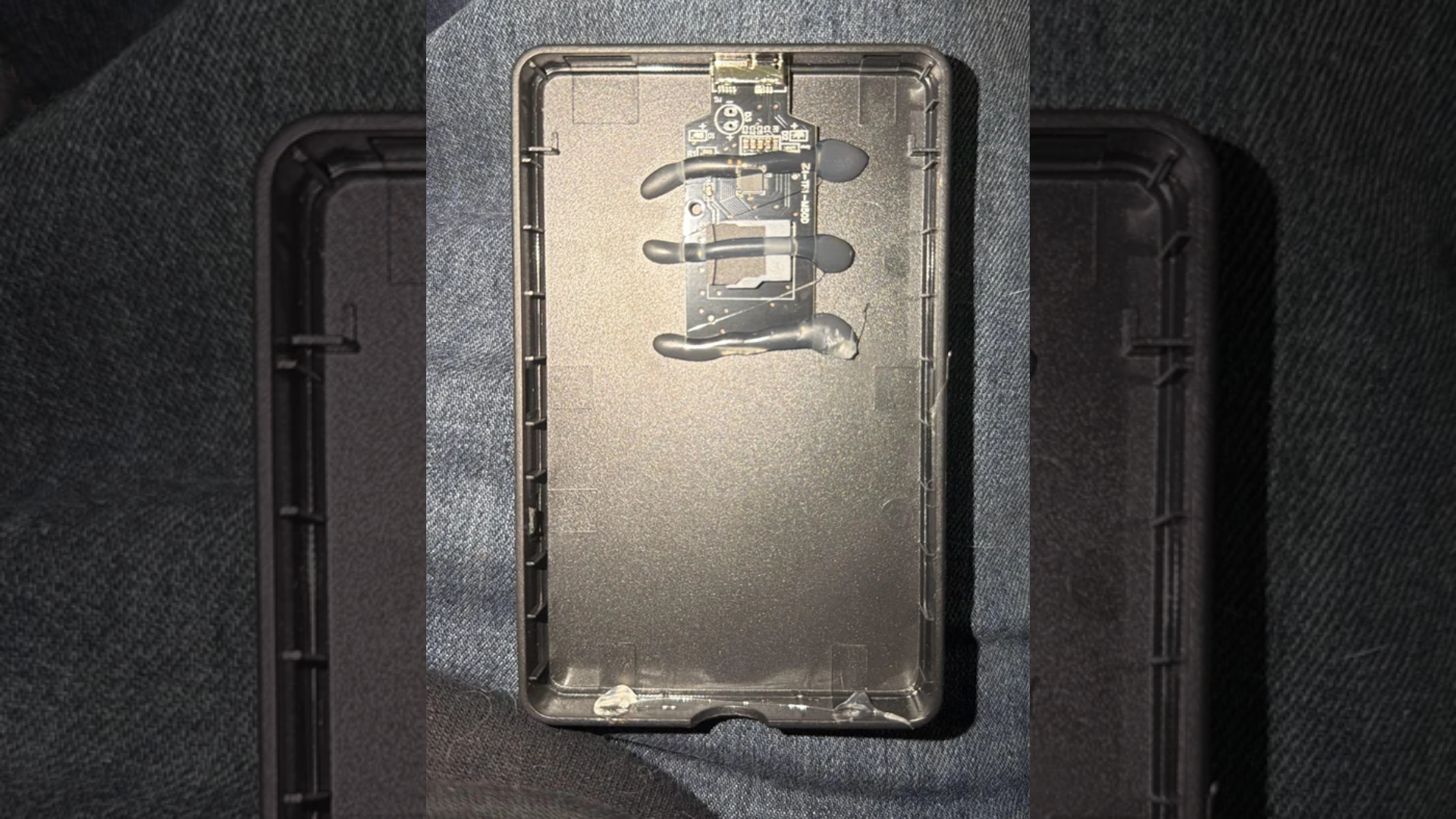
The Redditor purchased a 4TB external hard drive from Temu for just $20, expecting a reliable storage device. When the package arrived, instead of a fully assembled HDD, they found a cheap plastic case. Inside, a microSD card reader had been hot-glued to the back of the enclosure, with a small microSD card inserted. The unit had no actual hard drive mechanism—just a basic reader pretending to be a high-capacity drive. When plugged into a computer, it likely appeared as a removable storage device, but its true capacity would be far less than 4TB, often only a few gigabytes.
How did the user discover it was a fake, and what was their reaction?
The user became suspicious when the drive felt lighter than expected and showed no spinning disk sound. Upon opening the plastic case—carefully prying it apart—they found the hot-glued card reader and microSD card. Their reaction, shared on Reddit, was a mix of amusement and exasperation, as they had fully anticipated this outcome given the absurdly low price. In their post, they described the experience as a “gamble” that they lost, but they also warned others to avoid similar purchases.
What are the technical differences between a genuine external HDD and this counterfeit?
A genuine 4TB external hard drive contains a 3.5-inch or 2.5-inch HDD mechanism with spinning platters and a read/write head, offering fast sequential read/write speeds (typically 100–160 MB/s) and reliable storage for large files. The counterfeit device, however, uses a microSD card (usually 16GB or 32GB) connected to a basic USB card reader. This setup is extremely slow (often under 20 MB/s), fragile, and cannot actually hold 4TB of data. When the card’s real capacity is exceeded, the drive may corrupt files or display false storage information.
Is this type of scam common on platforms like Temu or AliExpress?
Yes, such scams are relatively common on budget-focused marketplaces. Sellers list products at extremely low prices—like a 4TB HDD for $20—to attract bargain hunters. They rely on the fact that many buyers will not test the product thoroughly or will be too embarrassed to request a refund. These counterfeit devices often use fake firmware to report inflated capacity in the operating system. Reputable platforms like Amazon and Newegg have stricter seller verification, but even there, third-party listings can be risky. Reddit and review sites frequently document similar scams involving USB flash drives and memory cards sold under false capacities.
What steps can consumers take to verify the authenticity of an external hard drive before purchasing?
- Check the price: If a 4TB HDD costs far less than the market average (around $80–120), it’s almost certainly a scam.
- Read reviews: Look for verified purchase reviews, especially photo or video evidence of the product.
- Examine seller history: On platforms like Temu, new sellers with no track record are riskier.
- Use validation tools: After buying, run software like H2testw or FakeFlashTest to check real capacity.
- Inspect physical build: A genuine drive feels substantial (especially 3.5-inch models) and has proper ventilation and branding.
What are the consequences of using such a counterfeit storage device for important data?
Using a counterfeit drive for important files is extremely risky. Since the microSD card inside is not designed for continuous high-capacity writes, it may fail suddenly, causing data loss. Additionally, because the reported capacity is false, files can become corrupted when the real storage is exceeded, and the operating system may not warn you until it’s too late. For example, if the microSD is actually 32GB, copying a single 100GB movie would overwrite the file system, making all saved data unreadable. In short, such devices are suitable only for testing or temporary storage of non-critical files.
How did the Reddit community react to the user’s post?
The Reddit post received an overwhelmingly amused and supportive response. Many users shared similar experiences with cheap electronics from Chinese marketplaces, while others appreciated the user’s lighthearted approach to being scammed. Some commenters joked about the “innovation” of hot-gluing parts into a plastic shell, while others offered tips on how to get a refund (e.g., opening a dispute with Temu or contacting their credit card company). The post also served as a cautionary tale, with many upvoting it to spread awareness.
If you receive such a counterfeit product, what should you do?
First, document everything: take clear photos of the product, the packaging, and the opened interior showing the hot-glued card reader. Then, contact the seller through the platform’s messaging system to request a full refund, citing the counterfeit nature. If the seller refuses, escalate to the platform’s buyer protection program (e.g., Temu’s Refund Guarantee). Also consider filing a chargeback with your payment provider (PayPal, credit card issuer) for “item not as described”. Finally, leave an honest review with photos to warn other buyers, and report the listing to the platform as fraudulent.
Related Articles
- The Hidden Crisis: Why Businesses Are Losing Track of Their AI Workforce
- Volcanic Eruption Forecasting Remains Elusive Decades After Pinatubo Disaster
- AWS Unveils Claude Opus 4.7 in Bedrock and AWS Interconnect General Availability
- IntelliJ IDEA 2025.3.5 Delivers Smarter Spring Development and Performance Gains
- Securing Secrets with Unprovable Truths: A Gödelian Guide to Unbreakable Encryption
- How to Book Hotels and Maximize Benefits Using Uber's New Travel Platform
- Grafana Unveils Terminal-First CLI for Observability: gcx Targets Agentic Coding Blind Spots
- The Hidden Megatsunami: What Happened in Alaska's Tracy Arm Fjord?